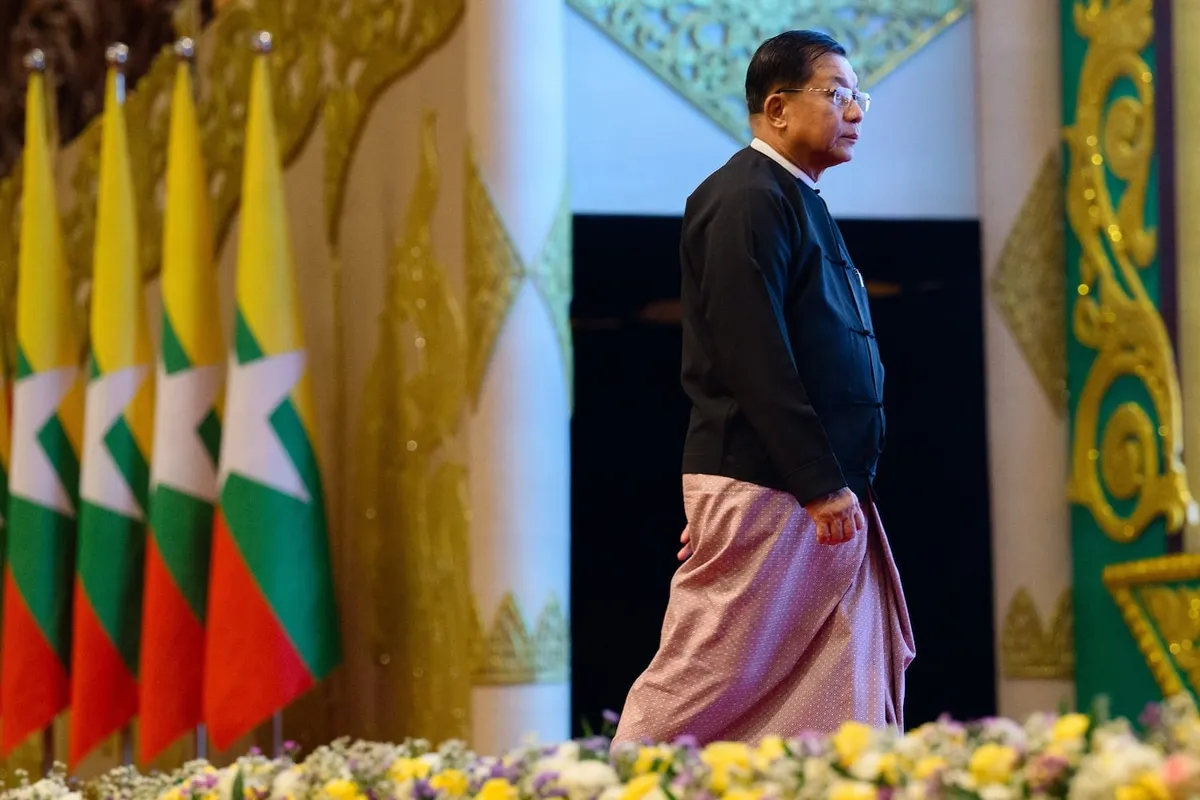
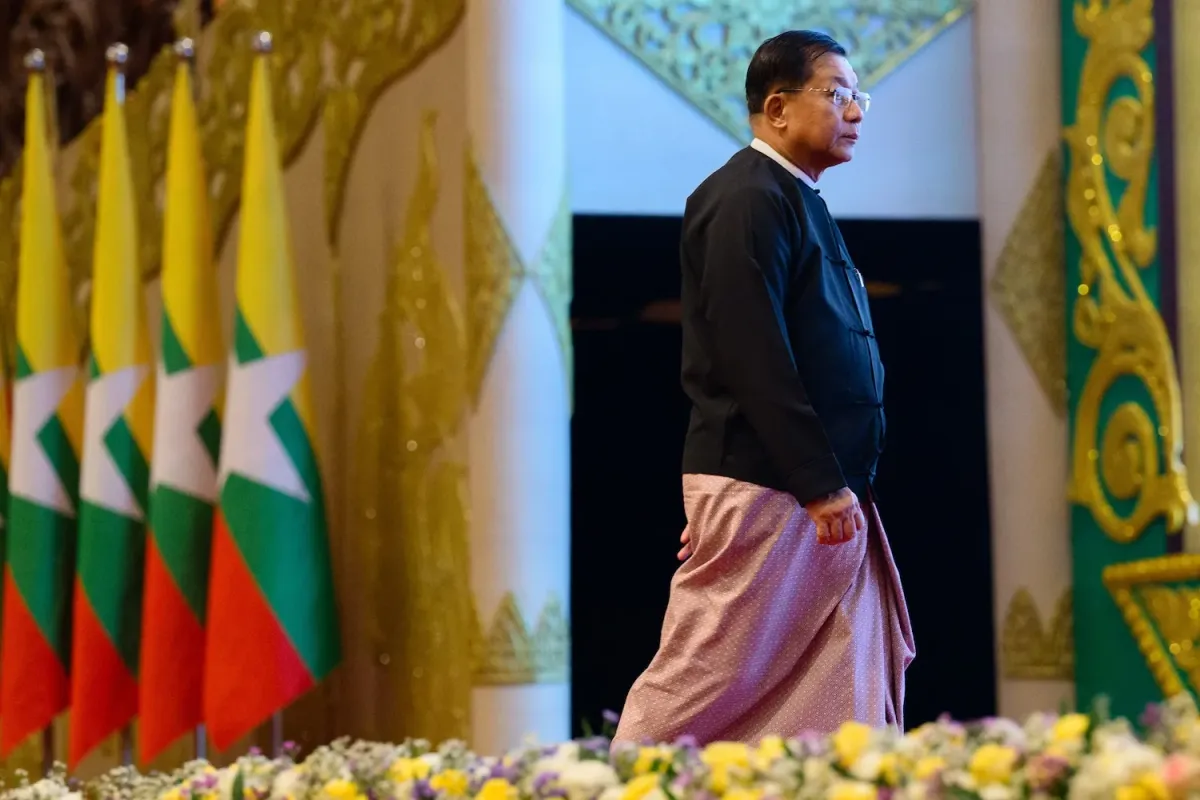
The official appointment of Min Aung Hlaing as Myanmar's president is intensifying debate within the Association of Southeast Asian Nations (ASEAN) over whether to normalize relations with the country's military-led government, according to reporting by Foreign Policy.
Min Aung Hlaing led the February 2021 coup that ousted the elected government of Aung San Suu Kyi, triggering widespread civil unrest, an armed resistance movement, and international condemnation. His formal elevation to the presidency marks a new phase in the junta's effort to consolidate political legitimacy at home and abroad.
Pressure within the bloc
ASEAN has long operated on principles of non-interference in members' internal affairs, but the Myanmar crisis has tested that consensus. The bloc suspended Myanmar's participation in high-level meetings following the coup and put forward a Five-Point Consensus peace plan - a framework that the military government has largely failed to implement.
Foreign Policy reports that Min Aung Hlaing's appointment is likely to accelerate a shift in thinking among some ASEAN member states, with certain governments increasingly willing to re-engage with Naypyidaw in the interest of regional stability and economic considerations.
Divided positions
Member states are not united on the question of reintegration. Countries such as Indonesia and Malaysia have historically pushed for a firmer stance, tying any normalization to progress on the peace plan and humanitarian access. Others, including Thailand and Cambodia, have shown greater openness to diplomatic engagement with the junta.
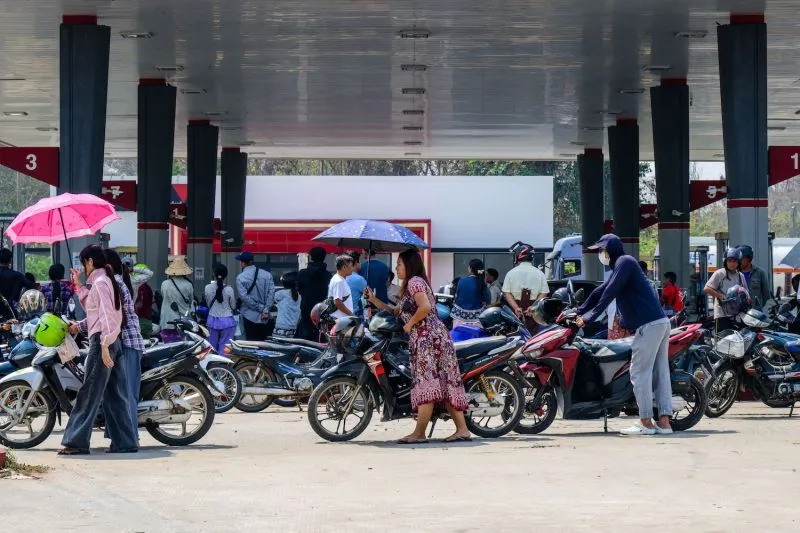
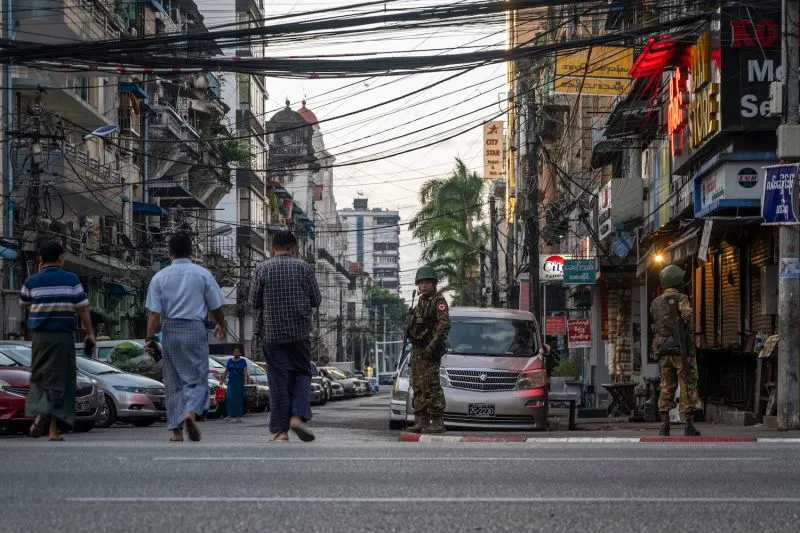
The conflict inside Myanmar continues to grind on, with resistance forces and ethnic armed organizations controlling significant portions of territory. Human rights organizations have documented widespread abuses by the military, including airstrikes on civilian areas and the displacement of millions of people.
International dimensions
Beyond ASEAN, Myanmar's military government has deepened ties with China and Russia, both of which have shielded it from stronger action at the United Nations Security Council. Western governments maintain targeted sanctions against junta leaders, including Min Aung Hlaing personally.
The question facing ASEAN is whether formal recognition of Min Aung Hlaing's role as president - however it arrived - creates a practical basis for renewed engagement, or whether doing so would undermine the bloc's stated commitment to a negotiated resolution of the crisis.
Foreign Policy suggests the appointment is a signal that the junta is moving to entrench its governance structures regardless of regional or international pressure, potentially forcing ASEAN members to choose between continued exclusion and a more pragmatic, if controversial, path back to dialogue.