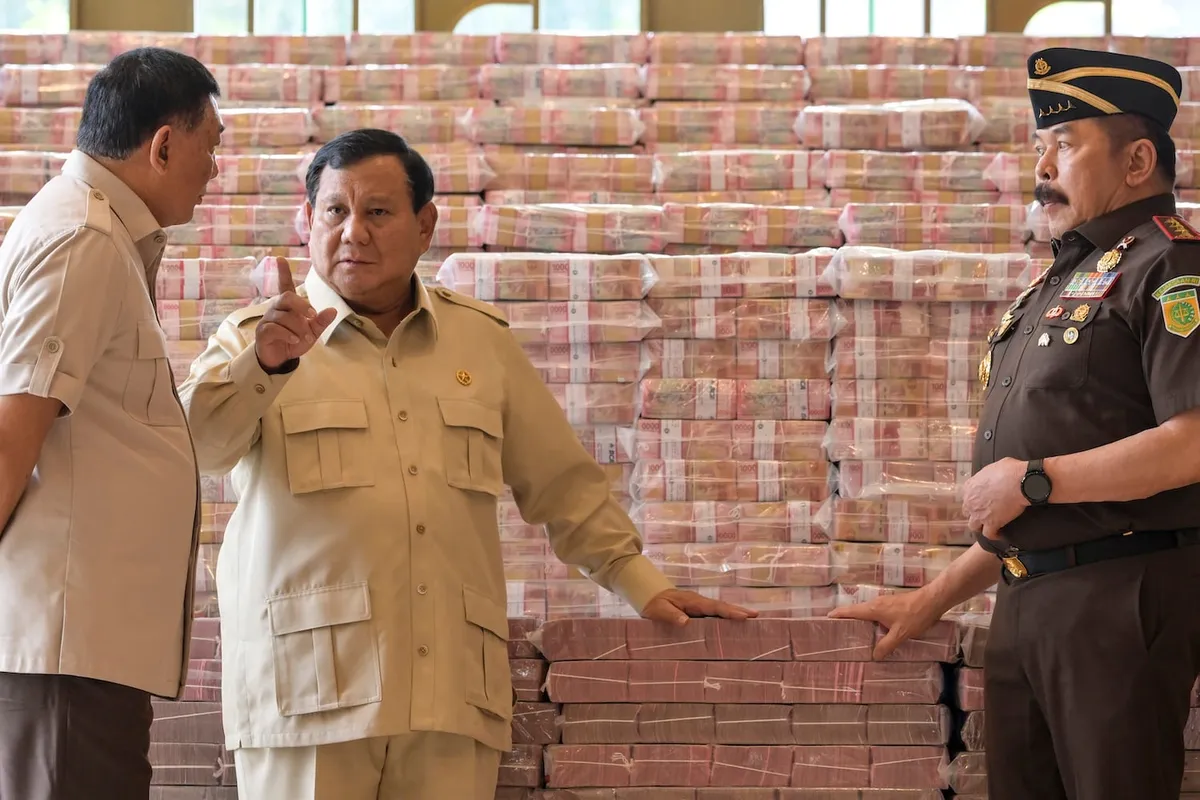
Indonesia, home to some of the world's most coveted natural resources, has decided it is done being the planet's bargain bin. Under President Prabowo Subianto, the archipelago nation is doubling down on economic nationalism - a policy push that aims to capture more value from its vast commodity wealth before it gets shipped off to foreign buyers. According to Foreign Policy, the move is already sending tremors through global commodity markets.
So what's actually happening?
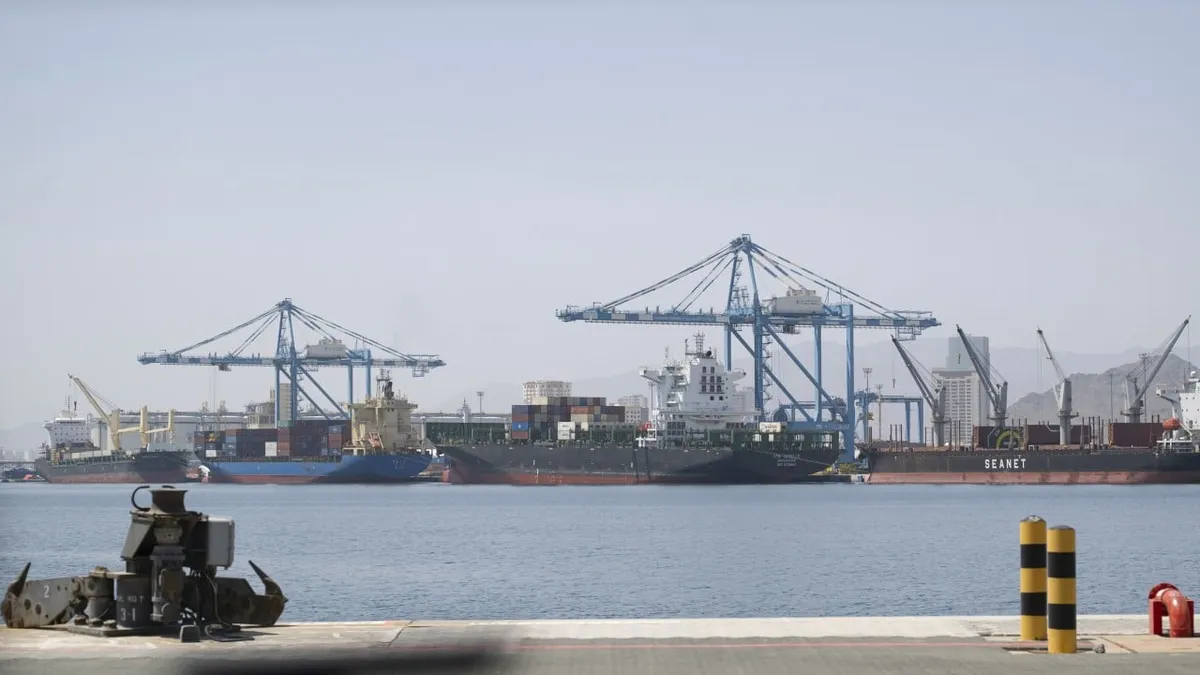
The Indonesian government, backed by the newly empowered sovereign wealth vehicle Danantara, is pushing to tighten state control over resource exports. Think nickel, palm oil, coal - the kind of stuff the global economy quietly depends on while pretending it doesn't. Indonesia is already the world's top nickel producer, which means any disruption to its export policies is less of a local story and more of a "everyone panic" situation for industries from electric vehicle batteries to stainless steel.
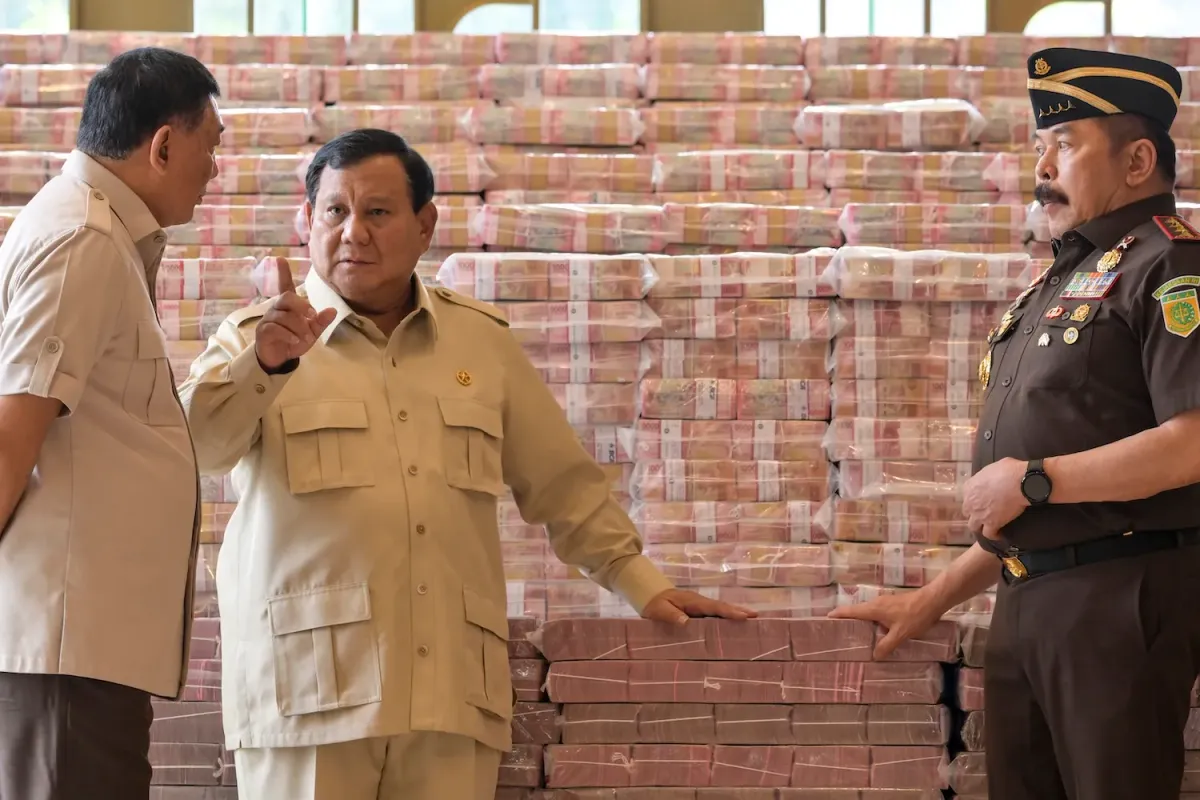
The approach echoes moves Indonesia made previously with raw nickel ore export bans, which forced foreign companies to build processing facilities domestically. Now, the ambition appears to be scaling that logic up across multiple sectors.
The messy part
Here's where it gets spicy. Foreign Policy reports that the rollout of these policies has been, to put it diplomatically, disorganized. Unclear regulations, shifting timelines, and bureaucratic growing pains are creating uncertainty for international investors and trading partners who need predictability the way a sourdough starter needs attention - constantly and desperately.
Danantara, the sovereign wealth fund set up to anchor this nationalist economic vision, has drawn both optimism and skepticism. Critics question whether the institutional capacity exists to manage such an ambitious agenda without scaring off the foreign capital Indonesia still needs to develop its resource infrastructure in the first place.
Why this matters beyond Indonesia
This isn't just a story about one country getting protective over its minerals. It's a signal of a broader trend where resource-rich developing nations are increasingly refusing to play by the old rules of raw commodity export. If Indonesia succeeds - or even partially succeeds - it could embolden similar moves elsewhere, reshaping supply chains that global manufacturers have taken for granted for decades.
For now, commodity traders, EV manufacturers, and assorted foreign governments are watching closely, probably with varying degrees of indigestion. Indonesia has the leverage. Whether it has the execution capacity to match its ambition is the question that will define the Prabowo era's economic legacy.