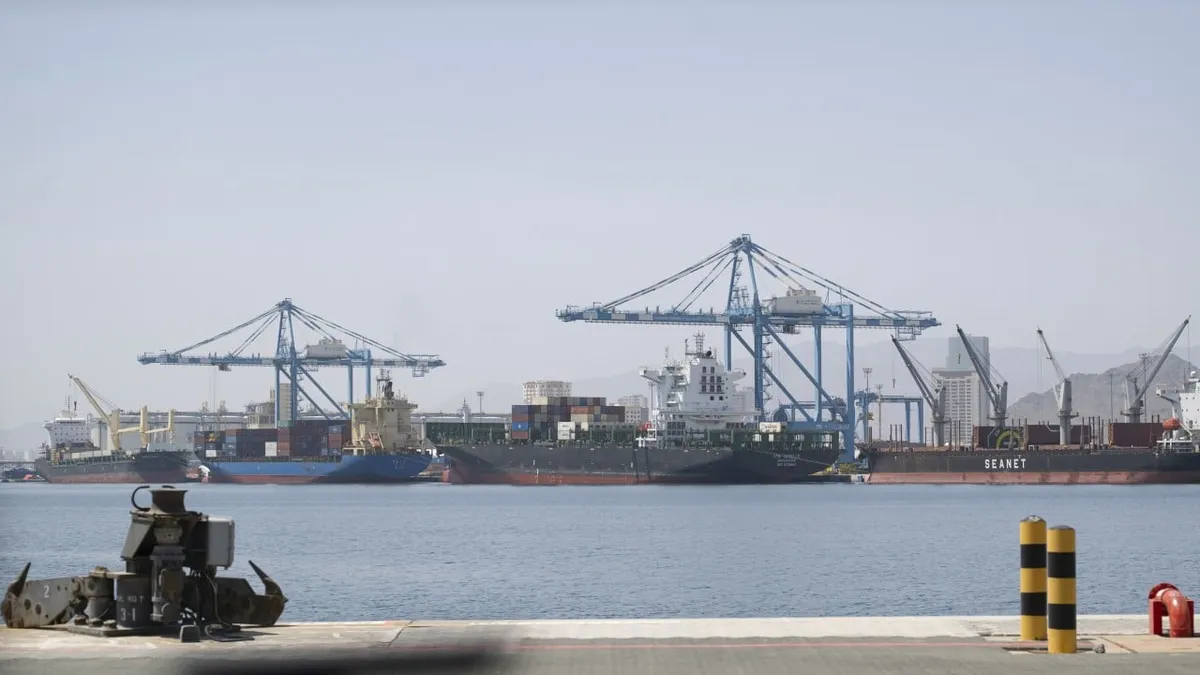
Picture the world's most stressful game of Pipe Dream: billions of dollars in oil, nowhere safe to ship it, and a bunch of governments suddenly very motivated to dust off proposals that have been gathering dust since the 1980s. That is more or less the situation in the Middle East right now, according to a report by the South China Morning Post.
What is actually going on
Middle Eastern governments are urgently reviving old overland pipeline proposals and drawing up brand-new rail-and-sea transport corridors. The goal is simple: stop being so dangerously dependent on the Strait of Hormuz and the Red Sea, two waterways that have become increasingly risky during the ongoing conflict involving the US-Israel alliance and the Iran-led Axis of Resistance.
Both the Strait of Hormuz and the Red Sea are critical arteries for global energy and trade flows. When they get disrupted - through military threats, Houthi drone strikes, or the general chaos of regional conflict - the ripple effects hit everything from petrol prices to the cost of your online shopping delivery.
Why now, though?
The uncomfortable truth is that these proposals are not new. Regional planners have floated overland pipeline and rail alternatives for decades, but the economic and political momentum to actually build them never quite materialised - largely because, until recently, shipping through Hormuz was cheap, reliable, and nobody wanted to pay for expensive infrastructure when things were working fine.
Wartime disruption has a wonderful way of changing that calculus. According to the SCMP report, the threats to these shipping lanes are expected to persist even after the current conflict winds down, which means governments can no longer treat resilience as a tomorrow problem.
What the alternatives actually look like
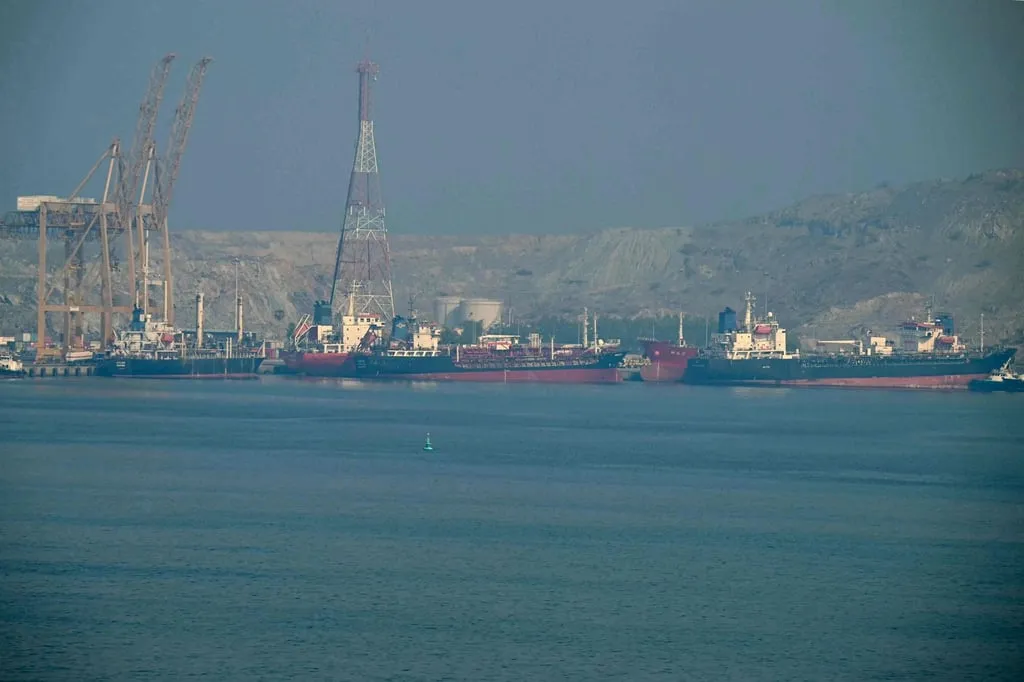
The proposals on the table reportedly include new rail corridors combined with sea links - essentially hybrid routes that reduce dependence on any single maritime chokepoint. Older pipeline proposals that would carry oil overland across the Arabian Peninsula are also getting a second look.
Think of it less as innovation and more as the region collectively saying: 'Okay, fine, we probably should have done this ages ago.'
The bigger picture
This scramble for logistics resilience is part of a broader pattern emerging from the multifront conflict. Infrastructure that was once considered safely peripheral to geopolitical risk has suddenly become a frontline concern. Whether these corridors actually get built - given the funding, political coordination, and sheer engineering effort required - remains to be seen. But the urgency, at least, appears to finally be real.
For now, the world's energy markets are watching a region that built its entire economic model around two waterways suddenly realise that having a backup plan might have been a good idea.