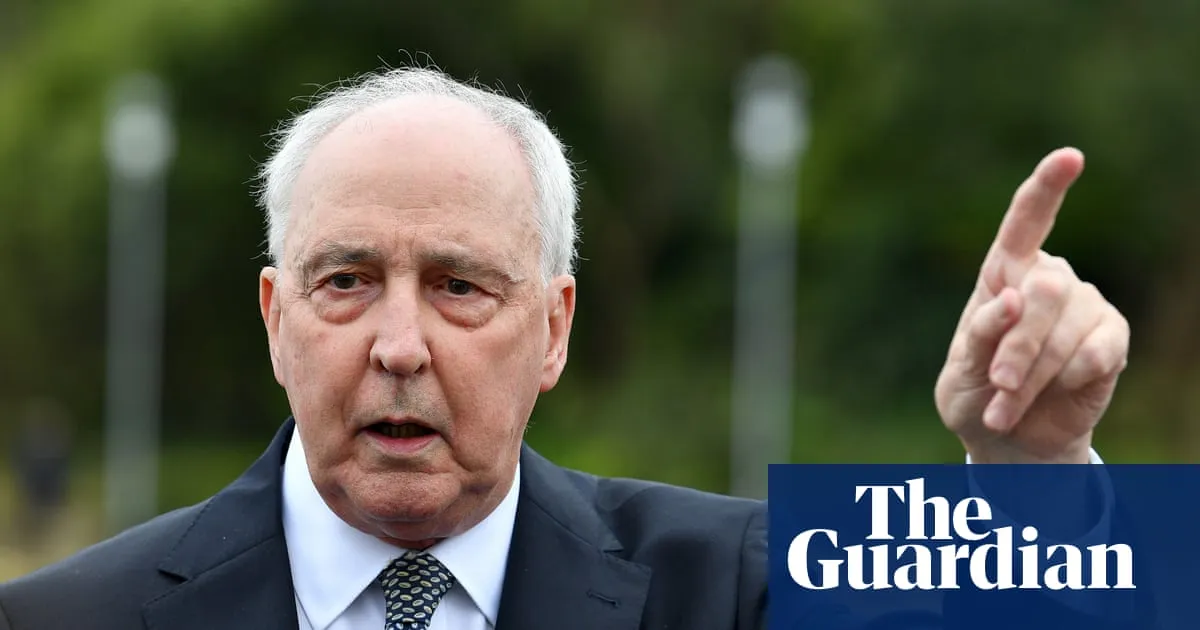
Australia's most opinionated retired politician is back, and this time he's got a message for the Albanese government: don't blink on capital gains tax.
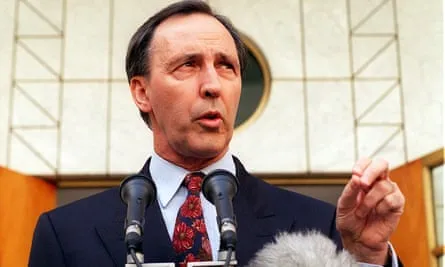
Paul Keating, the former prime minister who practically invented modern Australian economic policy and never lets anyone forget it, has urged Labor to hold firm on its controversial plan to overhaul the capital gains tax discount system, according to an exclusive report in The Guardian.
What's actually being proposed here?
The Albanese government wants to ditch the current 50% capital gains tax discount in favour of an inflation-based model. The idea is that instead of automatically halving your taxable capital gain regardless of how long you held the asset, the new system would only discount the portion of your gain that reflects inflation. In theory, this is more economically rational. In practice, it has sent small business groups and the start-up sector absolutely feral.
Business advocates are pushing hard for commercial assets to be carved out from the changes entirely, arguing that the reforms would kneecap investment and entrepreneurial activity across the economy.
Keating's verdict: calm down, everyone
Keating is not impressed by the panic. According to The Guardian, he told Labor that the proposed changes are "so marginal that no entrepreneurial initiative is likely to be thwarted" - which, translated from Keating-speak, basically means "this is nothing, stop being dramatic."
He also warned that creating exemptions for commercial assets would actually make things worse, arguing it would further "distort" the economy rather than protect it. Coming from the man who floated the Australian dollar and deregulated the banking sector, that's a fairly pointed assessment.
The political pickle
Labor finds itself in a classic reform squeeze. The economic logic behind moving to an inflation-adjusted model is reasonably solid - it targets genuine real gains rather than paper gains inflated by time - but the political optics of touching CGT during a cost-of-living crisis, while also asking small business owners and start-up founders to absorb more tax complexity, is a genuinely uncomfortable place to be.
Whether Anthony Albanese and Treasurer Jim Chalmers take Keating's advice and hold the line, or quietly carve out exemptions to buy some political peace, remains to be seen. But if history is any guide, when Keating calls something marginal and tells you not to flinch, you at least have to consider that the old Treasurer might know what he's talking about.
The political fight over these changes is ongoing, with business groups continuing to lobby hard against the reforms as reported by The Guardian.