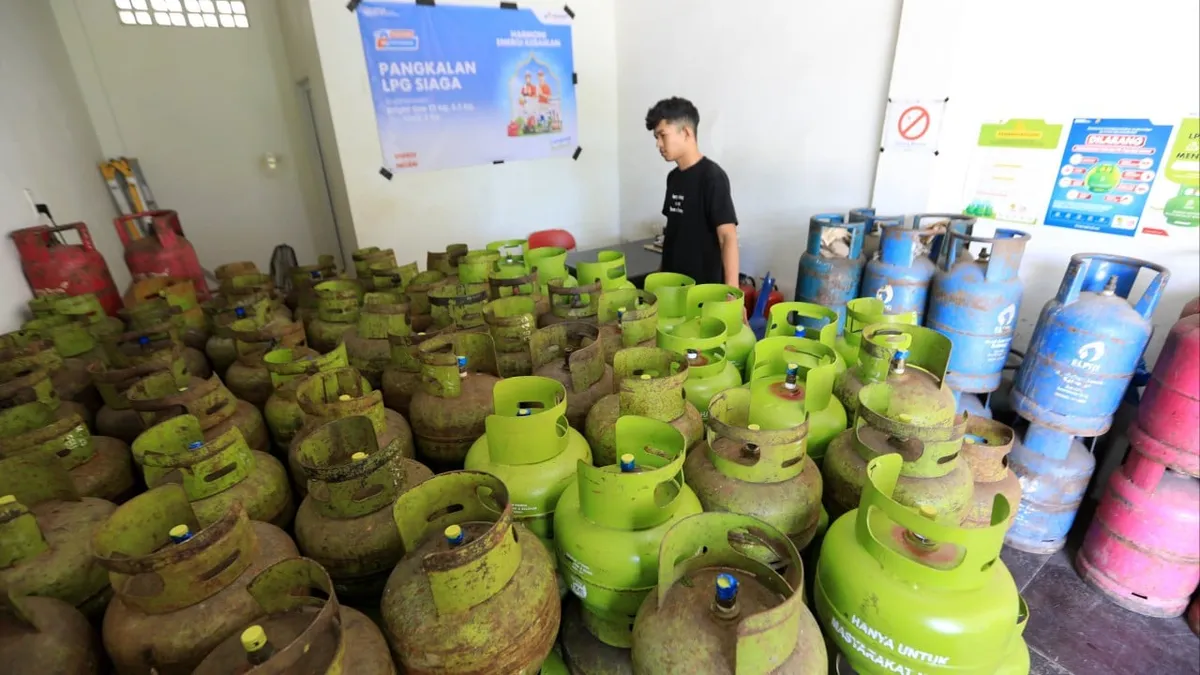
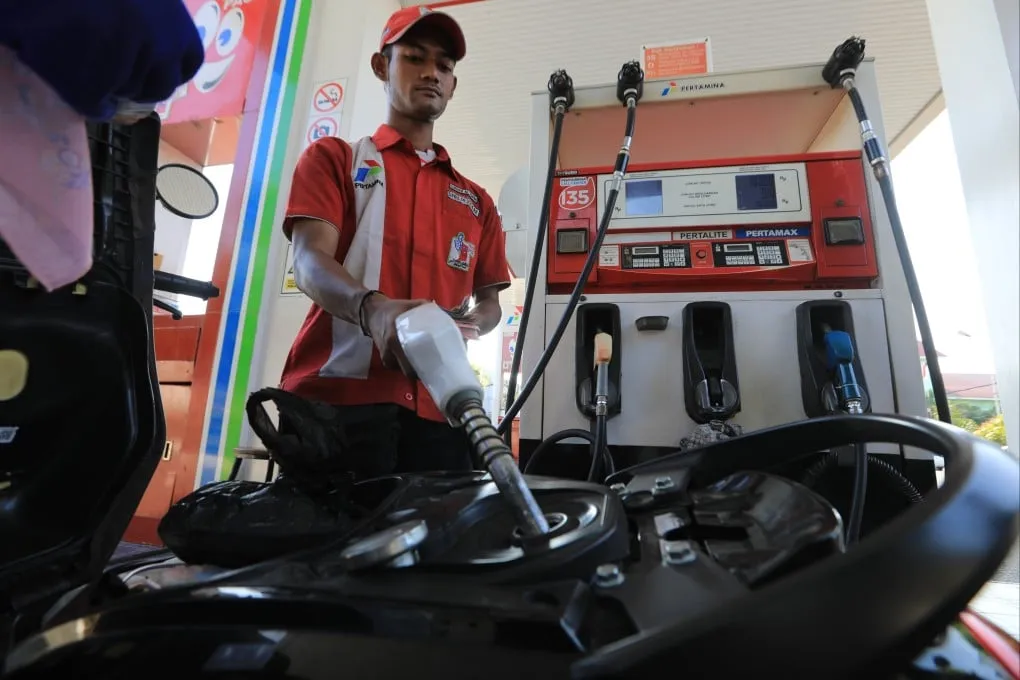
Indonesia's decision to raise prices on some non-subsidised fuel products is raising concerns among economists that more households will shift toward cheaper, state-subsidised grades, potentially squeezing supplies and adding pressure to an already strained national budget, according to reporting by the South China Morning Post.
State energy company Pertamina implemented the price increases in response to rising global crude oil costs. However, the move has highlighted the difficult position the Indonesian government faces in managing energy policy: allowing market-priced fuels to adjust with global conditions while protecting lower-income consumers through subsidised alternatives.
The subsidy balancing act
Economists cited in the report warn that when non-subsidised fuel becomes notably more expensive, a predictable behavioural shift occurs. Consumers who previously purchased higher-grade, market-priced fuel are likely to migrate toward subsidised products, increasing demand for those grades beyond what budget planners anticipated.
Such a shift would carry two significant consequences. First, it risks depleting supplies of subsidised fuel more quickly, potentially creating shortages for the lower-income households the subsidy system is designed to protect. Second, it would increase the government's subsidy expenditure at a time when Jakarta is already working to control politically sensitive energy costs.
A politically charged issue
Energy subsidies remain deeply political in Indonesia, the world's fourth most populous country. Past attempts to reduce or restructure fuel subsidies have triggered public protests. The government has historically moved cautiously on this issue, aware that fuel prices directly affect the daily cost of living for millions of Indonesians.
Pertamina's price adjustment for non-subsidised products reflects broader pressures from global energy markets, where crude oil costs have fluctuated significantly. The company's pricing decisions on market-rate fuels are more directly tied to those international benchmarks than subsidised grades, which are protected by government policy.
Budget implications
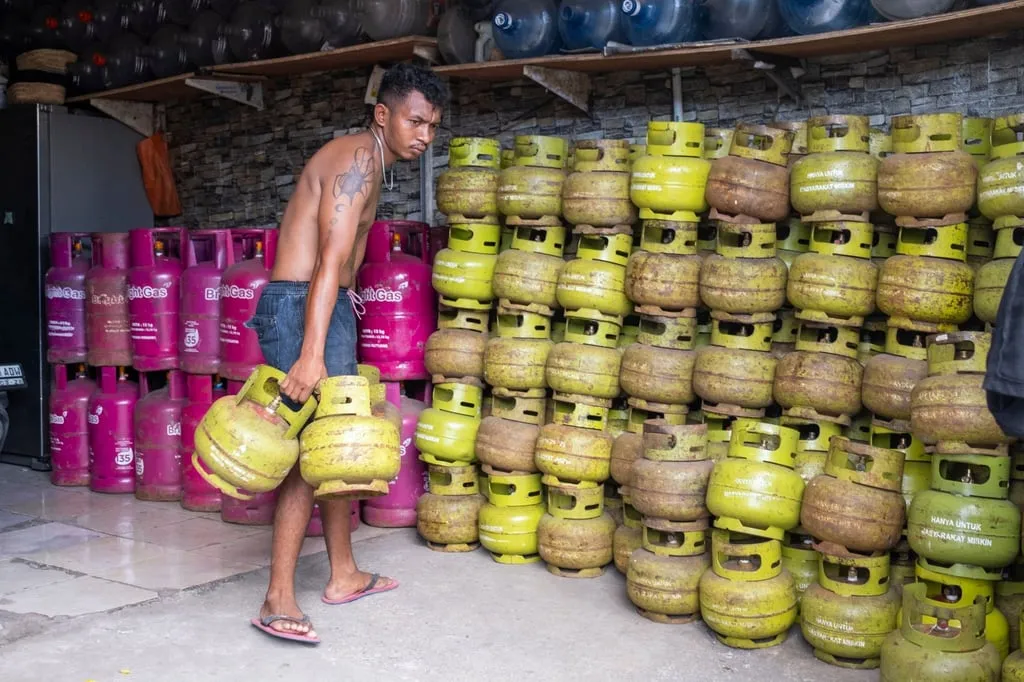
Indonesia's state budget has faced ongoing pressure to contain energy subsidy costs. An unexpected surge in demand for subsidised fuel, driven by consumers trading down from pricier alternatives, could complicate fiscal planning and force the government to either increase subsidy allocations or risk supply shortfalls.
The situation underscores a structural challenge common to many emerging economies that maintain dual-tier fuel pricing systems. While such systems are designed to protect vulnerable populations, they can create unintended market distortions when the price gap between subsidised and non-subsidised products widens significantly.
The Indonesian government has not announced immediate changes to its subsidised fuel pricing or allocation policies in response to the current situation, according to available reporting.