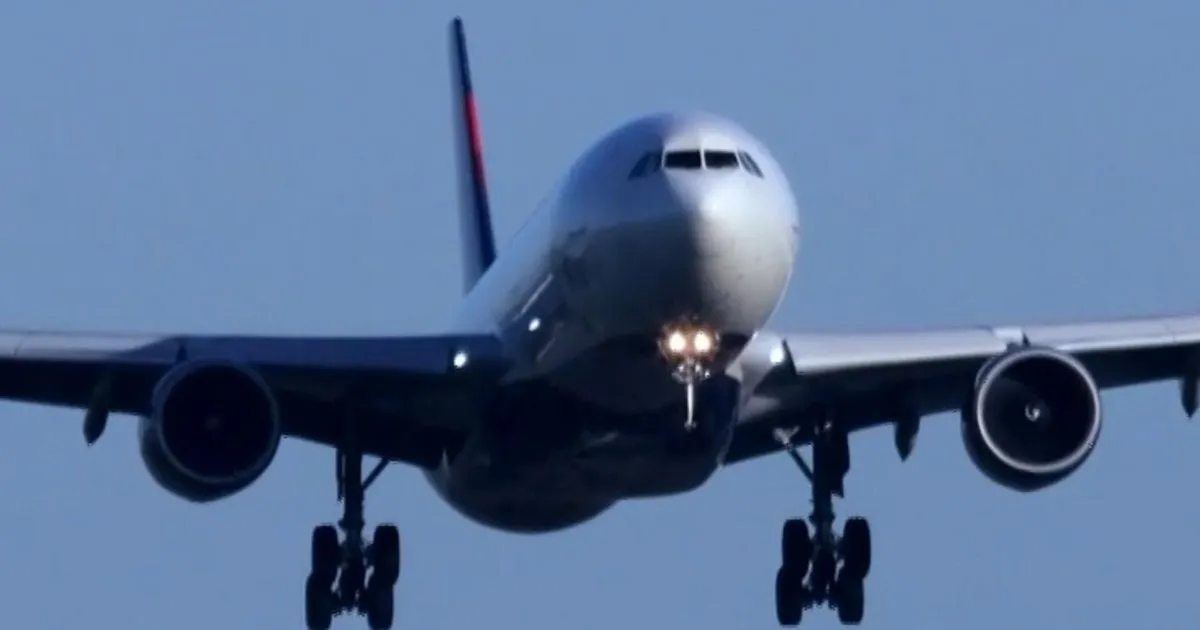
International travelers planning summer trips to Europe may face higher airfares and potential flight disruptions as a global jet fuel shortage threatens to squeeze airline operations, according to a warning from the International Energy Agency.
The IEA has cautioned that Europe could be approximately six weeks away from a serious deficit in jet fuel supply, CBS News reported. The agency attributed the emerging shortfall to supply chain disruptions connected to the ongoing conflict in Iran, which has unsettled energy markets and complicated the movement of refined petroleum products.
What is driving the shortage
Jet fuel, also known as aviation turbine fuel, relies on complex international supply chains that are particularly sensitive to geopolitical instability in key energy-producing regions. Disruptions stemming from the Iran conflict have created bottlenecks that analysts say could limit the availability of fuel at European airports during one of the busiest travel periods of the year.
The summer months represent peak demand for aviation fuel across Europe, with airlines operating at or near maximum capacity to meet vacation and leisure travel demand. A supply crunch arriving at that moment would carry significant consequences for carriers already managing tight margins.
Impact on travelers and airlines
For consumers, the most immediate effect of a jet fuel shortage would likely be felt in ticket prices. Airlines typically pass higher operating costs on to passengers through fuel surcharges and elevated base fares. In periods of acute shortage, carriers may also be forced to reduce the number of flights they operate, limiting seat availability.
CBS News correspondent Kris Van Cleave reported on the potential for significant turbulence in summer travel plans, particularly for Americans flying transatlantic routes to European destinations.
Broader energy market context
The warning from the IEA comes amid already elevated energy prices across global markets. Jet fuel prices have remained volatile in recent months, placing sustained financial pressure on airlines that have only recently returned to profitability following years of pandemic-related losses.
It remains unclear what contingency measures European governments or airline industry groups are considering in response to the IEA's assessment. Energy agencies and aviation regulators have not yet publicly outlined emergency supply protocols.
Travelers are advised to monitor airline communications and consider travel insurance options ahead of planned summer departures, as the situation in global energy markets continues to develop.