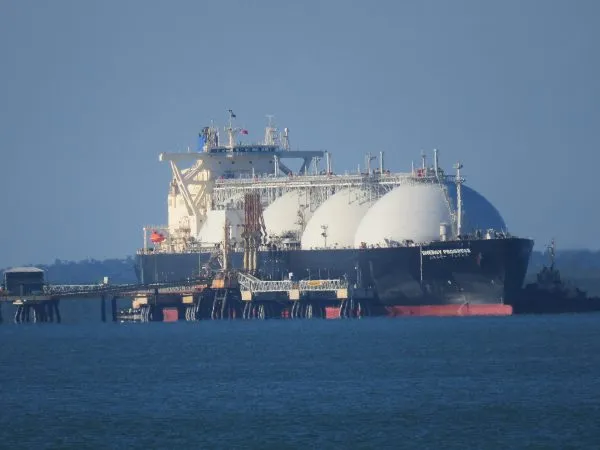
Japanese Prime Minister Sanae Takaichi is expected to confront a politically sensitive energy dispute when she travels to Australia, as Tokyo grows increasingly anxious over proposals to impose a new tax on Australian liquefied natural gas exports, according to reporting by The Diplomat.
Japan is Australia's largest gas customer, making the potential levy a matter of significant economic and strategic concern for Tokyo. Any additional cost burden on LNG exports could affect long-term supply contracts and energy pricing across Japan, which remains heavily dependent on imported fossil fuels following the 2011 Fukushima disaster and the subsequent shutdown of much of its nuclear capacity.
A tax with wide implications
Calls within Australia for a new gas export tax have gained momentum, driven partly by domestic concerns that Australian consumers and industries are not adequately benefiting from the country's vast gas reserves while large volumes are shipped abroad. Proponents argue that a levy would generate public revenue and help fund domestic energy needs.
For Japan, however, such a tax threatens to raise the cost of energy imports at a time when the country is already navigating global price volatility. Japanese officials have signaled alarm, viewing stable and affordable LNG supplies from Australia as a cornerstone of the country's energy security strategy.
Renewables gaining ground across Asia
The dispute unfolds against a broader shift in regional energy thinking. The Diplomat's reporting notes that leaders elsewhere in Asia are increasingly viewing renewable energy investment as a means of reducing dependence on volatile fossil fuel supply chains.
Countries across the region are accelerating solar, wind, and battery storage projects in part to insulate their economies from the kind of price shocks and geopolitical uncertainty that have characterized global gas markets in recent years, particularly since Russia's invasion of Ukraine disrupted European energy flows and sent ripple effects through global LNG demand.
Japan itself has set long-term decarbonization targets, but its near-term energy mix continues to rely substantially on gas imports, creating tension between climate commitments and immediate supply security concerns.
Diplomatic stakes
The Australian visit places Takaichi in a delicate position, as Japan must balance its close alliance with Canberra - a key security and trade partner - against the need to protect Japanese industry and consumers from potential cost increases.
How Australia's government responds to both domestic pressure for a gas tax and Japanese concerns over supply affordability could shape bilateral energy relations for years to come, at a moment when the Asia-Pacific region is undergoing a significant transition in how it sources and prices energy.