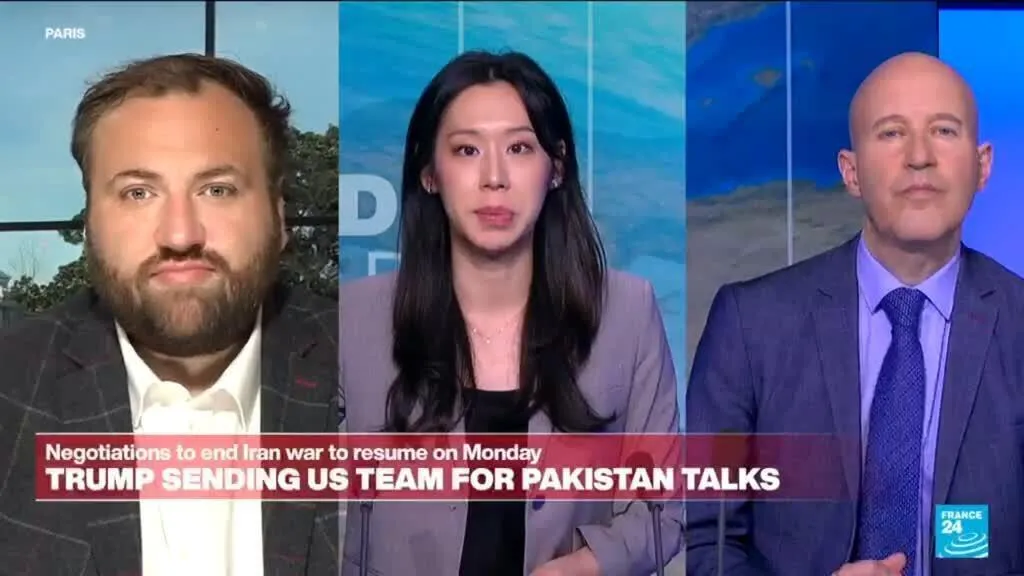
Iran has indicated it does not plan to participate in the next round of nuclear negotiations with the United States, even as Washington confirmed it would send a delegation to Islamabad on Monday, according to Iranian state television, as reported by France 24.
The development marks a setback in diplomatic efforts to reach a new agreement over Iran's nuclear program, with the two sides appearing to disagree on the terms or timing of continued engagement.
US presses ahead with Islamabad trip
President Donald Trump confirmed that a US negotiating team would travel to Pakistan's capital on Monday, signaling Washington's intention to keep the diplomatic process moving. The Islamabad meeting had been presented as part of an ongoing series of indirect talks aimed at curbing Iran's nuclear activities in exchange for sanctions relief.
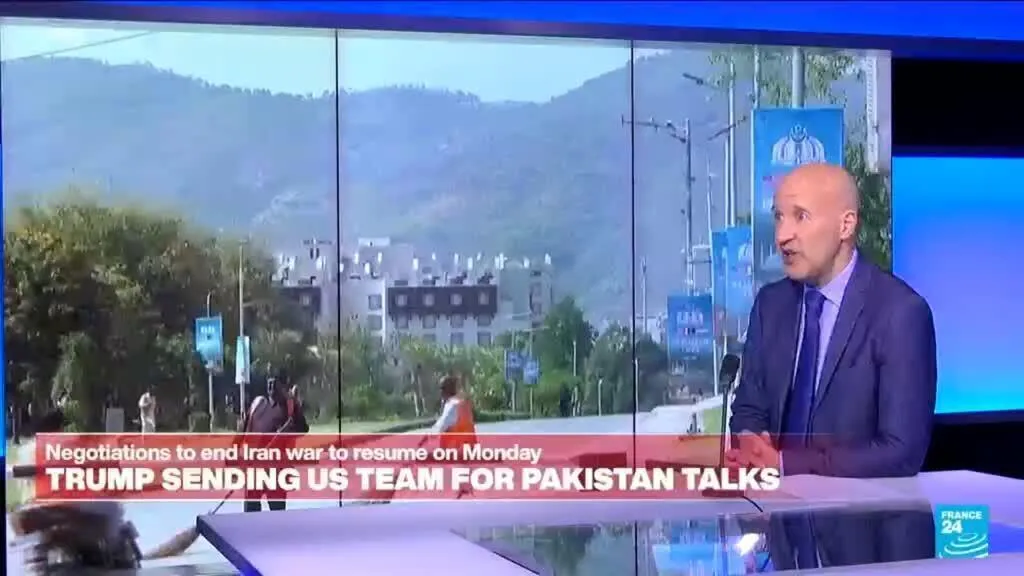
It is not immediately clear from available reporting whether the US delegation intends to proceed with meetings in Islamabad even without Iranian participation, or whether the trip's purpose would shift in light of Tehran's refusal.
Tehran signals reluctance
Iranian state television reported Sunday that Iran is not currently planning to attend the upcoming round of discussions. The report did not provide a detailed explanation for the decision, and Iranian officials had not issued a formal public statement on the matter at the time of reporting.
The announcement adds uncertainty to a diplomatic process that had shown signs of cautious progress. Earlier rounds of indirect talks, held with Omani mediation, were described by both sides as constructive, though significant gaps remain over core issues including the extent of uranium enrichment Iran would be permitted to continue and the pace at which US sanctions would be lifted.
Background
Negotiations between Washington and Tehran have been fragile since the United States withdrew from the 2015 Joint Comprehensive Plan of Action - the landmark nuclear deal - during Trump's first term in office. Iran subsequently expanded its nuclear activities well beyond the limits set by that agreement.
The Biden administration attempted to revive the deal without success. Trump, now in his second term, has pursued a dual-track approach of applying economic pressure through sanctions while pursuing direct and indirect diplomatic contacts.
Iran has repeatedly stated that it will not negotiate under conditions it describes as coercive, while US officials have insisted that any agreement must result in a verifiable end to Iran's capacity to develop nuclear weapons.
Further details on both governments' positions are expected in the coming days as the scheduled Monday delegation trip approaches.