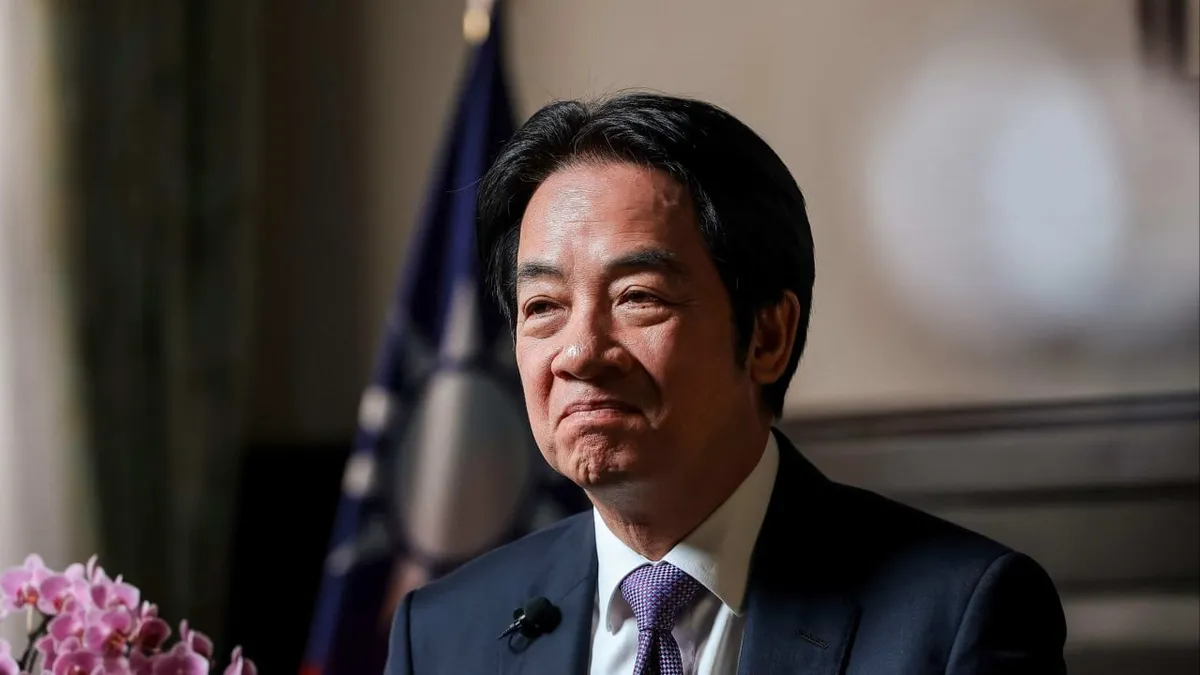
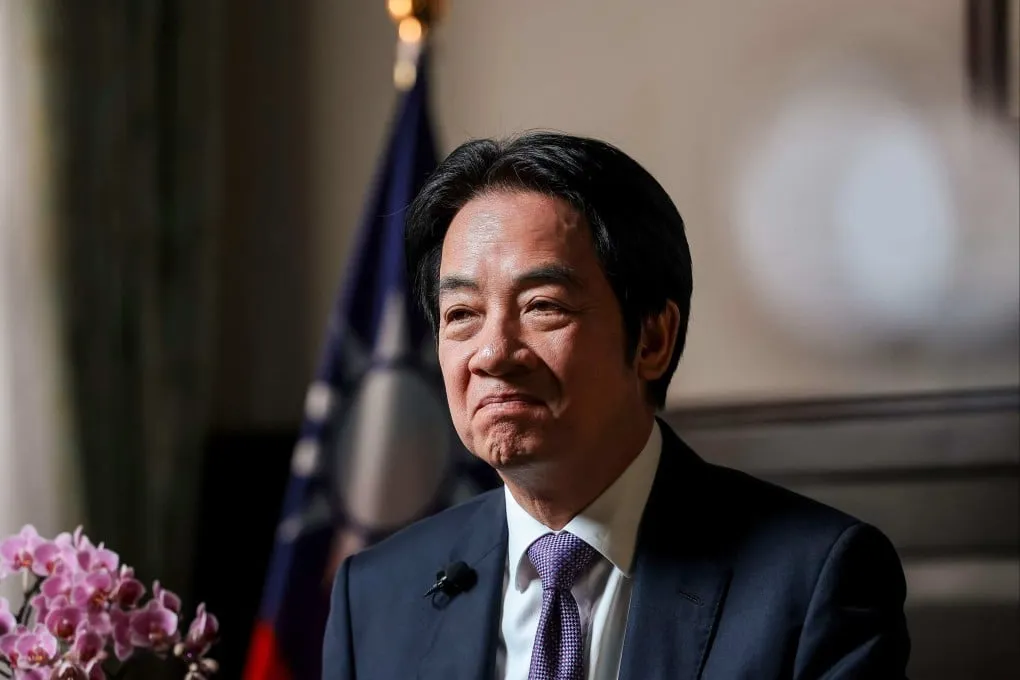
The United States has sharply criticized China after several African nations revoked overflight clearances for Taiwan's leader, William Lai Ching-te, preventing him from traveling to eSwatini, one of Taiwan's few remaining diplomatic allies.
The US State Department said Wednesday it was deeply concerned by the incident, describing it as an abuse of the international civil aviation system, according to the South China Morning Post.
Taiwan said the Seychelles, Mauritius, and Madagascar each unilaterally withdrew permission for Lai's aircraft to cross airspace under their jurisdiction. Taipei attributed the move to pressure from Beijing.
A first of its kind
The episode marks the first known instance in which countries have revoked overflight clearances for a sitting Taiwanese leader under such circumstances. The incident drew immediate attention from Washington, which has long maintained informal ties with Taiwan despite not recognizing it as a sovereign state.
eSwatini, the small landlocked kingdom in southern Africa, is one of only a handful of nations that maintains formal diplomatic relations with Taiwan. China, which claims Taiwan as part of its territory, has worked for decades to reduce that number by persuading countries to switch recognition to Beijing.
Competing claims and diplomatic pressure
The incident illustrates the ongoing diplomatic contest between Beijing and Taipei for influence, particularly across Africa, where China has made substantial infrastructure investments in recent years. The three nations that revoked the clearances - the Seychelles, Mauritius, and Madagascar - all maintain formal ties with China rather than Taiwan.
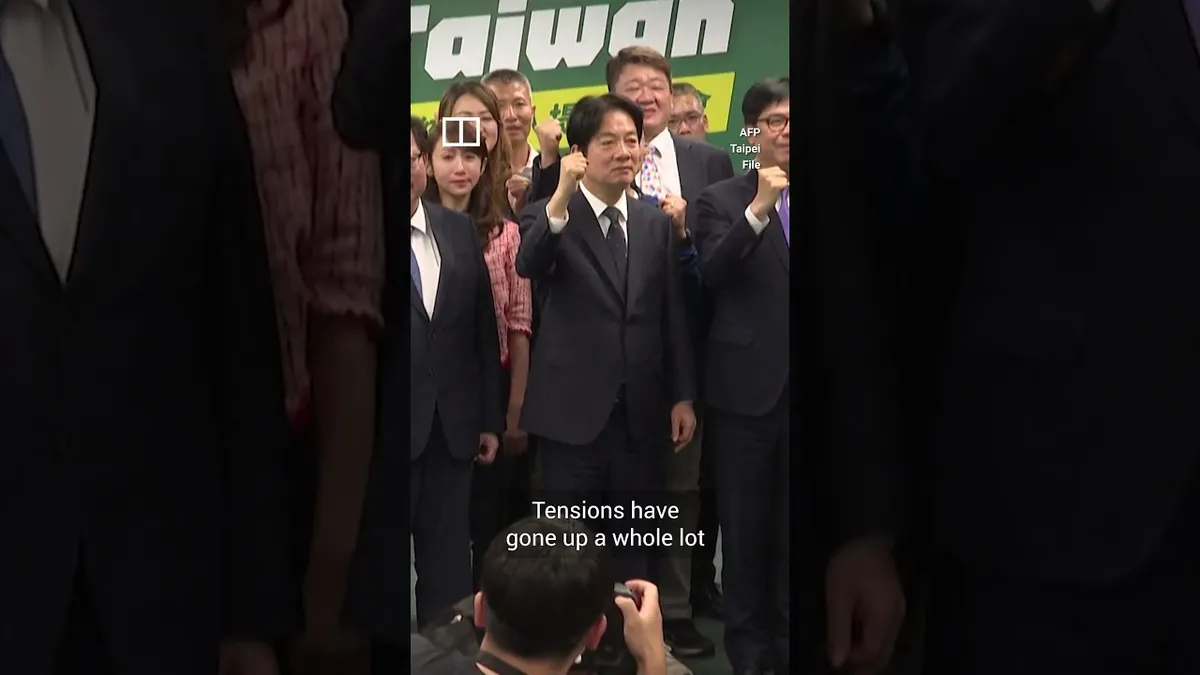
Beijing has not publicly commented on the specific allegations that it pressured those governments to withdraw the overflight permits. China has consistently opposed any international activities that it views as conferring legitimacy on Taiwan's government.
Taiwan's government confirmed the permits were revoked without prior warning or explanation from the countries involved, leaving officials to reroute or reschedule the trip.
Washington's response
The State Department's characterization of the episode as an abuse of civil aviation norms signals that the US views the incident not merely as a bilateral dispute between China and Taiwan, but as a broader threat to established international frameworks governing air travel and diplomatic mobility.
The situation adds further tension to already strained US-China relations, with Taiwan remaining one of the most sensitive flashpoints between the two powers.