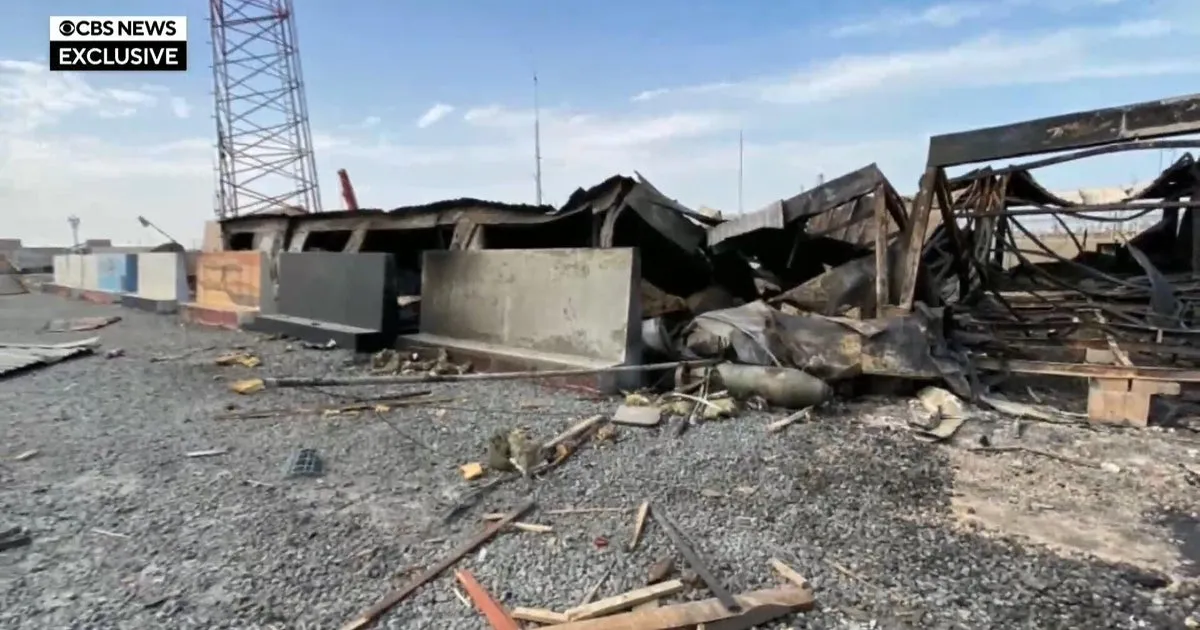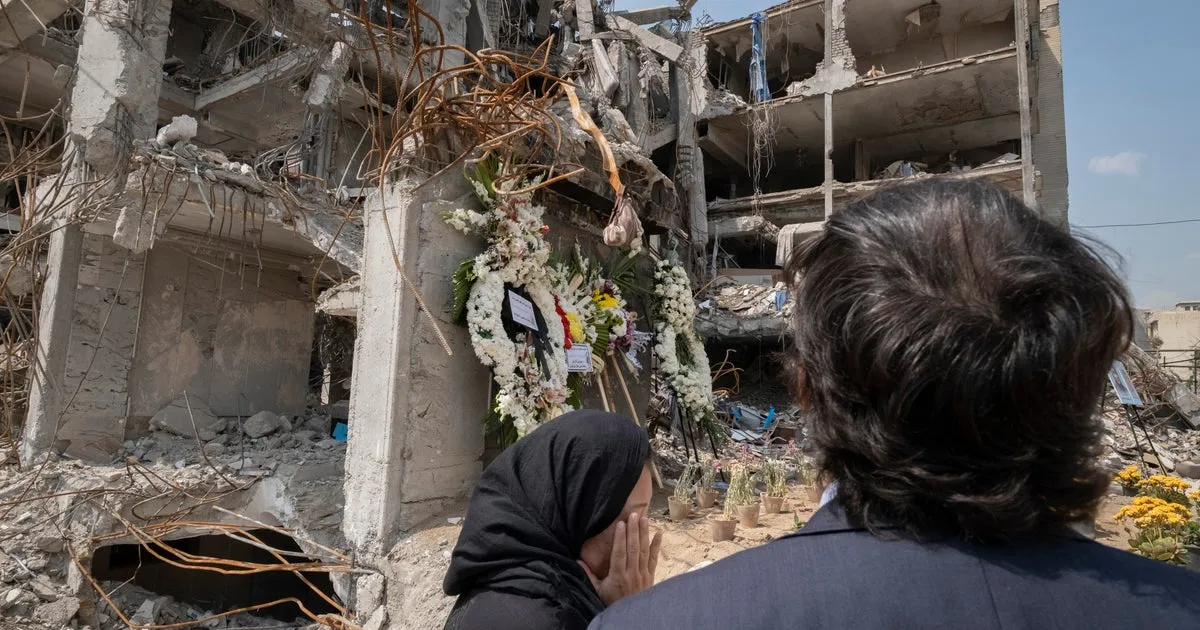
Iran has declared it has no current plans to participate in peace negotiations with the United States, escalating a diplomatic standoff that is already sending ripples through global oil and energy markets, according to CBS News.
The announcement comes as tensions mount over the Strait of Hormuz, the narrow waterway through which a significant share of the world's oil supply passes. The standoff has prompted fresh anxiety among traders and governments that a broader conflict could reignite in the region.
Tehran pushes back on Trump's demands
Iranian officials have balked at conditions put forward by the Trump administration as prerequisites for any potential peace deal. The specific terms of those demands have not been fully disclosed publicly, but Tehran's rejection signals a significant breakdown in diplomatic momentum between the two countries.
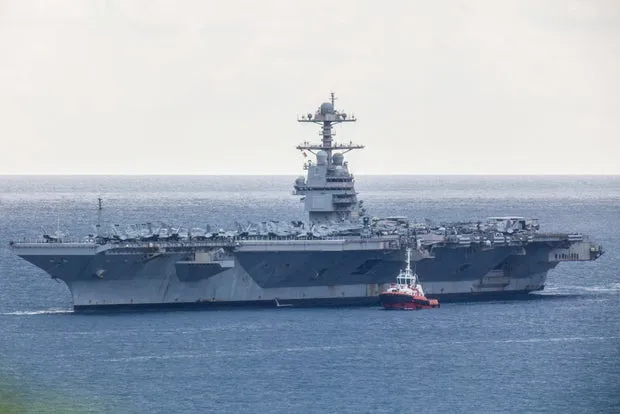
Iran's position represents a hardening of its stance at a moment when the risk of military confrontation in the Persian Gulf remains a central concern for international observers and energy-dependent economies alike.
Maritime tensions and the Touska seizure
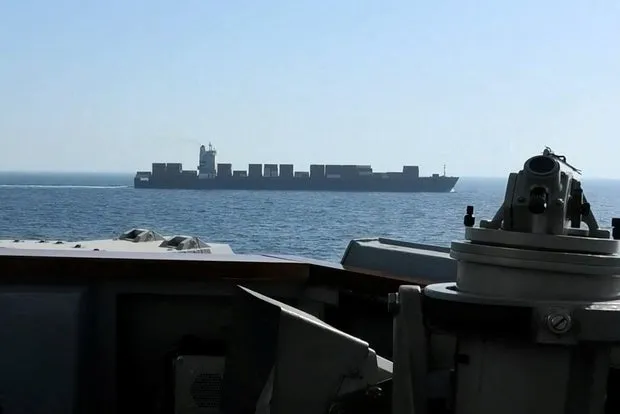
Adding to the volatility, reports indicate that a ship identified as the Touska was seized amid the ongoing standoff, further inflaming the situation in and around the Strait of Hormuz. Details regarding the circumstances of the seizure and which parties were involved remained under review at the time of reporting, per CBS News.
The Strait of Hormuz is one of the world's most strategically critical chokepoints. Roughly 20 percent of global petroleum liquids transit the strait, meaning any disruption - or perceived threat of disruption - tends to have immediate and pronounced effects on international energy prices.
Markets respond to conflict risk
Fear that hostilities could escalate has already begun to register in oil and energy markets. Traders have grown increasingly attentive to developments in the region, with the prospect of interrupted supply flows driving uncertainty in commodity pricing.
Analysts have long warned that any sustained military engagement near the strait could trigger significant economic consequences well beyond the Middle East, affecting fuel costs and supply chains globally.
Diplomatic outlook uncertain
With Iran's refusal to engage in talks and no clear pathway to de-escalation visible at this stage, the diplomatic outlook between Washington and Tehran remains deeply uncertain. Both governments have yet to indicate what conditions, if any, might bring them back to the negotiating table.
The situation continues to develop, and CBS News has been providing live updates on the unfolding events.