A fragile ceasefire in the Middle East came under significant pressure over the weekend after Iran threatened to retaliate following the seizure of one of its vessels by US Marines, according to reporting by the Guardian.
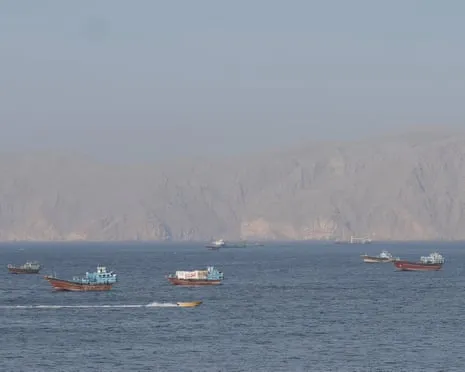
President Donald Trump confirmed on Sunday that US Marines had taken custody of a ship that allegedly attempted to breach an American blockade on Iranian ports. The announcement triggered a sharp response from Tehran, which accused Washington of violating the terms of the ceasefire.
Iranian state media reported that the country has "no plans to participate" in any new round of negotiations, a statement that signals a sharp deterioration in diplomatic prospects between the two nations. The seizure of the vessel appears to have become a flashpoint in an already volatile regional situation.
Diplomatic fallout
The collapse of planned talks represents a significant setback for efforts to stabilize the region. Iran's accusation that the ship seizure constitutes a ceasefire violation places the US and Iran in direct dispute over the terms and boundaries of any existing agreements, though the specific details of those arrangements were not fully outlined in the available source material.
The maritime confrontation adds a new dimension to an already complex regional conflict, raising concerns among international observers about the potential for further escalation.
Bahrain tightens internal security
Separately, Bahrain's King Hamad bin Isa Al Khalifa has ordered a review of citizenship for individuals deemed a threat to the island kingdom, according to the state-run Bahrain News Agency. The move is part of what appears to be an intensified crackdown on internal dissent occurring amid the broader regional conflict.
The citizenship review order reflects how the wider conflict is reshaping domestic politics across the Gulf, with governments using the heightened security environment to justify tighter controls over political opposition and civil society.
Regional instability deepens
The combination of the US-Iran maritime standoff, the breakdown in diplomatic communications, and Bahrain's internal security measures illustrates the widening scope of instability across the Middle East. Analysts and governments in the region face growing uncertainty as the multiple strands of the conflict interact in unpredictable ways.
The situation remains fluid, with no confirmed timeline for resumed talks between Tehran and Washington and the status of the seized vessel still a point of active contention between the two governments.