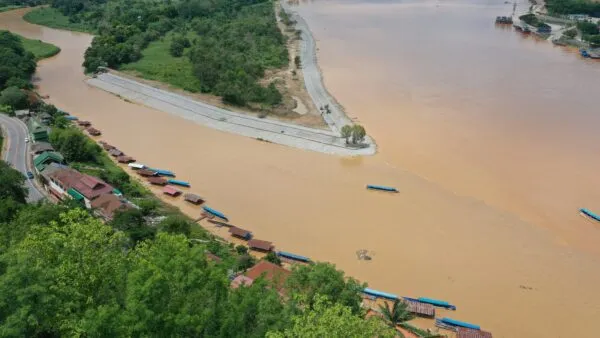
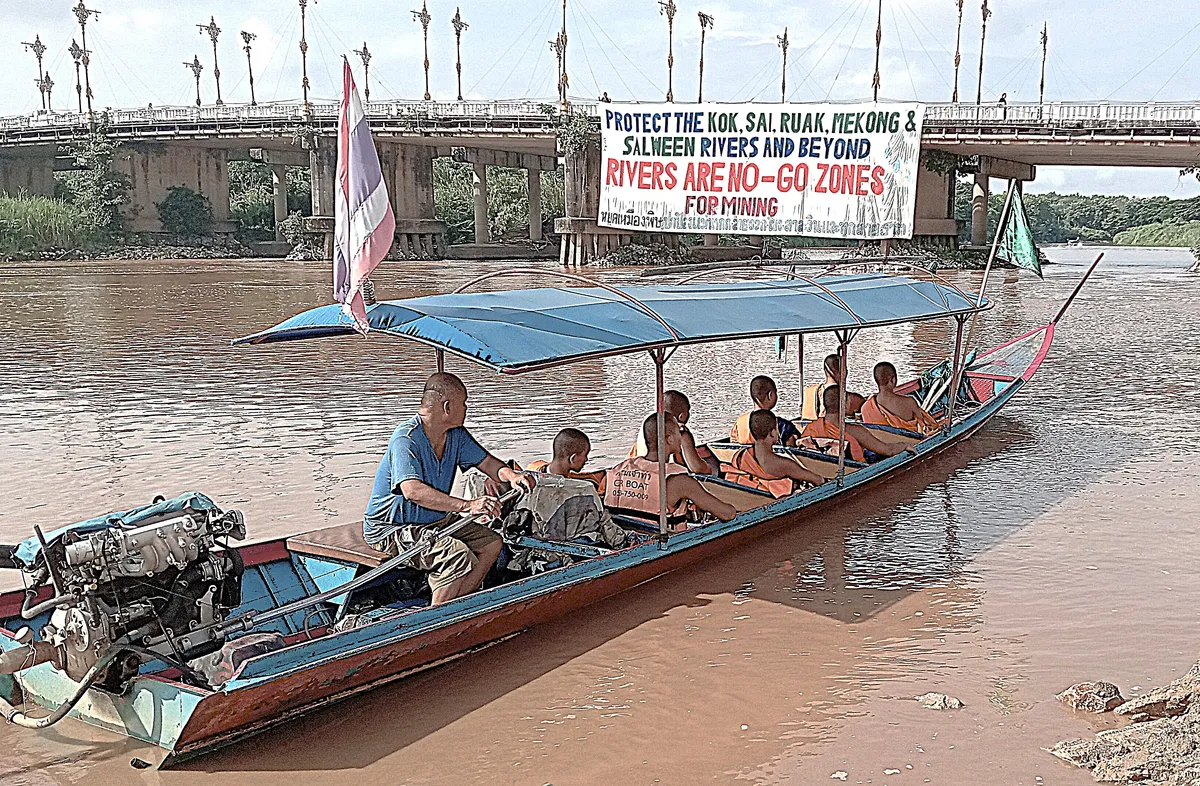
If you thought your morning coffee was bitter, imagine drinking from a river laced with toxic runoff from rare earth and gold mining operations. That is, according to scientists, increasingly the reality facing millions of people who depend on the Mekong River - and the prognosis is not great.
According to a report covered by The Diplomat, researchers are raising serious alarms about mining activity in Myanmar and the downstream consequences for one of the most ecologically and economically critical river systems in the world. The pollution, they warn, is not staying put - it is spreading, and it is spreading fast.
What exactly is going into the water?
Mining for rare earth elements and gold generates a cocktail of heavy metals and chemical byproducts that do not just disappear when they hit a river. Toxic sediment travels downstream, accumulating in ecosystems, fish populations, and eventually the food and water supplies of communities across Myanmar, Laos, Thailand, Cambodia, and Vietnam. The Mekong basin is home to over 60 million people. That is a lot of humans sharing a very compromised drinking fountain.
Scientists quoted in The Diplomat's reporting describe the situation as a potential regional disaster if current trends continue unchecked. The key word here is "if" - but given the pace of industrial mining expansion and the limited regulatory infrastructure in some of the affected areas, that "if" is doing a lot of heavy lifting.

So why is this so hard to fix?
The title of The Diplomat's piece puts it bluntly: "No easy solutions." And that is not journalistic hand-wringing - it reflects a genuinely thorny geopolitical and environmental puzzle. Myanmar's ongoing political instability makes coordinated environmental regulation nearly impossible. Mining operations often operate in areas controlled by various armed factions rather than a central government, which means there is no single phone number to call when you want someone to stop dumping arsenic-adjacent waste into a shared international waterway.
Meanwhile, the global demand for rare earth elements - the very stuff that goes into your smartphone, your electric vehicle, your wind turbines - is not exactly cooling off. The green energy transition has a dirty little secret, and it often involves exactly this kind of extraction.
The bigger picture
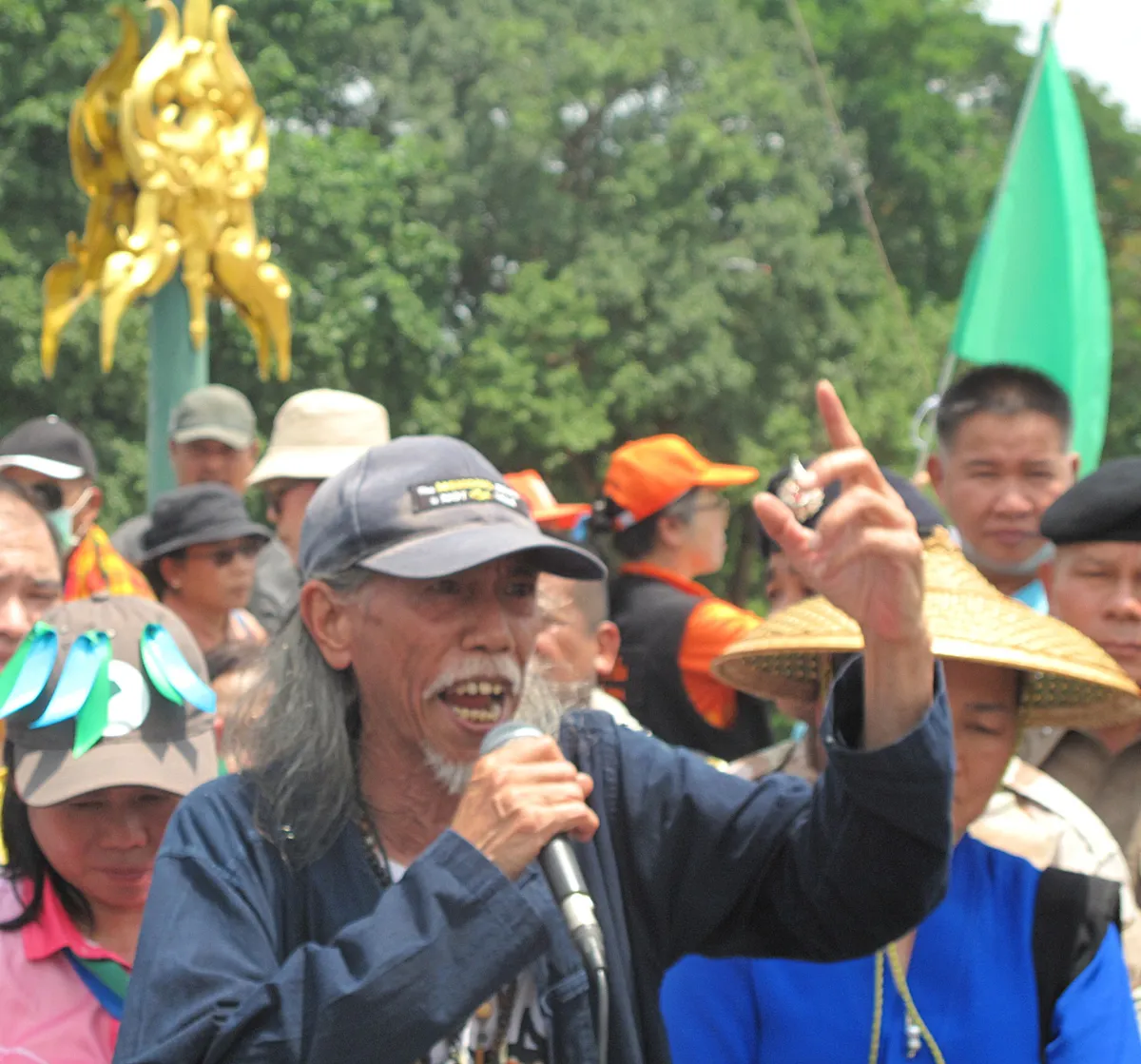
This story sits at a grim intersection of climate solutions, geopolitical fragmentation, and environmental justice. The communities most affected by Mekong pollution are among the least responsible for the global demand driving the mining in the first place. Scientists are calling for coordinated regional monitoring and intervention - but as The Diplomat notes, the political will to act collectively remains elusive.
Consider this your polite but urgent reminder that the rare earth supply chain is not clean, and the rivers are paying the price.