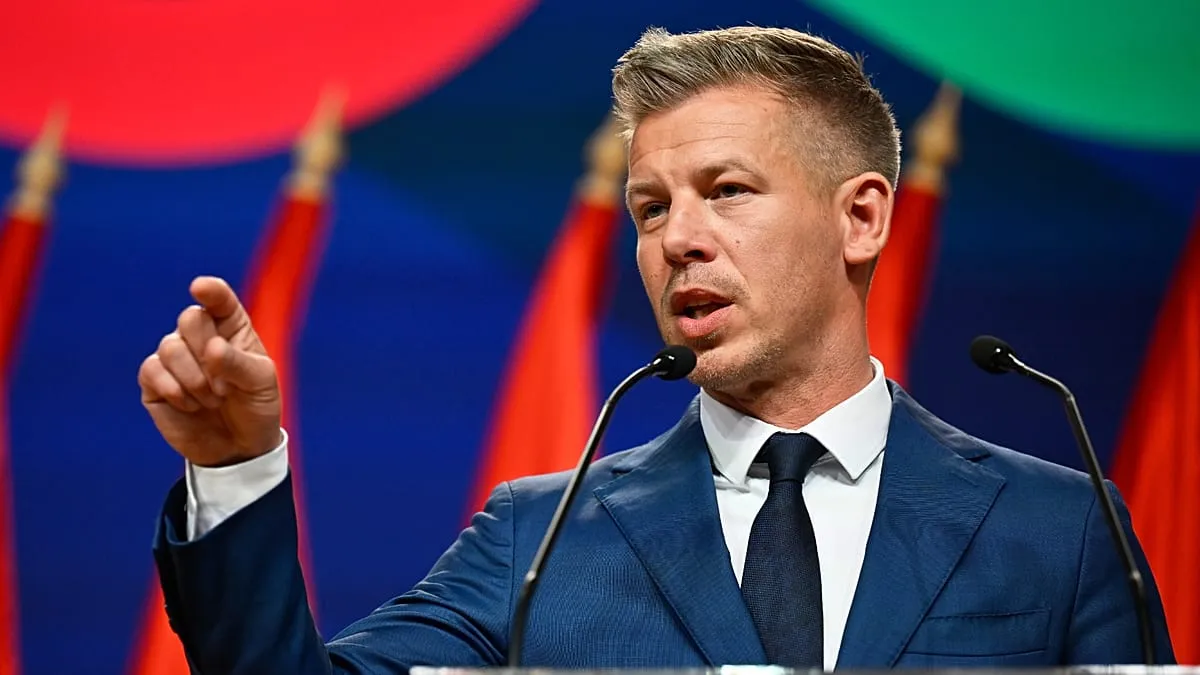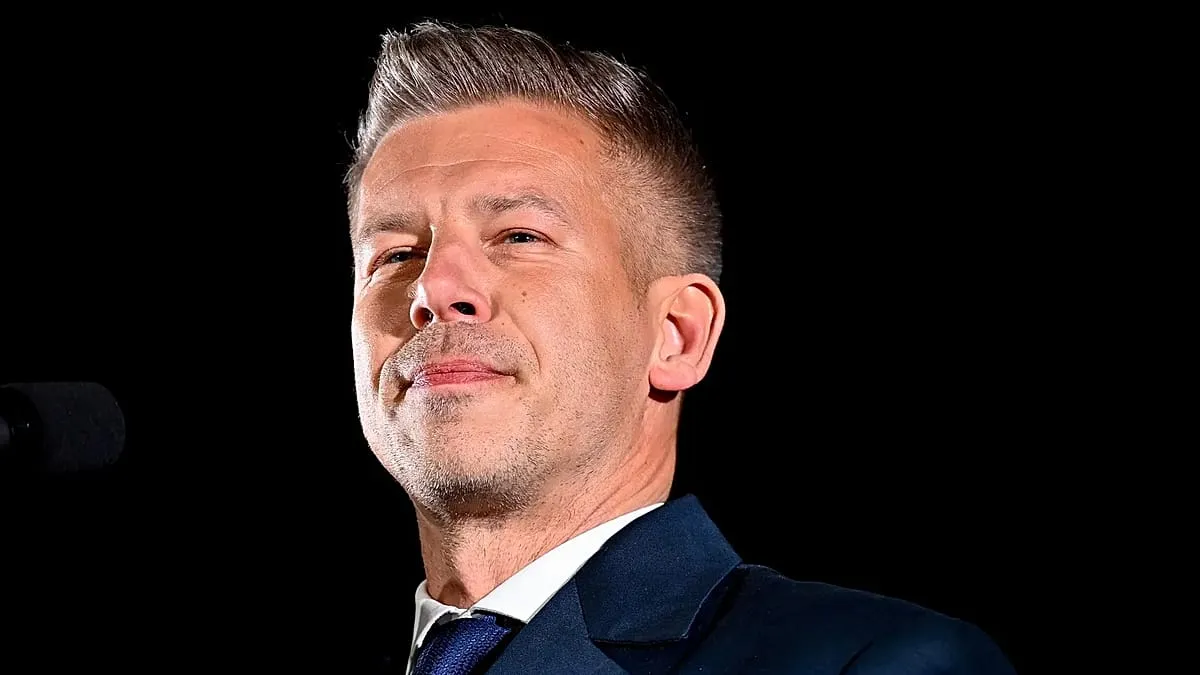
Peter Magyar, set to replace Viktor Orbán as Hungary's prime minister, has staked out a notably different position on Ukraine, stating that no country can be asked to surrender its territory - a direct departure from the outgoing government's ambiguous posture toward Russian-occupied Ukrainian land.
Magyar's comments, reported by Euronews, signal a potential realignment of Budapest's foreign policy after years in which Orbán cultivated unusually close ties with Moscow and repeatedly blocked or delayed European Union support for Ukraine.
A break from Orbán's approach
Orbán built much of his recent electoral campaign around Ukraine and its president, Volodymyr Zelenskyy. His government blamed Kyiv for disruptions to oil flows through the Druzhba pipeline and accused Ukrainian officials of interfering in Hungarian domestic politics. These positions placed Hungary at odds with its NATO and EU partners throughout the duration of the conflict.
Magyar has not outlined a comprehensive Ukraine policy, but his statement on territorial integrity represents a foundational shift. The principle that no country should be compelled to cede territory aligns Hungary more closely with the broadly held Western position that any peace settlement must respect Ukraine's sovereignty.
What may change - and what may not
Hungary's position within the EU and NATO gives the incoming government both obligations and leverage. Under Orbán, Budapest repeatedly used its veto power to complicate alliance-wide decisions on aid and sanctions. Whether Magyar will move quickly to lift those objections remains to be seen.
Analysts and European officials have long argued that a change of government in Budapest could unblock several stalled EU measures related to the war. Hungary has at times been the sole holdout on unanimous decisions requiring member-state agreement.
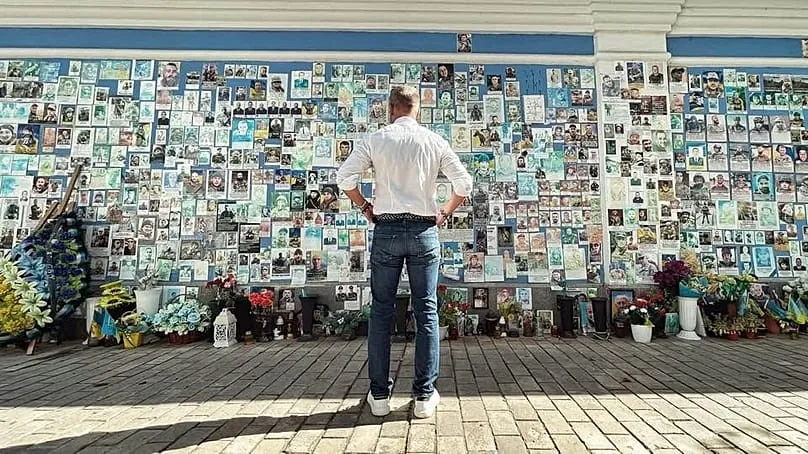
Magyar's incoming administration will also inherit the diplomatic fallout from years of strained relations with Kyiv. The two countries have clashed not only over the pipeline dispute but also over the treatment of Hungary's ethnic minority community in western Ukraine, an issue that predates the 2022 Russian invasion.
Regional significance
Hungary occupies a strategically sensitive position in Central Europe, sharing a border with Ukraine and sitting along key supply and transit routes. Its stance on the war carries practical as well as symbolic weight for the broader European response.
Magyar's early remarks suggest a willingness to engage more constructively with Kyiv and with Hungary's Western partners. However, the pace and depth of any policy change will depend on coalition dynamics, public opinion within Hungary, and the state of the conflict itself when he formally assumes office.
No timeline has been confirmed for the formal transfer of power, and Magyar has not yet given a detailed account of his government's foreign policy priorities beyond the statements reported by Euronews.