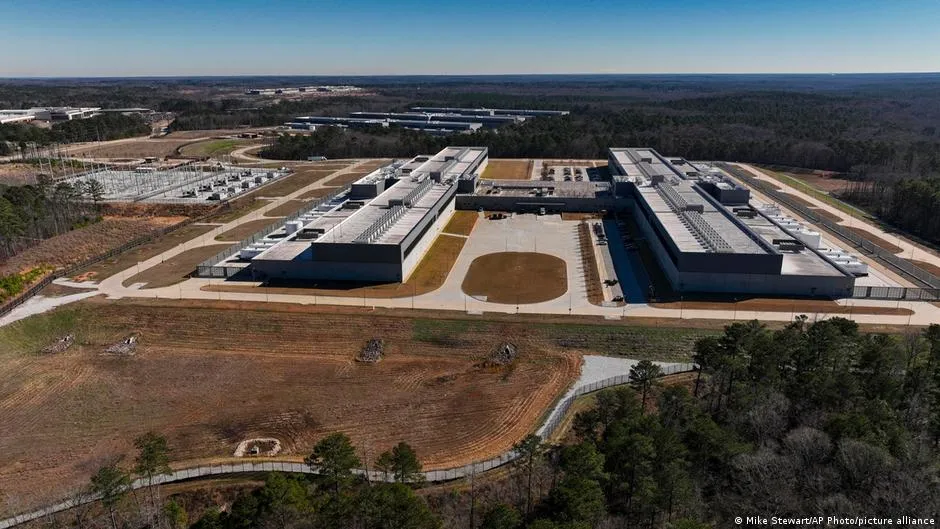
In what could be a landmark moment for tech regulation in the United States, the state of Maine is pushing for what would be the first statewide temporary pause on new AI data center construction, according to a report by Deutsche Welle. Yes, a state best known for lobsters and lighthouses is now taking on Big Tech. We love to see it.
So what's actually happening?
The proposed moratorium is temporary - this isn't Maine declaring war on artificial intelligence or demanding we go back to paper maps and fax machines. Rather, state lawmakers appear to want a pause long enough to actually think through what happens when you plop a massive, power-hungry data center into your backyard.
And the concerns are legitimate. Residents and officials are raising alarms over three key issues: skyrocketing electricity costs for ordinary people, aggressive land use that could reshape rural communities, and environmental risks that come with industrial-scale computing infrastructure. These aren't fringe anxieties - they're the kinds of questions that entire regions are starting to grapple with as AI infrastructure expands at breakneck speed.
Why this matters beyond Maine
Data centers are the unglamorous backbone of the AI boom. Every chatbot response, every image generated, every video recommendation served to you at 2am - it all runs through these facilities, which consume enormous amounts of electricity and water for cooling. The International Energy Agency has previously flagged data center power demand as a growing concern for grid stability in multiple countries.
What Maine is doing is essentially saying: slow down, we'd like to understand what we're signing up for before we sign it. That's a remarkably reasonable position that tends to get drowned out when billions of dollars in investment are dangled in front of local economies.
The bigger picture
If the moratorium moves forward, Maine would become a test case for whether U.S. states can pump the brakes on tech infrastructure expansion through direct legislative action. Other states watching their own energy grids strain under similar pressures will be paying close attention.
The tech industry, naturally, tends to frame any pause as anti-innovation and anti-jobs. Critics of that framing would argue there's nothing innovative about sticking communities with higher utility bills and environmental cleanup costs while profits flow elsewhere.
Maine hasn't made a final decision yet, but the conversation it's forcing is one that probably should have started a lot sooner.