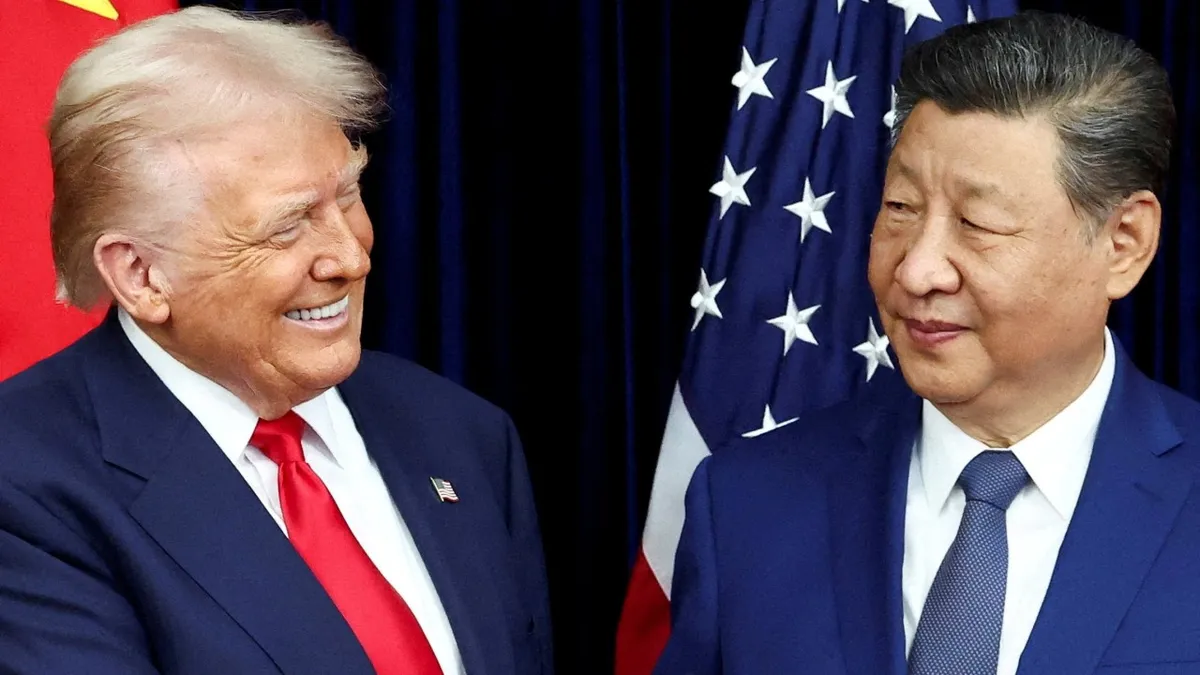
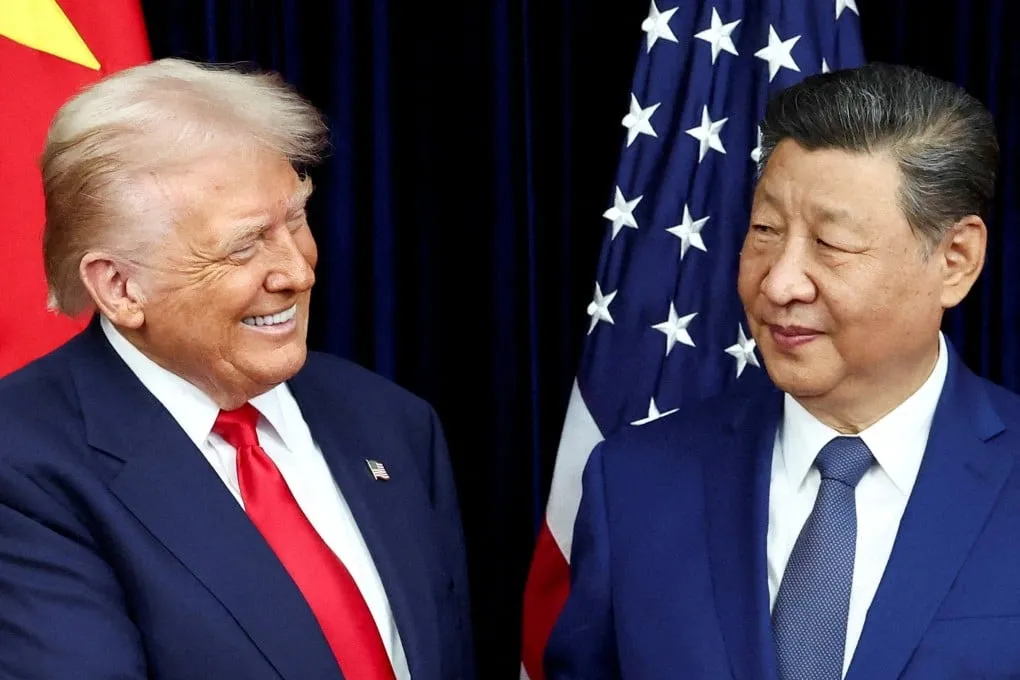
It sounds like the setup to a very unfunny joke: the world's two largest military powers, both racing to weaponize artificial intelligence, are being asked to please, pretty please, sit down and talk about doing it safely. According to reporting by Amber Wang for the South China Morning Post, the question of military AI governance could land on the agenda when US President Donald Trump meets Chinese leadership during what is being described as a landmark visit to China.
Why now, why this, why oh why
The timing is, to put it diplomatically, chaotic. The ongoing US-Iran conflict is rattling global energy markets, torching economic confidence, and adding yet another layer of tension to an already frayed Washington-Beijing relationship. So naturally, this is the moment experts want the two rivals to have a productive, nuanced conversation about autonomous weapons systems. Bold strategy.
Still, the pressure is real. Calls are growing from analysts and policy circles for the US and China to establish some kind of framework governing the safe military use of AI - think rules of engagement, but for robots that technically don't need to breathe before pulling a trigger.
The awkward elephant in the server room
Here is the core tension: the US and China are simultaneously each other's biggest geopolitical rival AND deeply economically intertwined. That paradox, which the SCMP series frames as a relationship defined by rivalry, interdependence, and cascading geopolitical crises, makes any agreement both desperately necessary and politically excruciating.
Neither side wants to hand the other a roadmap to their military AI capabilities. But both sides arguably have an interest in making sure an AI system doesn't accidentally start World War III because it misread a radar blip.
What would an agreement even look like?
No confirmed proposals have been made public, and it remains unclear whether military AI will formally appear on any summit agenda. What analysts and advocates are pushing for, according to the SCMP report, includes communication channels specifically designed for AI-related military incidents - a kind of hotline for when your autonomous drone does something deeply weird over international waters.
Progress here would be genuinely historic. Failure would be, well, on-brand for 2025.
The broader SCMP series examining the reshaping US-China relationship is worth following closely, because whether or not the two leaders shake hands on anything concrete, the dynamics being described - interdependence without trust, competition without guardrails - are arguably the defining geopolitical story of this decade.
No pressure, gentlemen. The algorithm is watching.