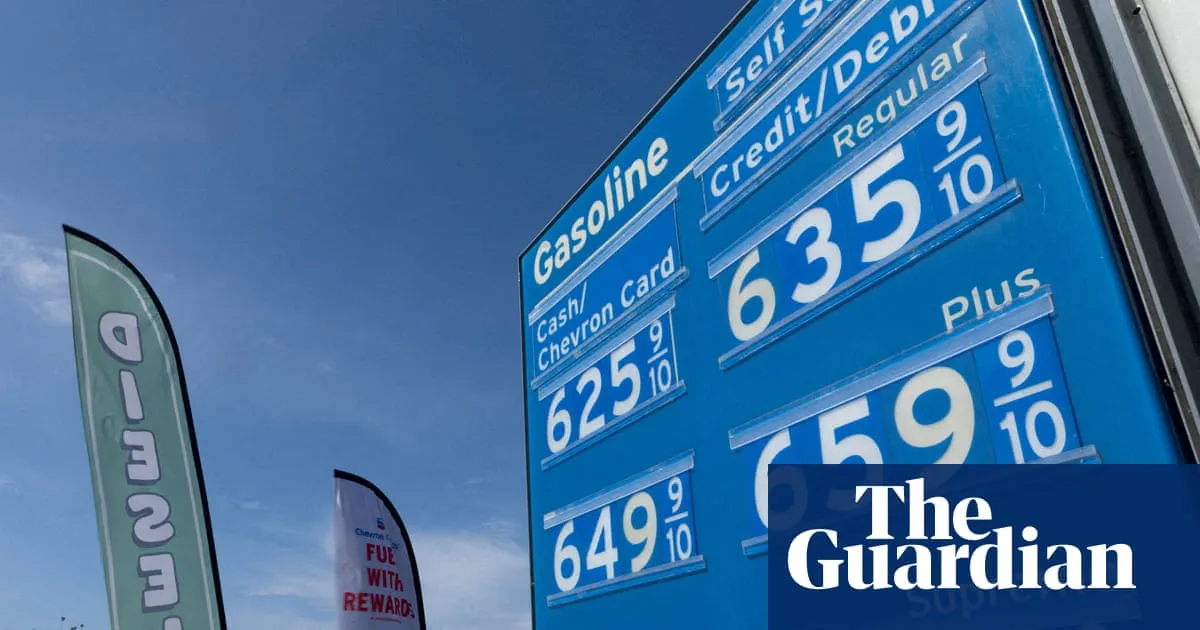
If you have ever pulled up to a gas pump in California and felt a deep, spiritual sense of being robbed, congratulations - you may have a lawsuit on your hands.
A group of California drivers filed a proposed class action lawsuit on Monday against some of the biggest names in fuel retail, including BP, Circle K, Marathon, 7-Eleven, Walmart, and Albertsons, according to The Guardian. The accusation? That these companies used an AI-based pricing tool to coordinate fuel prices across competing stations - allegedly in violation of California's Cartwright Act, the state's primary antitrust law.
So what exactly is the AI supposedly doing?
According to the lawsuit's claims, the AI tool in question reportedly pulls in pricing data from competing gas stations and uses it to coordinate prices across the board. The plaintiffs argue this is not healthy market competition - it is a very tech-savvy way of doing something old-fashioned price-fixing has always done: squeeze consumers dry.
The suit claims the defendants used this system to "wring more money from the pockets of consumers," which, if proven true, would make this one of the most on-brand Silicon Valley adjacent scandals in recent memory. Who needs a smoke-filled back room when you have a shared algorithm?
Why this actually matters beyond the memes
Algorithmic pricing coordination is becoming a serious legal battleground across multiple industries. The idea is simple but legally complex: if competing companies independently subscribe to the same AI pricing platform, and that platform nudges all of them toward similar price points, does that constitute illegal collusion - even if no executives ever called each other up to agree on numbers?
Courts have been wrestling with this question in housing markets, airlines, and now gas stations. California, with its massive economy and consumer-friendly legal environment, is shaping up to be a key arena for these fights.
None of the companies named in the suit have been found liable, and the lawsuit remains a proposed class action - meaning it still needs court certification before it can proceed as a full class. The allegations represent the plaintiffs' claims, not established facts.
The bottom line
If you are a California driver who has spent the last few years wondering why gas prices always seem to move suspiciously in the same direction at the same time, a group of your fellow motorists is now asking a court the exact same question - and pointing a finger at a machine for the answer.
Whether the AI is actually to blame, or whether it is just doing math on behalf of companies that already wanted to charge you more, is precisely what the litigation will attempt to sort out.