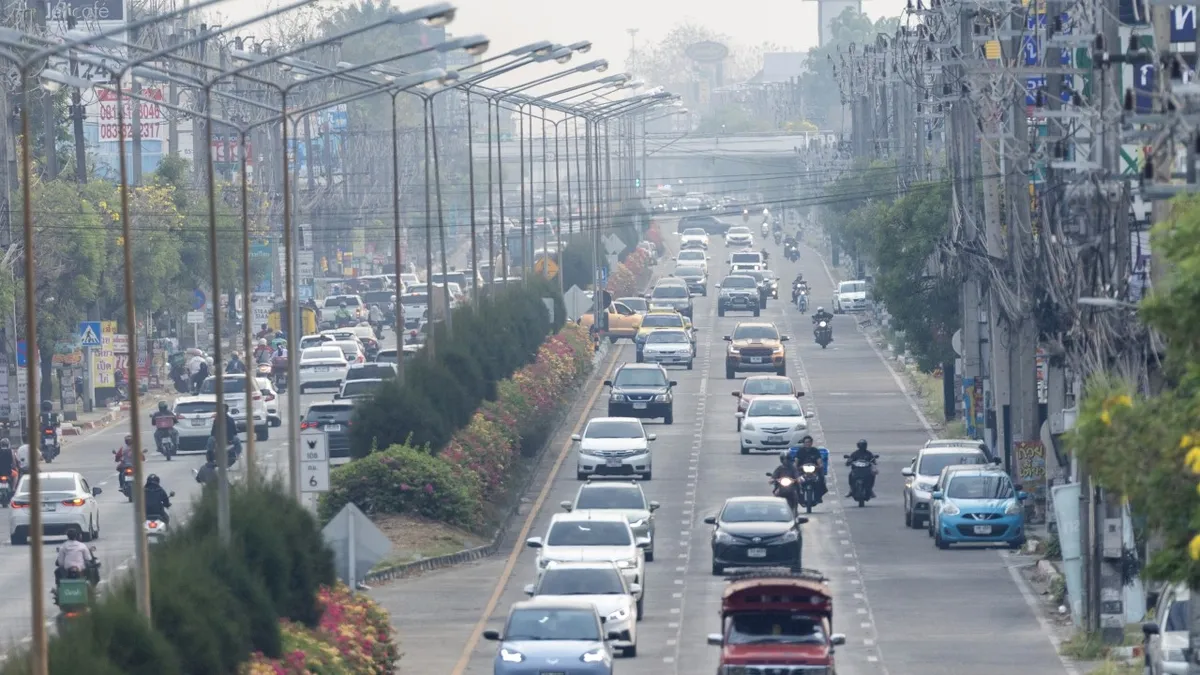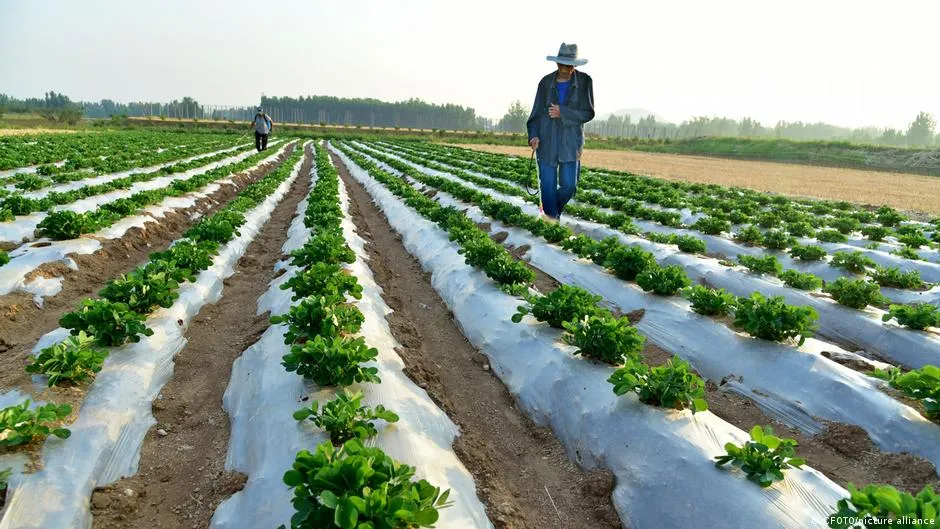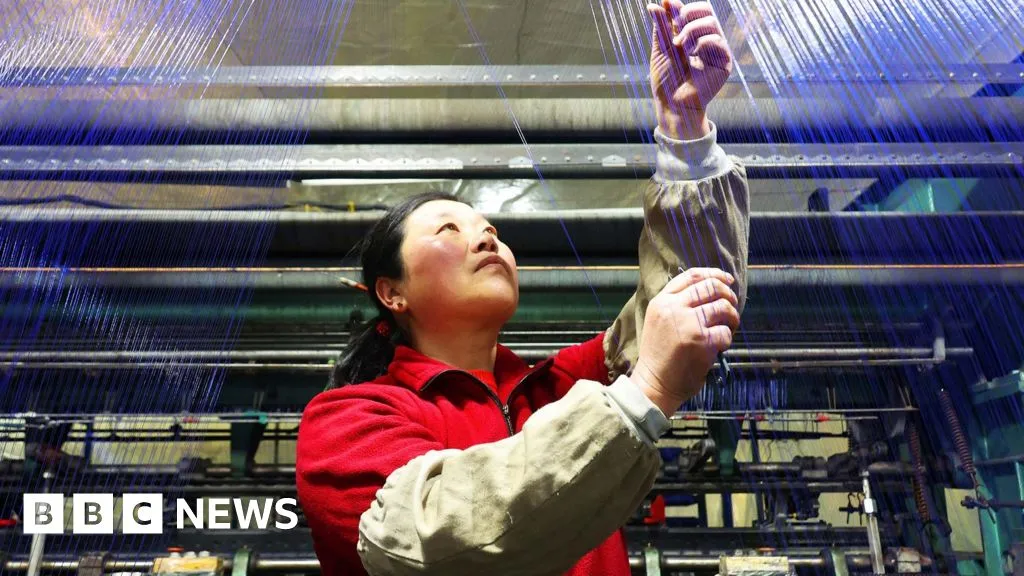
China's export-driven economy, which demonstrated notable resilience in the face of sweeping U.S. tariffs under the Trump administration, is now contending with a new source of strain: the ongoing conflict in the Middle East involving Iran.
According to reporting by the BBC, the war is placing measurable pressure on multiple pillars of China's manufacturing sector, including factory orders, production costs, and employment levels.
A different kind of disruption
While China managed to navigate the tariff battles with the United States through a combination of trade rerouting, currency adjustments, and domestic stimulus, the Middle East conflict presents a more complex set of challenges. The disruption to regional shipping lanes and broader uncertainty in global trade flows are hitting Chinese exporters in ways that tariffs alone did not.
Rising shipping and energy costs linked to the conflict are squeezing profit margins for manufacturers operating in China's sprawling export hubs. Factory owners are reporting softer order books as international buyers reassess supply chains amid geopolitical instability.
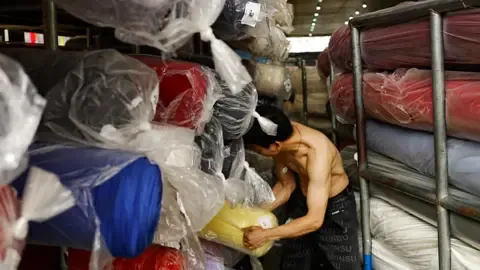
Employment and output under pressure
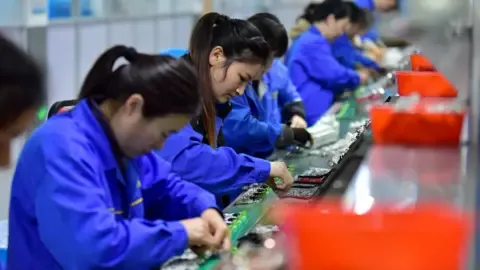
The BBC report highlights that job losses in some export-dependent regions are becoming a concern. China's manufacturing workforce, which numbers in the hundreds of millions, is particularly vulnerable to demand-side shocks originating abroad.
The combination of reduced orders and higher input costs is compressing the margins that Chinese factories rely on to remain competitive in global markets. Some analysts have pointed to the situation as a stress test for an economy that has long depended on external demand to sustain growth targets.

Broader economic context
China's economy has faced a challenging period, contending simultaneously with a prolonged property sector downturn, subdued domestic consumption, and ongoing trade tensions with Western economies. The added pressure from Middle East instability complicates Beijing's efforts to stabilize growth.
The conflict's effect on global oil prices is also a factor, as China is one of the world's largest importers of crude oil. Higher energy costs feed directly into manufacturing and logistics expenses across the economy.
Chinese authorities have not publicly detailed specific policy responses to the Middle East-related economic pressures, though the government has signaled broader intentions to boost domestic consumption and diversify export markets.
The situation underscores the degree to which China's economic fortunes remain tied to global stability, even as Beijing has sought to present its economy as increasingly self-sufficient and resistant to external shocks.