Governments across Southeast Asia have turned to work-from-home mandates as a tool to reduce state energy expenditure amid soaring fuel costs linked to the Iran war, but analysts caution that the projected savings may be significantly overstated.
Indonesia introduced a Friday work-from-home policy for civil servants on April 1, with officials estimating the measure would save approximately 6.2 trillion rupiah - roughly US$361.5 million - in state fuel subsidies. Authorities have projected total consumption savings at nearly ten times that figure.
The Philippines has pursued a similar approach, implementing a four-day work arrangement for government employees in an effort to curb energy spending.
The complexity behind the numbers
While the policies have been framed as straightforward cost-cutting measures, analysts say the actual energy calculations are considerably more complicated, according to reporting by the South China Morning Post.
The core issue is that energy consumption does not simply disappear when workers stay home. Employees working remotely still consume electricity at their residences, meaning the reduction in office energy use is partially offset by increased household consumption. The net savings depend heavily on factors such as the efficiency of home cooling systems, regional electricity tariffs, and household energy habits - variables that government estimates may not fully account for.
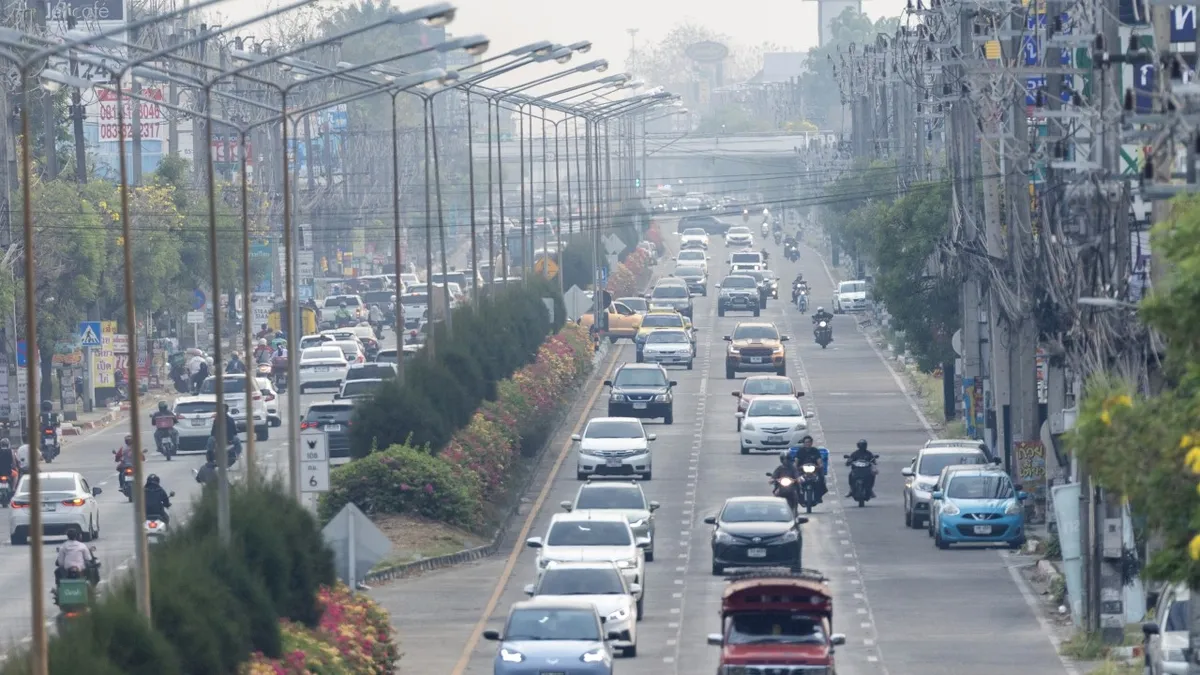
Transportation-related fuel savings represent a more straightforward benefit, particularly in densely populated urban centers like Jakarta and Manila, where commutes tend to be lengthy. However, whether those reductions translate into meaningful relief on state subsidy budgets remains contested.

Broader regional pressures
The policy push reflects the acute fiscal pressure facing Southeast Asian governments as energy costs have climbed in the wake of the Iran conflict. Fuel subsidies represent a significant budget line for several governments in the region, and officials have been seeking visible, short-term measures to signal fiscal responsibility.
Critics argue that without more rigorous modeling of end-to-end energy consumption - from office buildings to residential grids to transportation - the announced savings figures risk overpromising outcomes that may not materialize in budget ledgers.
Whether the policies will be extended, expanded, or rolled back will likely depend on how governments assess their actual fiscal impact in the months ahead.