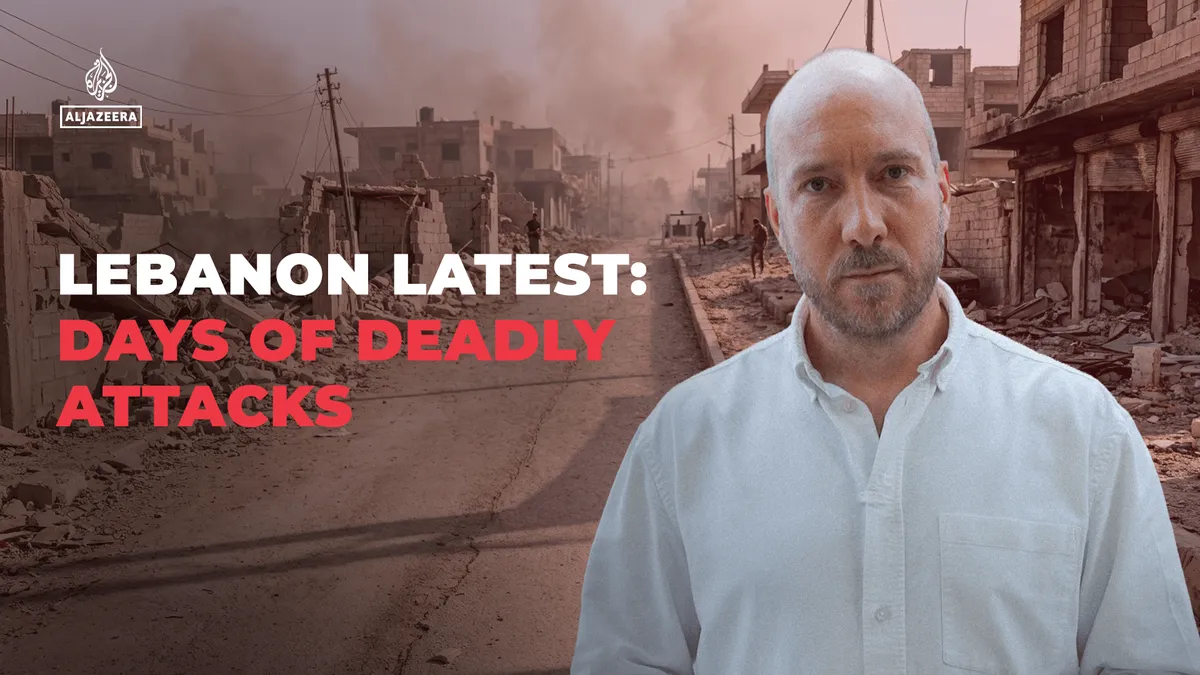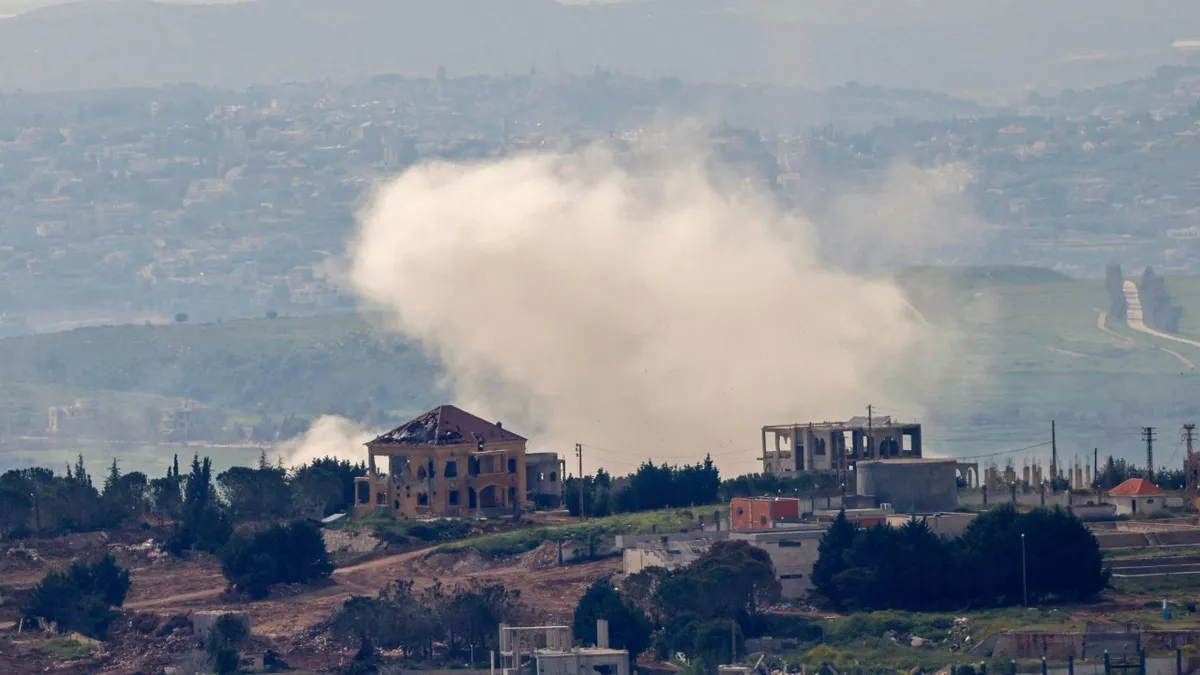
If you were hoping the Israel-Hezbollah ceasefire would hold together like a well-engineered IKEA bookshelf, we have some bad news. According to Lebanese state media and reporting by the South China Morning Post, Israeli strikes lit up southern Lebanon on Saturday night - following an earlier round of attacks the same day that killed six people.
The escalation came after Israeli Prime Minister Benjamin Netanyahu reportedly ordered the Israeli military to "forcefully attack Hezbollah targets," with the army accusing the Lebanese militant group of violating the terms of the truce. Lebanon's health ministry confirmed casualties from the earlier strikes, describing them as "Israeli enemy strikes" on Lebanese territory.
A ceasefire in name only?
This is where it gets complicated. The ceasefire between Israel and Hezbollah had already been extended once - a sign that, in theory, both sides were at least nominally interested in keeping things from going full catastrophe again. In practice, Saturday's events suggest the agreement is currently held together with the diplomatic equivalent of scotch tape and wishful thinking.
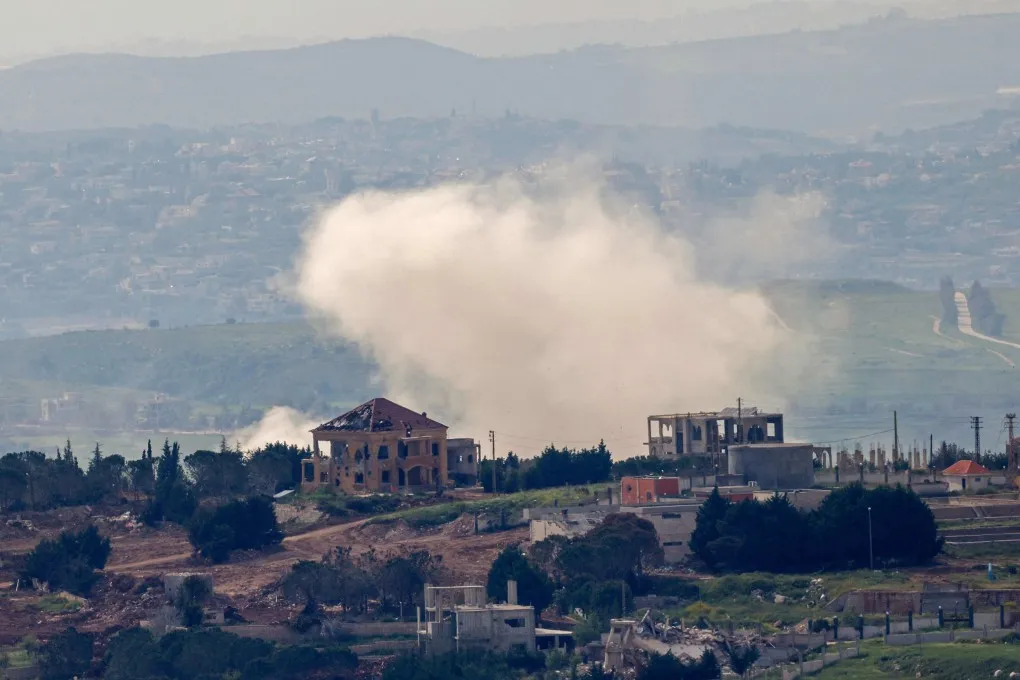
Israel's position, as relayed through Netanyahu's orders, is that Hezbollah fired first - or at least violated the ceasefire terms first. Hezbollah's side of the story was not immediately detailed in the available reporting. What is confirmed is that strikes happened, people died, and the southern Lebanese towns once again found themselves on the receiving end of military action.
Why this matters beyond the headlines
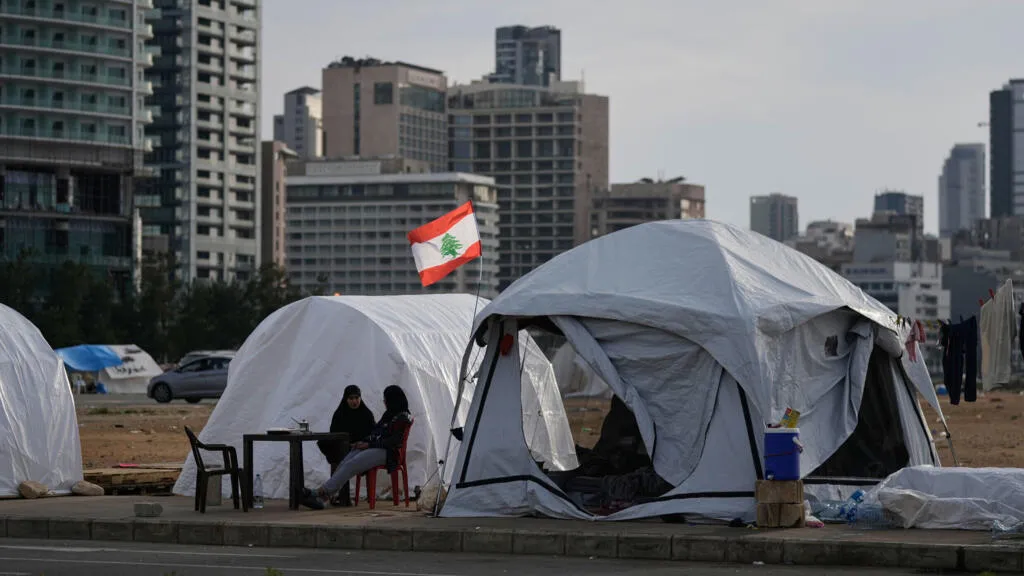
The broader context here is important. The Israel-Hezbollah conflict had already caused devastating casualties and displacement across Lebanon before the ceasefire was brokered. Any sustained breakdown risks pulling the region back toward the kind of open warfare that displaced hundreds of thousands of Lebanese civilians and left entire neighborhoods in rubble.
International observers had cautiously welcomed the ceasefire extension as a potential foothold for longer-term stability. Saturday's strikes are, at minimum, a serious test of whether that foothold is real - or just the calm before the next loud and tragic chapter.
For now, the situation remains fluid. More details are expected as Lebanese and Israeli officials respond to the renewed violence. The South China Morning Post is continuing to follow developments on the ground.