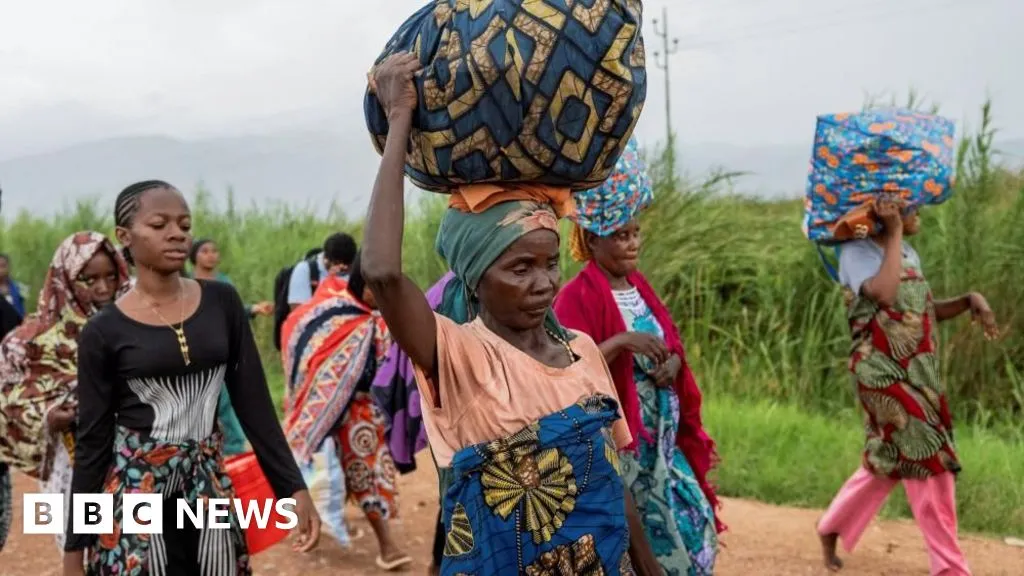
If you were looking for a place that captures the sheer human cost of eastern DR Congo's spiralling conflict, Uvira might be it. The lakeside city, nestled on the northern shore of Lake Tanganyika, fell to M23 rebel fighters and Rwandan troops in December - and according to a BBC investigation, what followed has left deep, ugly scars on its population.
A city under shock
Residents of Uvira have described scenes of brutal violence in the aftermath of the city's capture, with rebel fighters and Rwandan troops accused of committing serious atrocities against civilians. The accounts collected by the BBC include killings carried out in plain sight - one resident recounting, with the kind of bluntness that only real trauma produces, that fighters simply shot a neighbour in the head.
These are not isolated whispers. Multiple testimonies point to a pattern of violence directed at ordinary people who had nowhere to run and nowhere to hide.
Who is responsible?
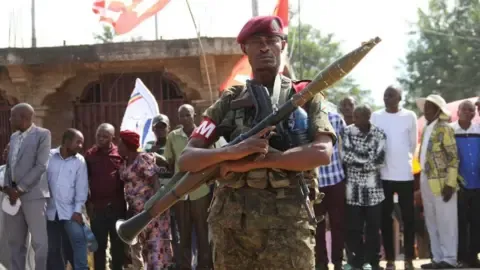
The fingers are being pointed squarely at M23 - the rebel group that has dramatically expanded its control over eastern Congo in recent months - and at Rwandan troops fighting alongside them. Rwanda has previously denied direct military involvement in Congo, though that position has become increasingly difficult to defend as evidence has mounted. The BBC report adds further weight to the accusations, though it is important to note that these remain allegations at this stage, and armed groups on multiple sides of the conflict have faced accusations of abuses throughout this long-running war.
Eastern Congo's endless crisis
Uvira's suffering did not appear from thin air. Eastern DR Congo has been locked in cycles of armed conflict for decades, with dozens of armed groups competing for territory, resources, and influence. The M23 resurgence - backed, Western governments and UN experts say, by Rwanda - has dramatically accelerated displacement and violence since 2021, with millions of people now uprooted across the region.
The fall of Uvira in December was part of a broader M23 offensive that also saw Goma, the region's largest city, captured in January 2025 - a seismic shift that sent shockwaves through the international community and prompted frantic diplomatic scrambling.
The human toll
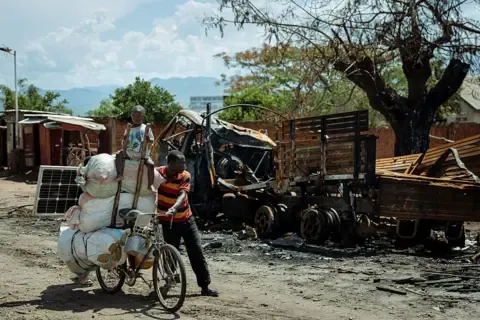
For the people of Uvira, geopolitics is secondary. What matters is that their city, their neighbours, their sense of safety - all of it has been shattered. The BBC's on-the-ground reporting brings to life what statistics and diplomatic communiques tend to flatten: that behind every data point is a person who watched something unspeakable happen on their street.
Investigations into the alleged atrocities are ongoing, and international pressure on both M23 and Rwanda continues to build - though for many Uvira residents, accountability feels like a very distant promise.