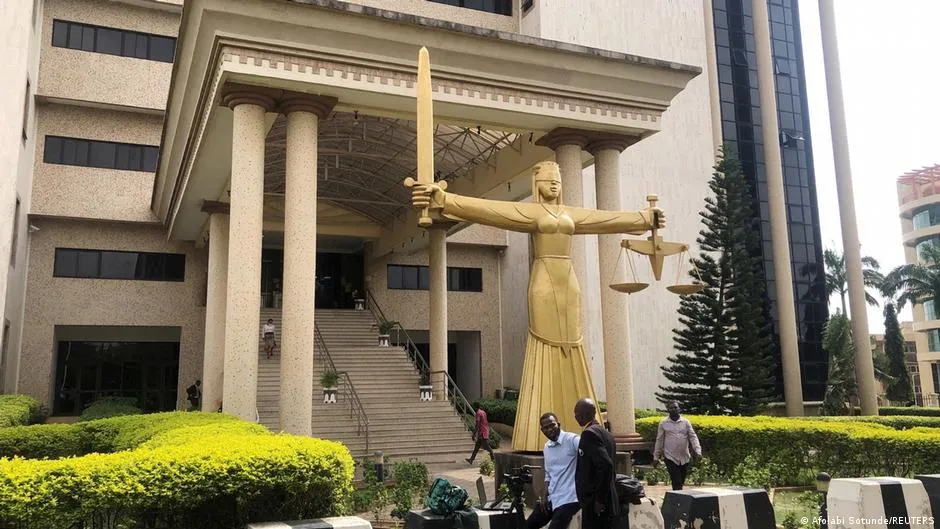
Nigeria's anti-corruption machinery scored a rare headline victory recently with the conviction of former power minister Saleh Mamman, but the celebratory mood lasted about as long as electricity supply in Lagos - which, given Mamman's former portfolio, carries a certain poetic irony.
According to a report by Deutsche Welle, the conviction has reignited a long-simmering debate in Nigeria: who exactly is being held accountable in the country's so-called war on corruption? Because, critics argue, the pattern looks less like a war and more like a carefully curated guest list.
A conviction, yes - but whose turn is it really?
Mamman, who served as minister of power under President Muhammadu Buhari, was found guilty in what prosecutors framed as a significant scalp for Nigeria's anti-graft agencies. And to be fair, securing any conviction against a former federal minister in Nigeria is no small feat - the legal system moves at a pace that makes continental drift look impatient.
But observers and civil society groups quoted in DW's reporting are raising the uncomfortable question of selectivity. The concern is that high-profile prosecutions tend to target figures who are politically isolated or out of favor, while well-connected individuals with considerably larger skeletons in considerably larger cupboards remain untouched.
The usual suspects - or just the convenient ones?
Nigeria's Economic and Financial Crimes Commission (EFCC) has notched up conviction statistics that look impressive on a PowerPoint slide. The agency routinely prosecutes hundreds of cases annually. However, critics point out that the bulk of those convicted tend to be lower-level officials or political figures who no longer enjoy the protection of powerful patrons.
The structural problem, as analysts have long noted, is that anti-corruption efforts in Nigeria often operate along political fault lines. When administrations change, former allies of the previous government suddenly find themselves in the crosshairs - a phenomenon locals have wryly termed "corruption of the opposition."
So is the war on corruption actually working?
Nigeria consistently ranks poorly on Transparency International's Corruption Perceptions Index, hovering near the bottom of global rankings year after year. The conviction of a former minister is symbolically important, but symbols do not fix power grids, fund schools, or stop the haemorrhaging of public funds that Nigerians have watched happen for decades.
The DW report suggests that for many Nigerians, the real test is not whether someone gets convicted - it is whether the conviction follows the evidence or the political weather forecast.
For now, Saleh Mamman is behind bars. Whether that represents justice, politics, or a bit of both is a question Nigeria is still very much working through.