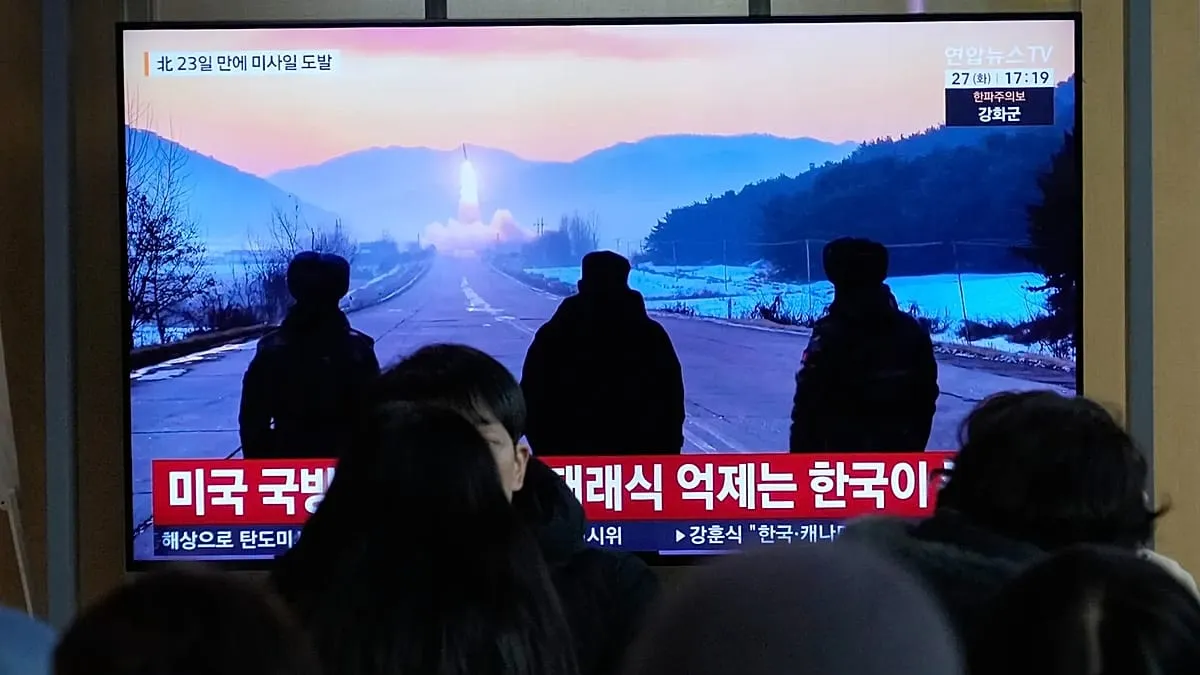
The International Atomic Energy Agency (IAEA) has warned of a significant deterioration in North Korea's nuclear threat, describing a serious increase in the country's ability to produce nuclear weapons, according to a report by Euronews.
North Korea, which carried out its first nuclear test in 2006, remains subject to extensive United Nations sanctions targeting its prohibited weapons programmes. Despite these measures, the IAEA's assessment suggests Pyongyang has continued to advance its nuclear capabilities.
A long-running standoff
North Korea's nuclear ambitions have been a persistent source of international tension for decades. The country has conducted multiple nuclear tests and has repeatedly defied calls from the UN Security Council, the United States, and regional powers to halt its weapons development.
The IAEA, which serves as the UN's primary body for monitoring nuclear activity worldwide, has been unable to conduct on-the-ground inspections inside North Korea since Pyongyang expelled its inspectors in 2009. The agency's assessments are therefore based on satellite imagery, open-source analysis, and other remote monitoring methods.

Sanctions and diplomatic isolation
The UN has imposed multiple rounds of sanctions on North Korea in response to its weapons tests, targeting the country's coal exports, financial transactions, and access to key imports. Critics of the sanctions regime have argued the measures have failed to meaningfully deter Pyongyang's nuclear development, while supporters maintain they have constrained the pace of the programme.
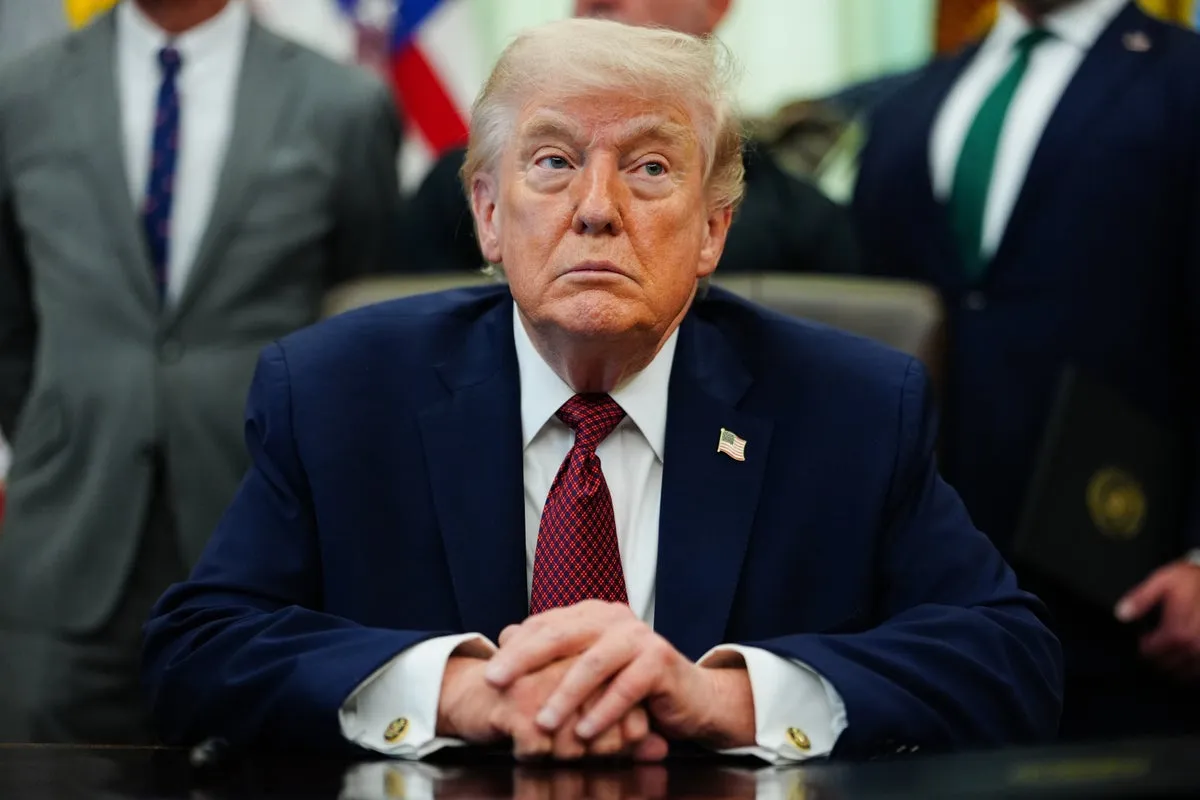
Diplomatic efforts to negotiate a halt to North Korea's nuclear activities have repeatedly stalled. High-profile summits between former U.S. President Donald Trump and North Korean leader Kim Jong Un in 2018 and 2019 failed to produce a lasting agreement.
Regional implications
The IAEA's latest warning is likely to increase pressure on regional powers, including South Korea, Japan, and China, to reassess their approaches to the North Korean threat. South Korea and Japan have both raised concerns in recent years about their security posture in response to the advancing capabilities of Pyongyang's military.
China, North Korea's closest ally and largest trading partner, has historically resisted the most stringent proposed sanctions, arguing that dialogue rather than pressure represents the most effective path toward denuclearisation on the Korean peninsula.
The IAEA's findings add to a growing body of assessments from governments and research institutions indicating that North Korea's nuclear stockpile and delivery capabilities have expanded substantially in recent years.