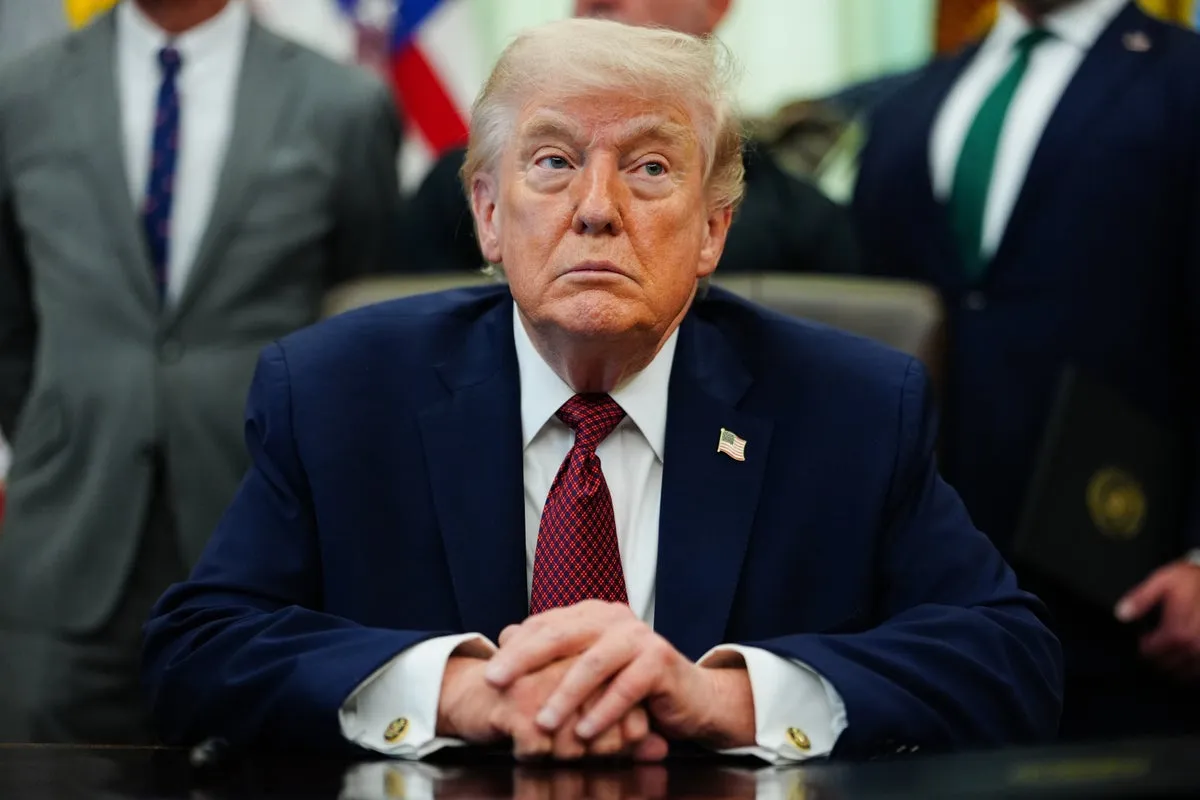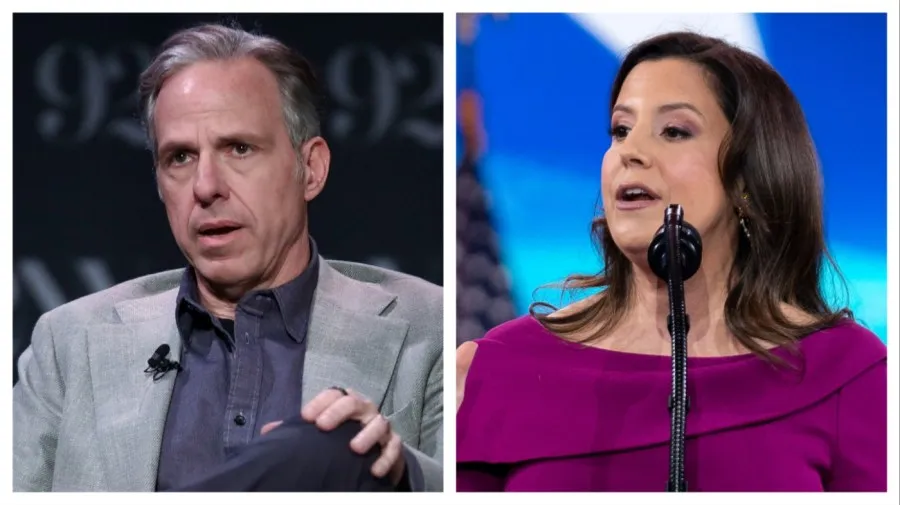
CNN anchor Jake Tapper and Rep. Elise Stefanik (R-N.Y.) engaged in a heated exchange Sunday over President Donald Trump's recent warning that an entire Iranian civilization could be destroyed, with the two clashing over how such language should be characterized and condemned.
During an appearance on CNN's "State of the Union," Tapper raised the comparison between Trump's remarks - in which the president stated that a "whole civilization will die" in Iran - and the phrase "From the river to the sea," a slogan chanted by college students during protests over the Israel-Hamas war, according to a report by The Hill.
The exchange highlighted a broader debate over what constitutes threatening or inflammatory language in the context of the Middle East conflict, and whether political figures apply consistent standards when evaluating such rhetoric depending on who is speaking.
Stefanik, a close Trump ally, has previously been vocal in condemning the "From the river to the sea" slogan, arguing it represents a call for the elimination of Israel. The interview put her in the position of responding to questions about whether Trump's language toward Iran warranted similar scrutiny.
Trump made the remarks earlier this month as tensions between the United States and Iran remain elevated, with ongoing disputes centered on Iran's nuclear program and broader regional dynamics in the Middle East.
The confrontation between Tapper and Stefanik reflects a recurring tension in American political discourse - the question of how leaders and commentators respond to extreme or violent language, and whether that response shifts based on partisan alignment or the identity of the speaker.
Stefanik, who represents New York's 21st congressional district, has been a prominent defender of Trump's foreign policy positions and was previously nominated by Trump to serve as U.S. Ambassador to the United Nations before withdrawing from consideration.
The exchange drew attention on social media and political commentary platforms, underscoring how rhetoric related to the Israel-Hamas conflict continues to generate controversy across political lines in the United States.