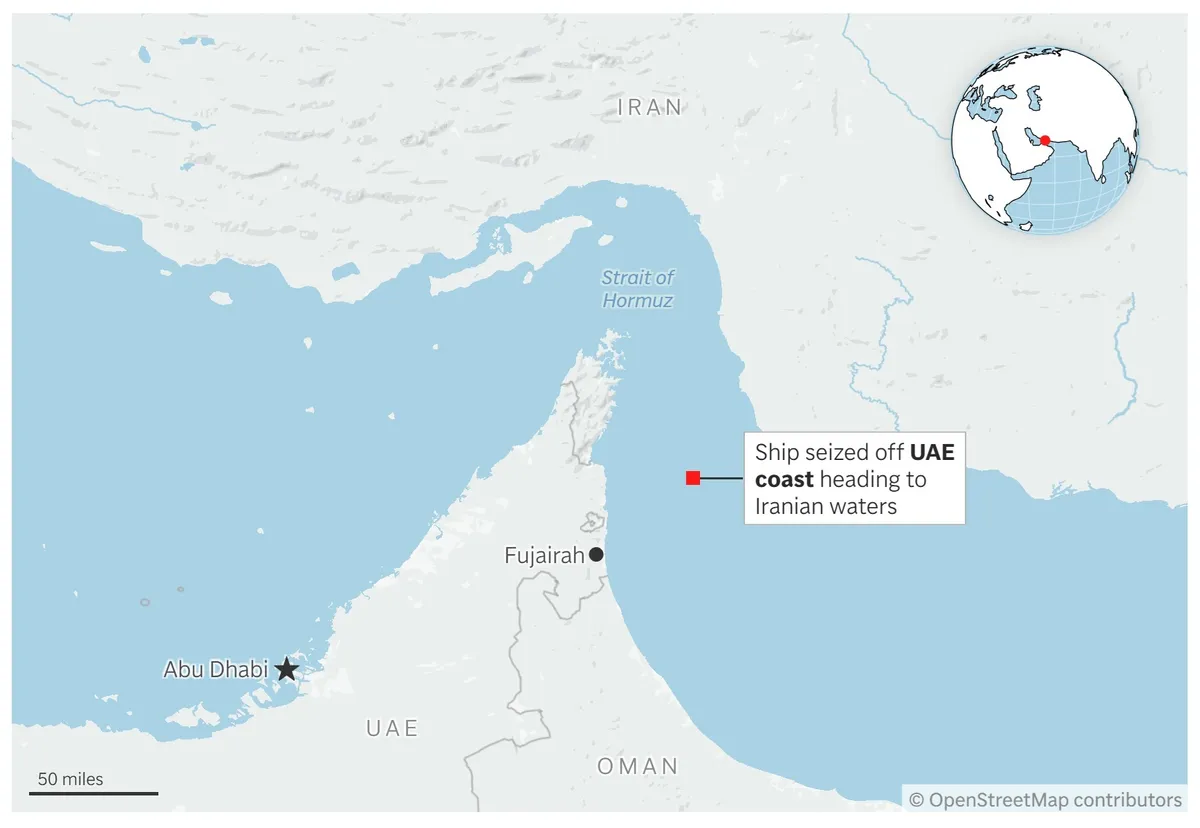
If the Strait of Hormuz were a person, it would be that one coworker who can never just let things be calm for five minutes. According to NPR, tensions are flaring up again near one of the most strategically critical shipping lanes on the planet, after two separate maritime incidents sent alarm bells ringing across the region.
What actually happened
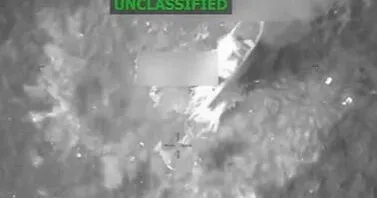
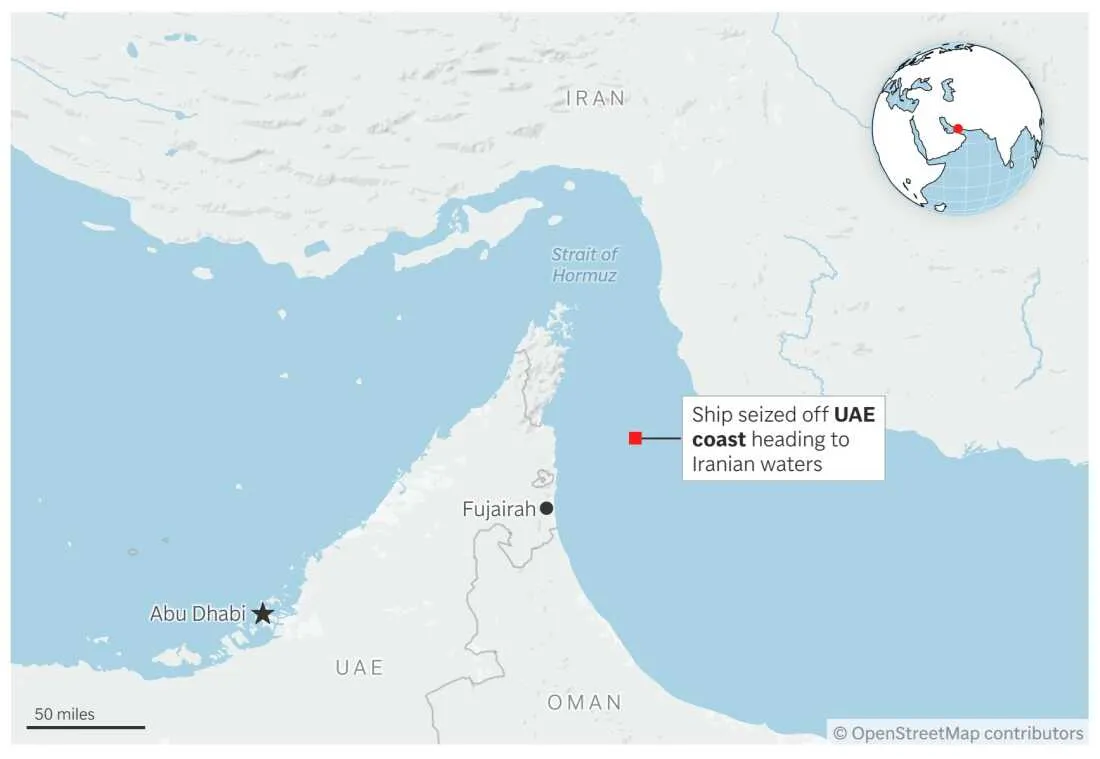
Two ships, two very bad days. The first vessel, which had been anchored off the coast of the United Arab Emirates, was seized and redirected toward Iran. The second ship was attacked near the coast of Oman and - buckle up - it sank. That's not a drill, not a warning shot, not a strongly worded letter. An actual ship went under.
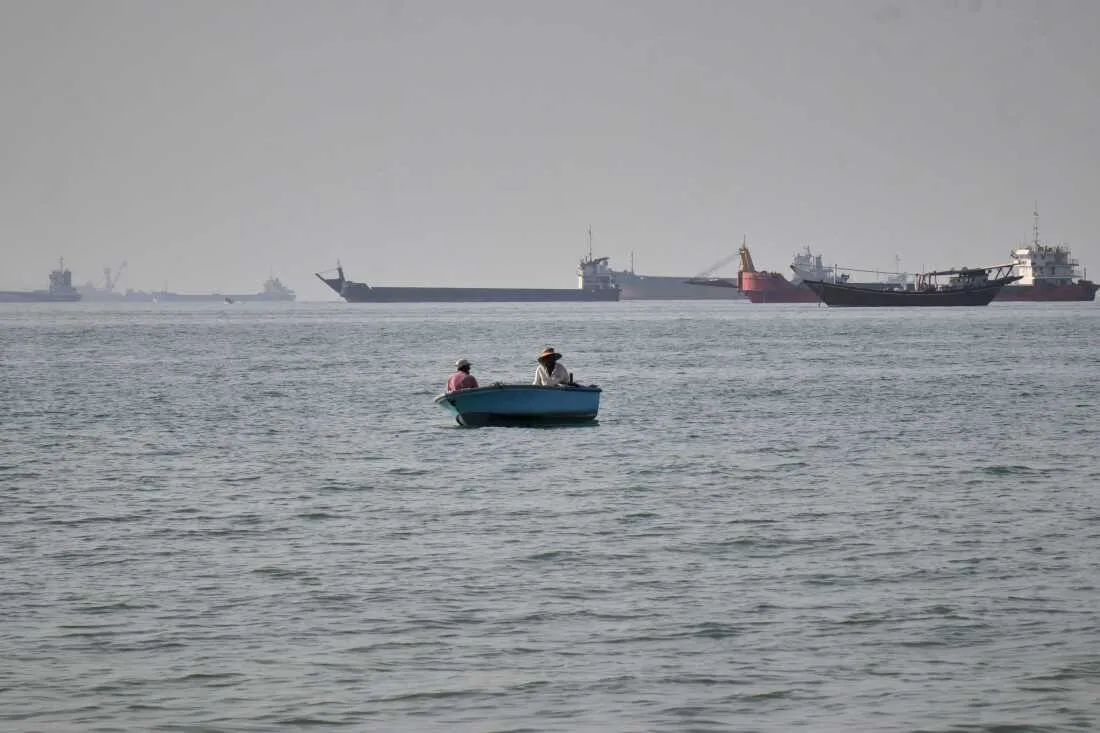
The incidents represent a fresh escalation in a region that has seen repeated maritime confrontations over the past several years, with the Strait of Hormuz serving as the recurring flashpoint. The strait is the narrow chokepoint through which roughly 20% of the world's oil supply passes, which means any instability there has a way of making energy markets very nervous very quickly.
Why this matters beyond the headlines
The Strait of Hormuz is essentially the jugular vein of global oil supply. Iran has long viewed control and influence over the strait as a major strategic lever - particularly during periods of heightened tension with Western powers or when sanctions are biting hard. Ship seizures in the area are not unprecedented; Iran has previously detained vessels it accused of smuggling or violating its territorial claims, though the circumstances of each incident vary significantly.
What makes the current situation worth watching closely is the combination of events - a seizure AND a sinking in quick succession suggests this is not a one-off provocation. NPR reports that another ship was attacked and sank near Oman's coast, though full details on responsibility and the nature of the attack are still emerging.
What we don't know yet
Key details remain unconfirmed at this stage, including who exactly is responsible for the attack that sank the second vessel, the nationalities and cargo of the ships involved, and whether any crew members were harmed. These are the kinds of details that will shape how serious the international response becomes.
For now, this is a situation that bears close watching - especially for anyone who drives a car, heats a home, or just generally prefers the global economy to not have a complete meltdown. Stay tuned, because the Strait of Hormuz is clearly not done making headlines.