If you were hoping for some good news out of Sudan this week, you are going to want to sit down - because the international community has collectively looked at what is happening in el-Obeid and responded with the diplomatic equivalent of a five-alarm fire siren.
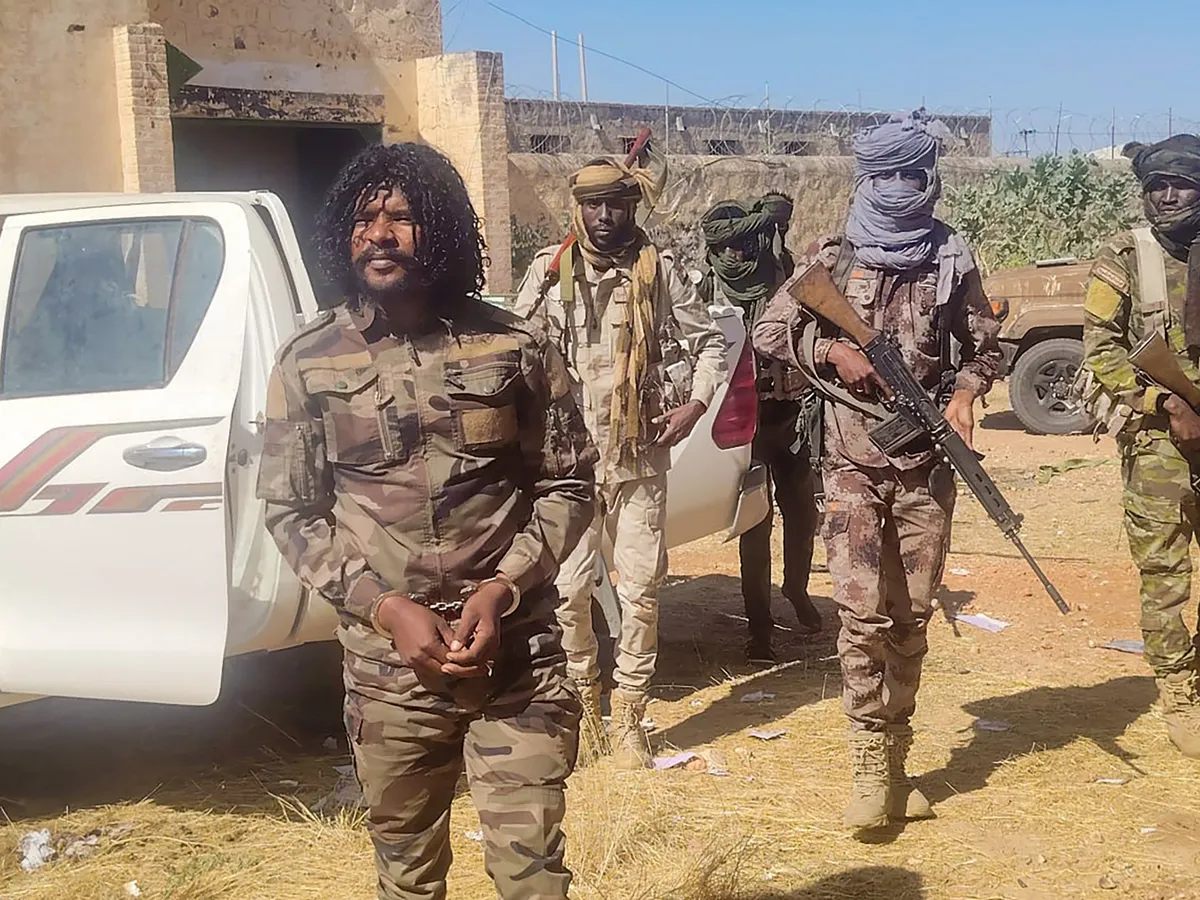
According to Al Jazeera, dozens of countries have joined the United Nations in issuing stark warnings about grave human rights violations unfolding in North Kordofan, Sudan's central region, amid a dangerous escalation of fighting around the city of el-Obeid. The joint warnings call for maximum pressure to be applied on both the Rapid Support Forces (RSF) and the Sudanese Armed Forces (SAF) - meaning, for once, neither side gets to play the good guys.
What is happening in el-Obeid?
El-Obeid is the capital of North Kordofan state and a strategically significant city that has increasingly found itself in the crosshairs of Sudan's brutal civil war, which erupted in April 2023 between the SAF and the RSF. The latest escalation has drawn urgent attention from the international community, with the UN and its allies warning that civilians are bearing the catastrophic cost of this power struggle.
The warnings describe what observers characterize as serious violations of international humanitarian law - a phrase that sounds bureaucratic but translates, in plain terms, to: people are being hurt in ways that are absolutely not acceptable under any rules of war that humanity has managed to agree on.
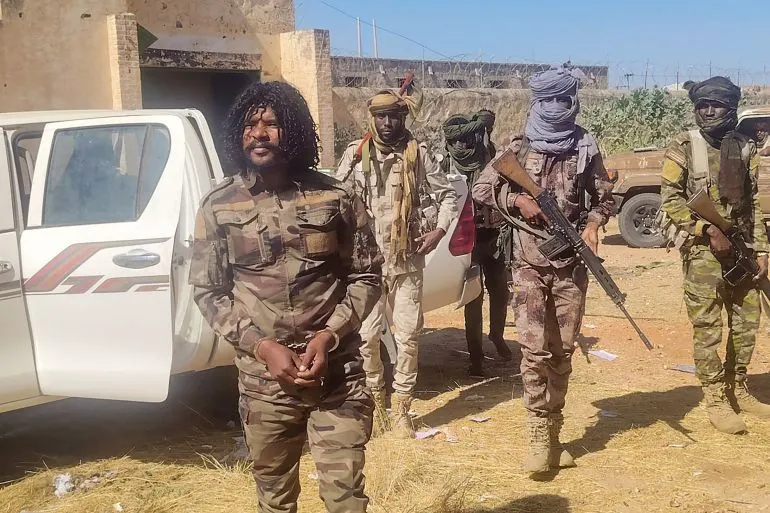
Both sides on blast
What makes the international response particularly notable is its even-handedness - or more accurately, its equal-opportunity condemnation. Rather than picking a side, the dozens of signatory nations are essentially telling both the RSF and the SAF to stop treating North Kordofan like a disposable battlefield. The call for "maximum pressure" signals that diplomatic patience, already stretched thin after more than two years of conflict, is running critically low.
Sudan's civil war has already produced one of the world's worst humanitarian crises, displacing millions and pushing parts of the country toward famine conditions. El-Obeid, as a regional hub, represents yet another front in a conflict that keeps finding new places to expand.
So what happens next?
That, unfortunately, is the part nobody has a great answer to. International warnings have been issued before regarding Sudan, and the fighting has continued regardless. But the breadth of the coalition now speaking out - dozens of countries alongside the UN - at least signals that global attention has not entirely moved on, even as other crises compete for headlines.
Whether words translate into meaningful action remains, as ever, the defining question of international diplomacy.
Source: Al Jazeera