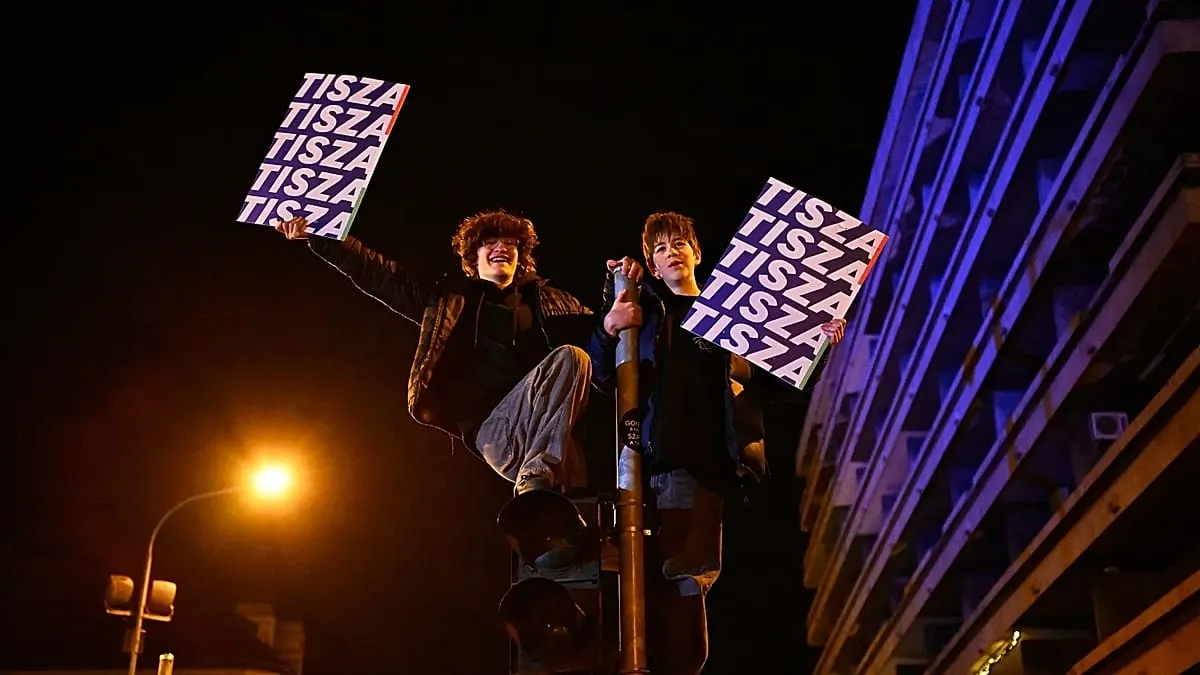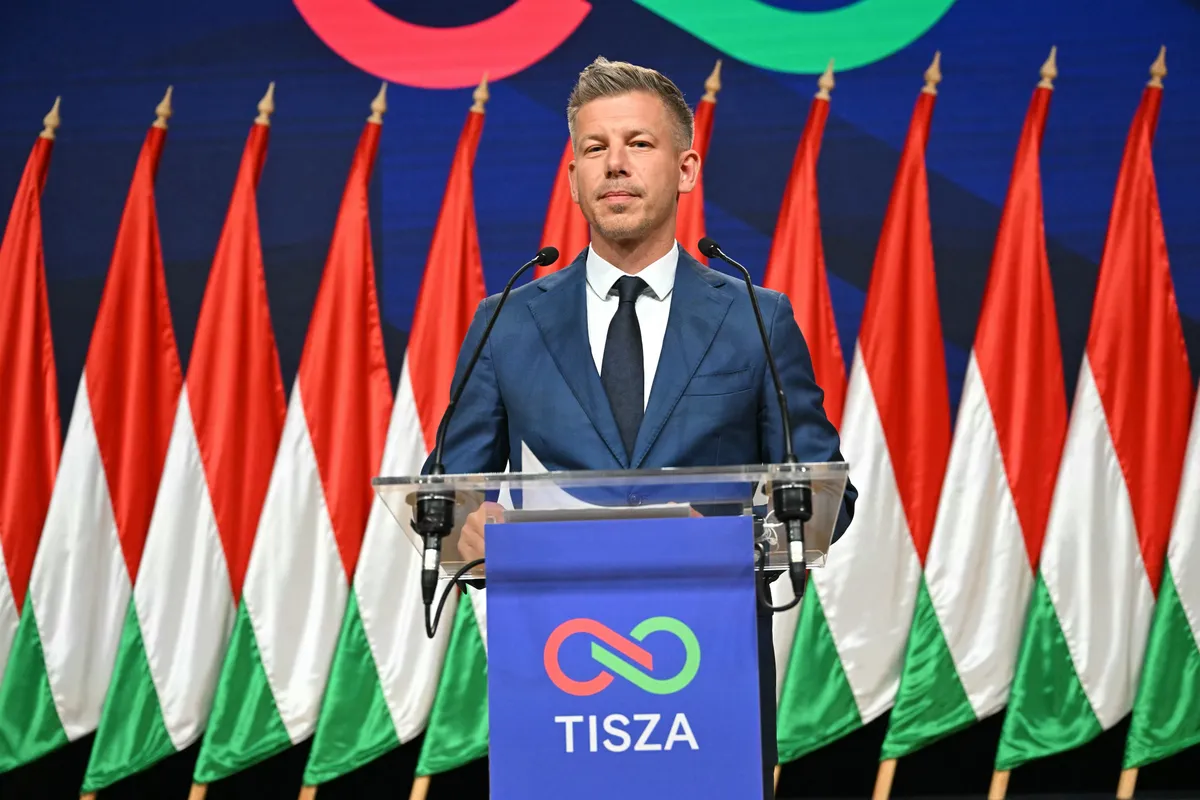
Péter Magyar has been elected Hungary's new prime minister, ending Viktor Orbán's grip on power that had lasted 16 years, according to reporting by NPR. Magyar's victory on Sunday was described as a landslide, marking one of the most significant political shifts in the country's post-communist history.
Magyar emerged as a prominent opposition figure only in 2024, making his rapid rise to the country's highest office remarkable by any political standard. Before his break with the ruling establishment, he was considered a loyalist within Orbán's political circle.
From insider to opposition leader
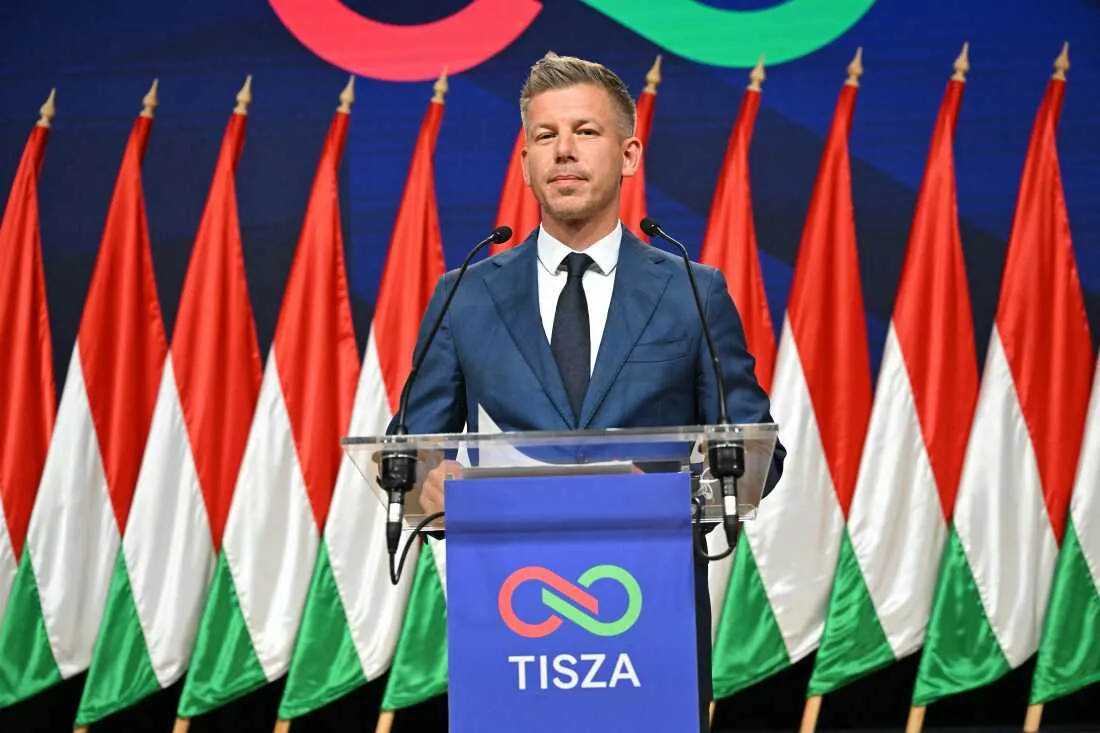
Magyar's background as a former Orbán ally gave him a distinctive platform when he turned against the ruling Fidesz party. His insider knowledge of the Hungarian government allowed him to speak with credibility about the administration's inner workings, which proved a powerful tool in building opposition support.
His emergence in 2024 came at a time when Orbán's government faced growing domestic criticism over corruption allegations, economic pressures, and democratic backsliding concerns that had drawn repeated scrutiny from the European Union.
A reshaped political landscape
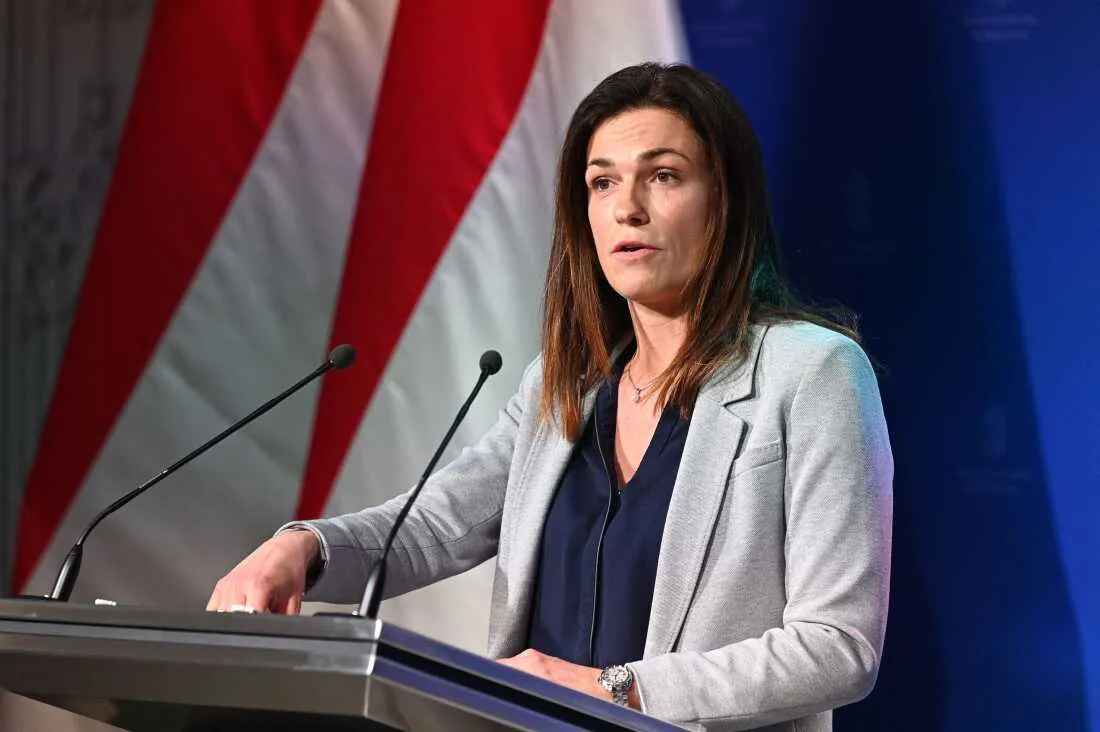
Orbán had dominated Hungarian politics since returning to power in 2010, winning successive supermajorities in parliament and remaking the country's constitution, judiciary, and media environment. His government became a focal point of tension between Hungary and EU institutions in Brussels over rule-of-law standards.
Magyar's victory signals a potentially significant shift in Hungary's relationship with European partners. Orbán had positioned Hungary as a dissenting voice within the EU, often blocking bloc-wide measures on issues ranging from migration to support for Ukraine.
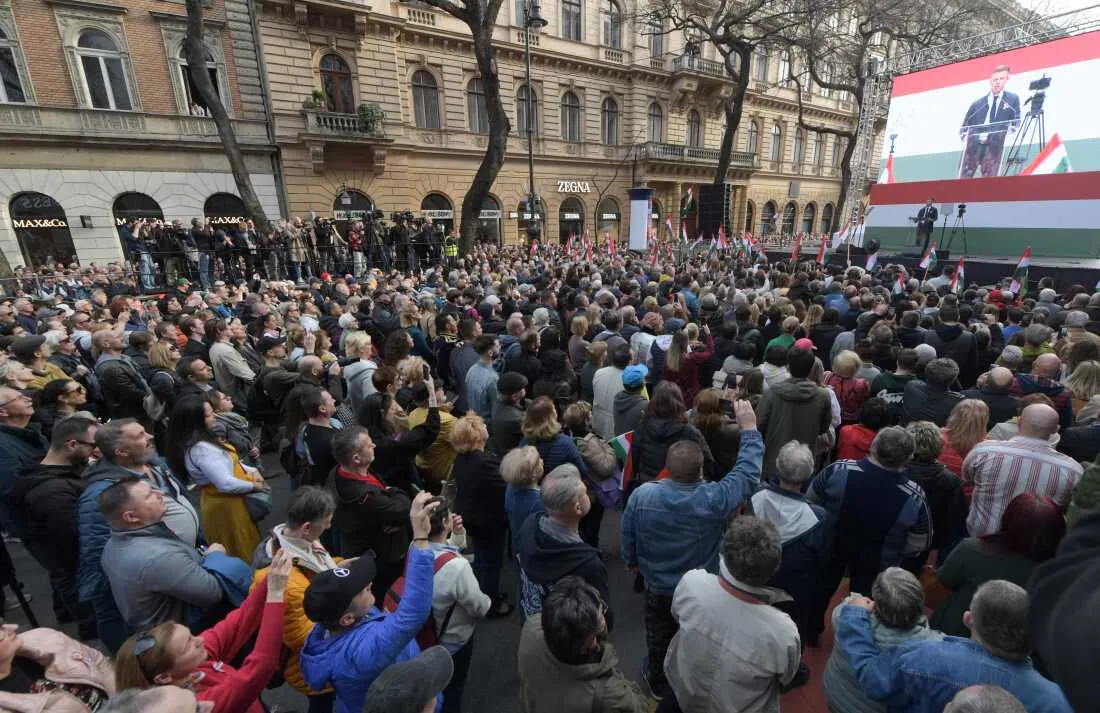
The scale of Magyar's win suggests broad public appetite for change after more than a decade and a half of single-party dominance, though the full composition of the new parliament and the scope of Magyar's governing mandate were not immediately detailed in early reporting.
What comes next
Magyar now faces the challenge of governing a country whose institutions were substantially restructured under Orbán's tenure. Questions remain about how quickly, or whether, he will seek to reverse constitutional and legal changes made during that period.
His foreign policy orientation and approach to Hungary's EU membership will be closely watched by European capitals and by Kyiv, given Hungary's role in periodically blocking EU aid packages to Ukraine under the previous government.
NPR reported five key aspects of Magyar's background and political trajectory as the scale of his victory became clear, underscoring how little-known he remained to international audiences despite his swift ascent within Hungary.