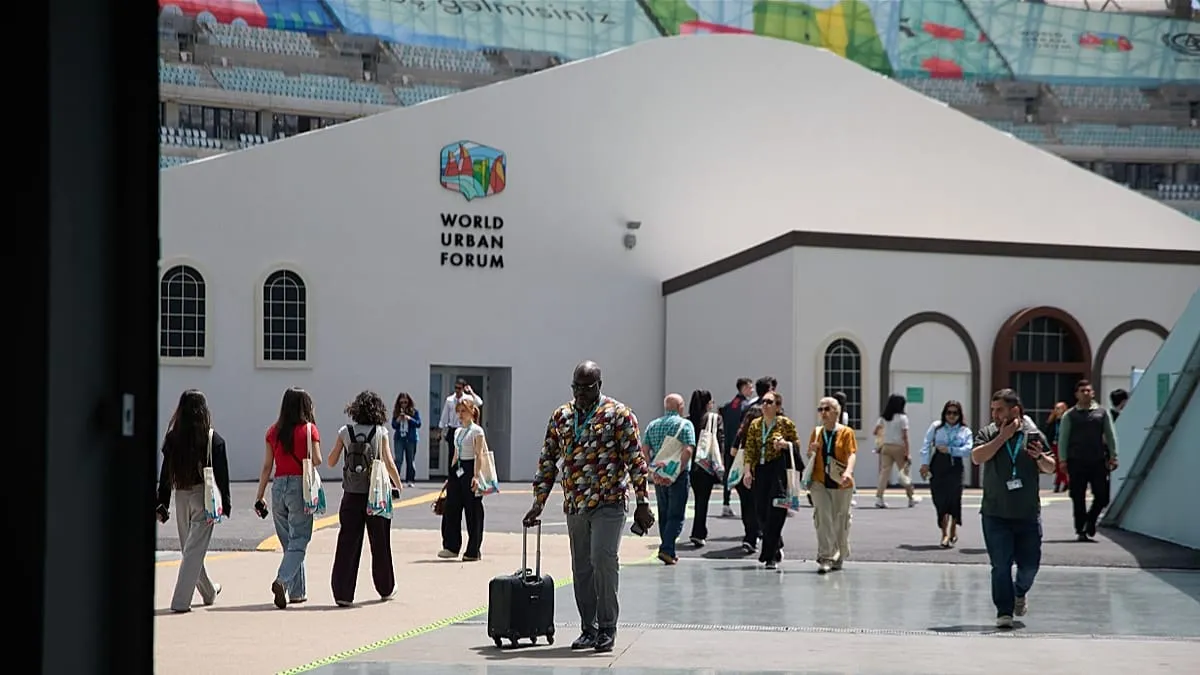
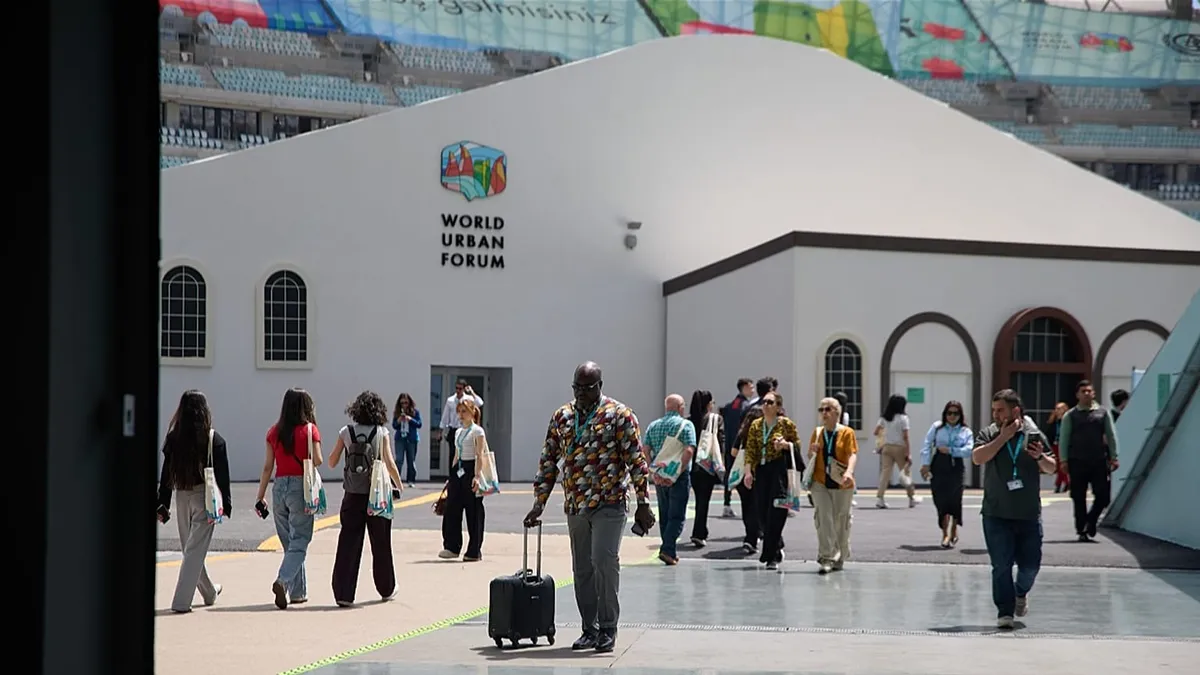
The 13th World Urban Forum (WUF13) wrapped up in Baku, Azerbaijan on Friday, and if you were hoping for reassuring news about the future of cities, well - grab a seat and take a deep breath.
According to Euronews, this year's forum was the biggest edition yet, and the conversations went well beyond debating whether brutalist architecture slaps or whether your city needs another glass skyscraper nobody asked for. The real agenda was far more urgent: how do cities survive the absolute gauntlet of challenges being thrown at them right now?
So what exactly is threatening your city?
Glad you asked. Forum participants apparently identified a genuinely alarming four-horsemen situation facing urban centres worldwide:
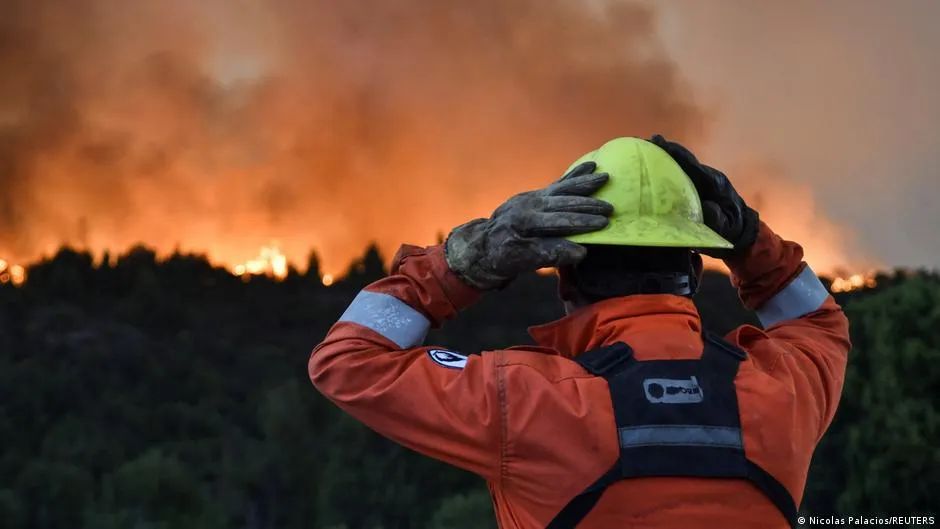
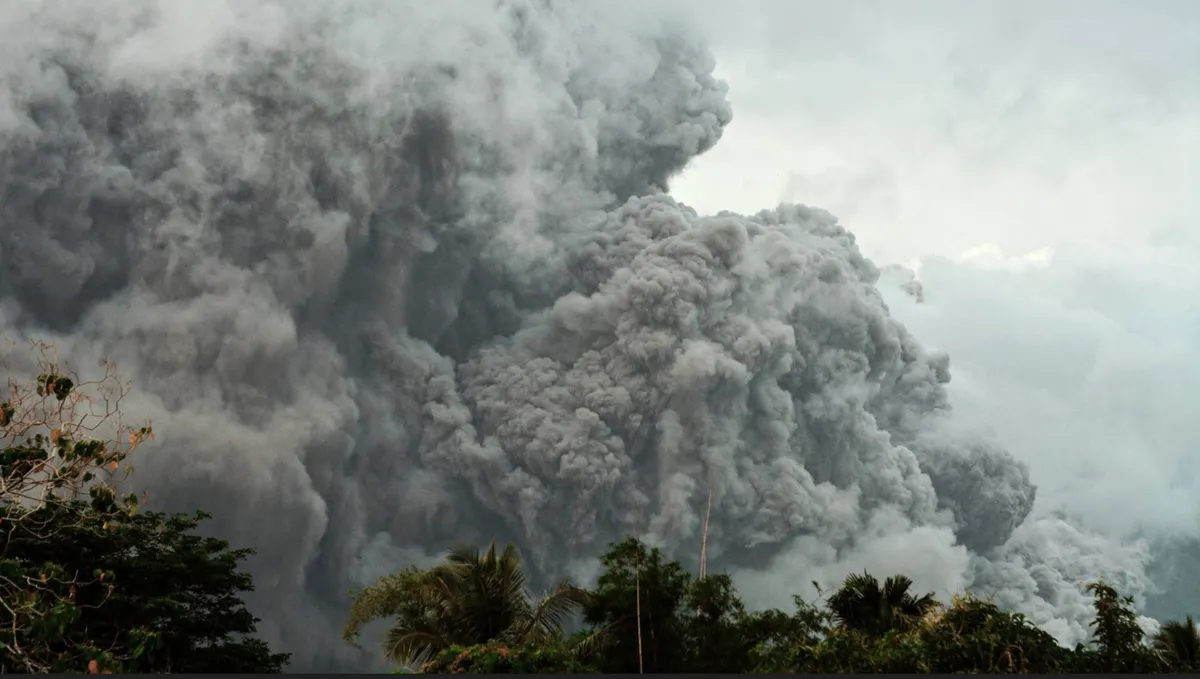
- Conflict - Cities are increasingly becoming frontlines rather than safe havens.
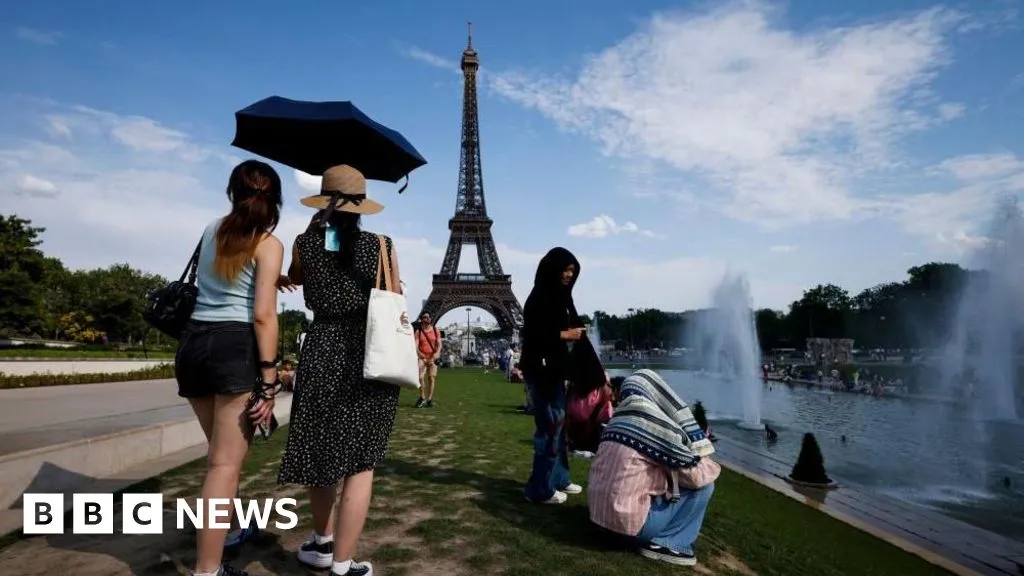
- Climate change - Heat waves, floods and extreme weather are hitting urban populations hardest.
- Rapid urbanisation - More people are flooding into cities faster than infrastructure can realistically keep up.
- Inequality - The gap between who gets a functioning city and who gets left behind keeps widening.
The part where everyone agrees something must be done
The forum closed with what delegates framed as a global call for action - the kind of dramatic finale that makes you feel momentarily galvanised before Monday rolls back around. The central question animating discussions was not merely about building better skylines or smarter metro systems, but rather how cities can actually absorb these compounding shocks without abandoning their most vulnerable communities in the process.
It is a genuinely difficult problem. Cities have historically been engines of opportunity, but when conflict, climate disasters and runaway growth all show up at the same time, the communities with the least resources tend to get flattened first.
What happens next?
That, somewhat predictably, remains the thorny bit. Forums of this scale are brilliant at diagnosing problems and generating urgency, but translating a Baku declaration into actual policy changes in Lagos, Jakarta or Lima requires political will, funding and coordination that does not materialise from hashtags alone.
Still, the sheer scale of WUF13 - described as the largest edition of the forum to date - does suggest that urban policymakers, architects, community advocates and government officials are at least in the same room, which is arguably a starting point.
Whether your city ends up resilient or absolutely cooked may depend on what those people do when they get home.