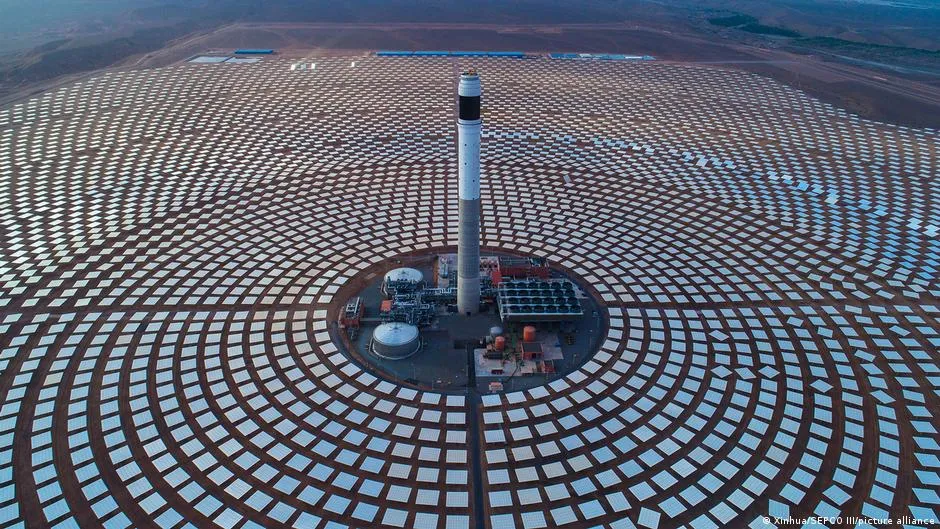
Morocco planted a glittering, sun-drenched monument to clean energy ambition smack in the middle of the Saharan desert, and on paper, it sounds like the plot of a utopian sci-fi novel. In practice, according to a report by Deutsche Welle, reality has been doing what reality does best: complicating things.
The crown jewel
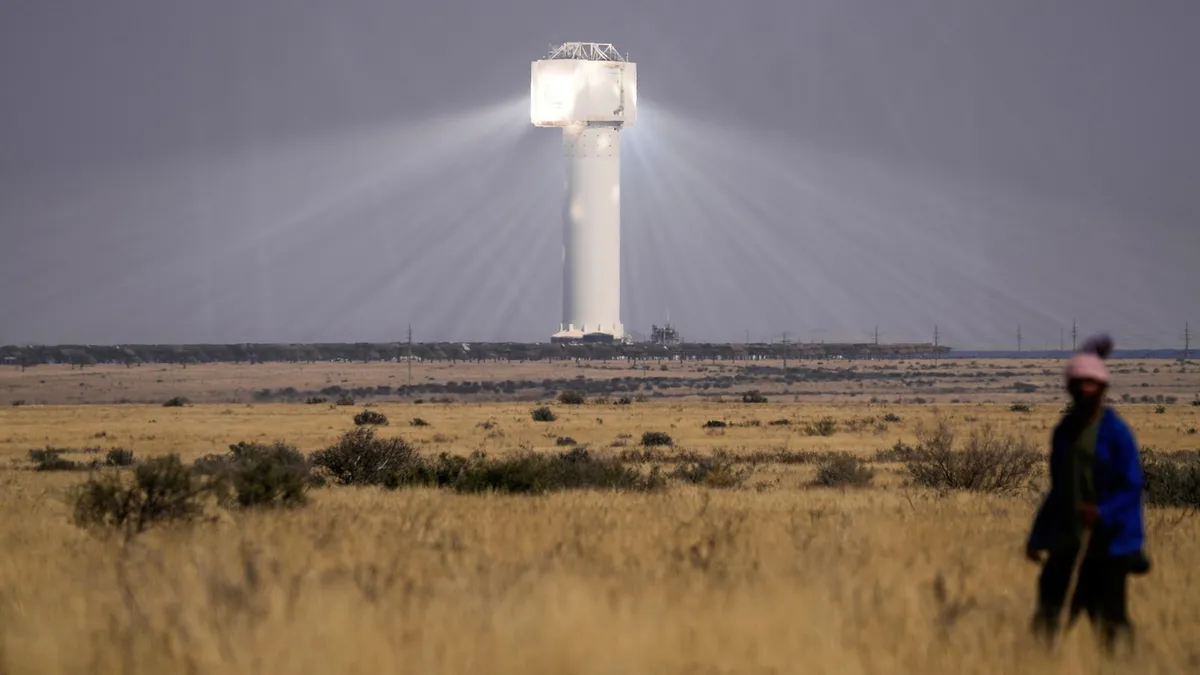
The Noor Ouarzazate Solar Complex, which includes a towering concentrated solar power (CSP) plant visible from miles away, represents Morocco's bold bet on renewable energy independence. The country has essentially zero domestic oil or gas reserves, which makes the logic of going solar about as obvious as putting sunscreen on at the beach. The complex is one of the largest solar installations in the world, and Morocco has set itself the target of getting 52% of its electricity from renewables by 2030.
That is, genuinely, not a small ambition for a developing nation. Morocco deserves real credit for thinking this big.
So what's the catch?
Fossil fuels, as they so often do, crashed the party. DW reports that despite the dazzling infrastructure, Morocco still relies heavily on coal and other fossil fuels to meet its actual energy demands day to day. The solar plants, while operational, have faced challenges around grid integration - meaning that even when the sun is doing its absolute best, getting that clean electricity efficiently into homes and businesses remains a work in progress.
CSP technology, unlike standard photovoltaic panels, uses mirrors to concentrate sunlight and generate heat-driven electricity - and it can store energy for use after sunset, which is genuinely cool. But it is also expensive to build and maintain, and the economics have proved trickier than the brochure suggested.
The bigger picture
Morocco's situation is not unique. Across the developing world, countries are discovering that building renewable capacity is only half the battle. Grid infrastructure, financing, and the sticky political economy of existing fossil fuel industries make the transition genuinely hard - even when the sun literally never stops shining on your desert.
Still, analysts and observers cited by DW acknowledge that Morocco is further along than most of its regional peers, and the Ouarzazate complex remains a symbol of what is possible when political will meets geographic luck.
Whether that symbol eventually powers the whole country, or just looks really impressive in drone footage, probably depends on what happens with grid investment in the next decade.
No pressure, Morocco. Just the future of clean energy in Africa kind of riding on it.