A formal inquiry into the Southport stabbing attack that killed three young girls has concluded the tragedy could have been prevented, finding that both the attacker's parents and state agencies failed to act on clear signs of his violent tendencies, according to a report cited by Deutsche Welle.
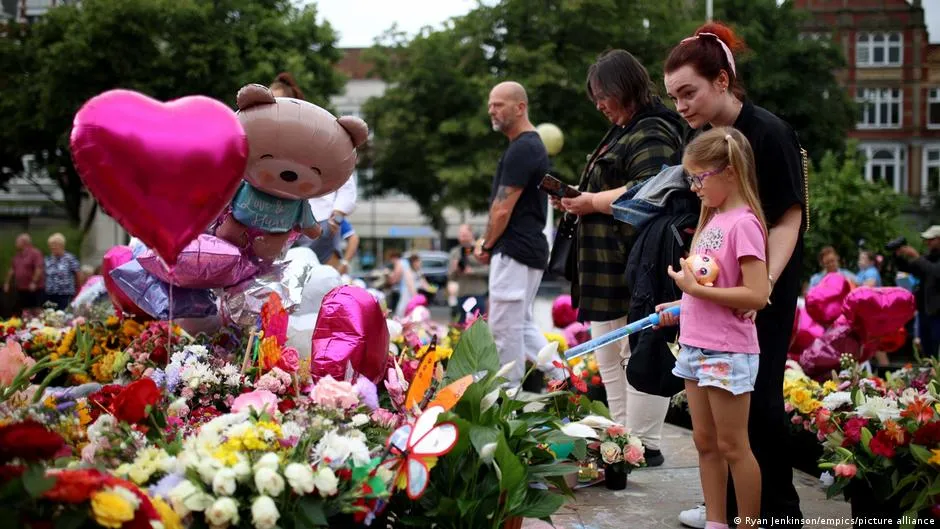
The attack targeted a Taylor Swift-themed dance class in the northern English town of Southport in July 2024. The three victims were among a group of children attending the event when they were fatally stabbed. Several other children and adults were also injured in the assault.
Failures identified at multiple levels
The report determined that warning signs about the attacker's behavior had been present but went unaddressed. It found that neither his parents nor state authorities took sufficient steps to intervene before the violence occurred, despite opportunities to do so.
The inquiry represents a formal attempt to understand how the attack unfolded and what systemic or individual failures may have contributed to it. Such reviews are a standard part of the UK's response to major violent incidents and are intended to inform future safeguarding policy.
Aftermath and wider impact
The Southport attack had significant consequences beyond the immediate tragedy. In the days following the stabbings, the incident became a flashpoint for widespread civil unrest across England, with riots breaking out in multiple cities. Misinformation about the attacker's identity circulated rapidly on social media and was widely cited as a factor in escalating the disorder.
The attacker, Axel Rudakubana, was subsequently convicted and sentenced to a minimum of 52 years in prison. He pleaded guilty to the murders of the three girls - Bebe King, aged six; Elsie Dot Stancombe, aged seven; and Alice da Silva Aguiar, aged nine - as well as to 10 counts of attempted murder and other charges.
Calls for accountability
The finding that the attack was preventable is likely to intensify scrutiny of child safeguarding systems in the United Kingdom and raise questions about the responsibilities of both families and public institutions when warning signs of violent behavior emerge in young people.
Authorities and victim support groups are expected to respond to the report's findings in the coming days. The inquiry's conclusions may prompt legislative or procedural changes to how potential threats are assessed and managed by relevant agencies.