In what environmentalists are calling a conservation nightmare and energy executives are calling a Tuesday, the Trump administration is aggressively pushing to open up America's national parks and public lands to fossil fuel extraction, logging, and potential sell-offs, according to a report by Deutsche Welle.
So what exactly is on the table?
The administration's "drill baby drill" energy agenda - a phrase Trump has repeated with the enthusiasm of someone who just discovered a catchphrase - involves rolling back conservation protections that have been in place for decades. The push includes expanding fossil fuel and timber extraction on public lands that were previously shielded from industrial activity.
These aren't random patches of dirt, either. We're talking about lands that belong, at least in theory, to every American citizen - including the ones who like hiking, camping, bird-watching, or simply knowing that a pristine wilderness exists somewhere while they sit in traffic.
The bigger picture
Public lands in the United States cover roughly 640 million acres, managed by agencies like the Bureau of Land Management and the National Park Service. For context, that's an area larger than the entire European Union, and the Trump administration appears to be treating it like an untapped resource buffet.
Critics argue that the policy rollbacks represent a dramatic and potentially irreversible shift in how the U.S. manages its natural heritage. Conservation groups have raised alarms about the long-term ecological damage that industrial extraction could inflict on ecosystems that took thousands of years to develop but could be disrupted in a fraction of that time.
Supporters say: jobs and energy independence
Proponents of the move, however, frame it as a matter of economic necessity and national energy independence. The argument goes that sitting on top of vast energy reserves while importing fuel is, to put it diplomatically, not great strategy.
It's a genuine debate with legitimate points on both sides - though it's slightly harder to take the "economic benefits" argument at face value when the lands in question are also priceless cultural and ecological treasures that generate billions through tourism every year.
What happens next?
Legal challenges are already brewing, with environmental organizations preparing to contest the rollbacks in court. Whether those challenges succeed will likely depend on a judicial system that is itself being reshaped by the current administration.
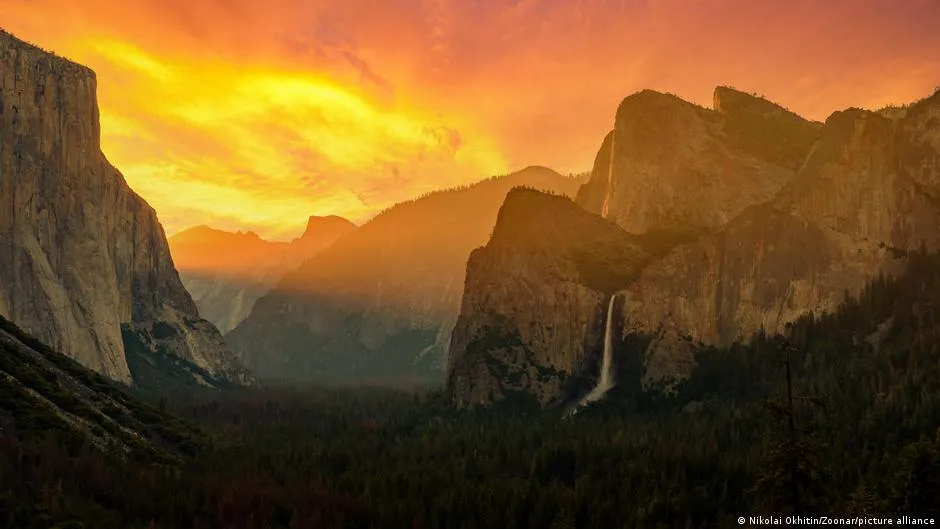
In the meantime, America's national parks - those grand, democratic spaces that writer Wallace Stegner once called "the best idea we ever had" - are waiting to find out if their next chapter involves oil derricks or remains one of hiking trails and breathtaking sunsets.