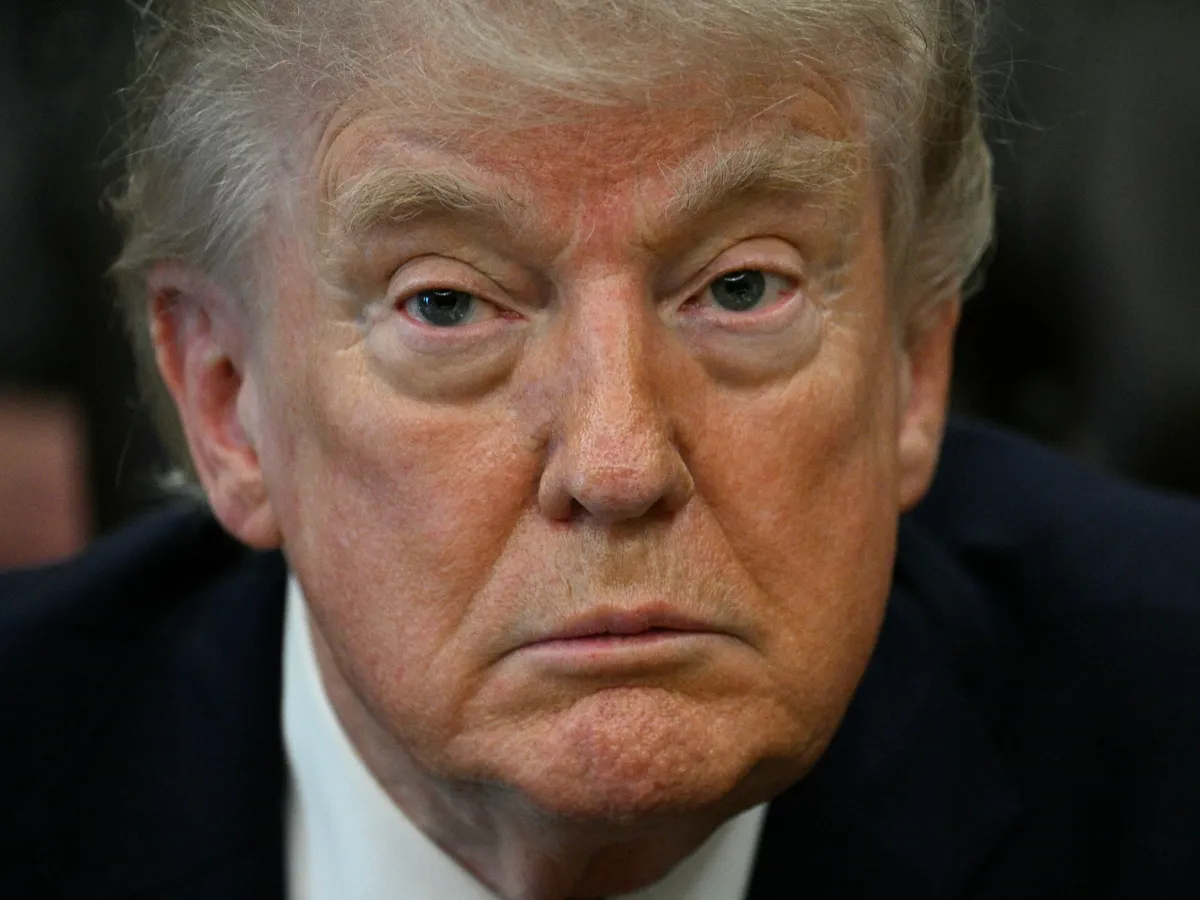
President Donald Trump has announced that American negotiators will travel to Islamabad for ceasefire talks with Iran, even as he accused Tehran of violating an existing truce and warned of severe repercussions if violations continued, according to reporting by Al Jazeera.
The announcement marks a significant diplomatic development, with Pakistan positioned as a neutral venue for dialogue between Washington and Tehran at a time of heightened tensions between the two countries.
Dual-track approach of talks and warnings
Trump's decision to dispatch negotiators to Pakistan came alongside sharp rhetoric directed at Iran. The president accused Iranian authorities of breaching terms of a ceasefire already in place, while simultaneously signaling a willingness to pursue a diplomatic resolution through third-party mediation.
The choice of Islamabad as a venue reflects Pakistan's role as a country that maintains lines of communication with both the United States and Iran, making it a viable location for sensitive backchannel or formal negotiations.
Context and stakes
The announcement adds another layer of complexity to the already fraught relationship between Washington and Tehran. Iran has faced sustained pressure from the United States over its nuclear program, regional influence, and support for various armed groups across the Middle East.
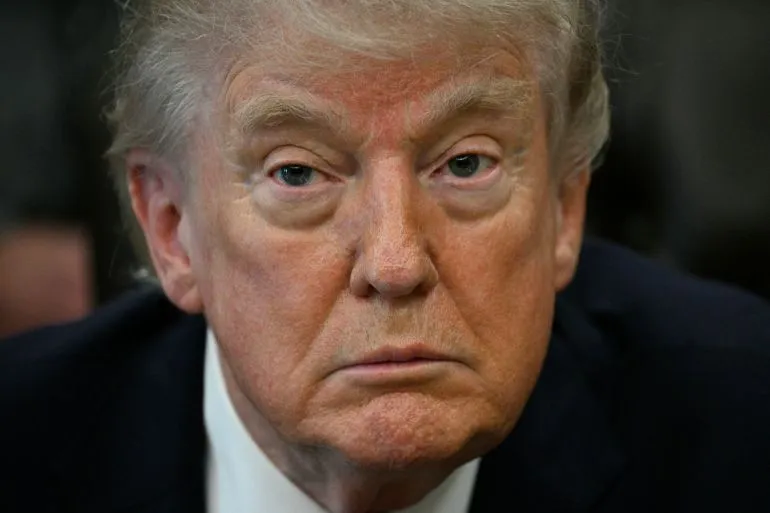
Ceasefire talks hosted in a third country suggest both sides may be seeking an off-ramp from escalation, even as public statements from Trump maintained a confrontational tone toward the Iranian government.
The use of Pakistan as a diplomatic intermediary or host nation is notable. Islamabad has historically sought to balance its relationships across competing regional and global powers, and has previously played facilitating roles in sensitive international negotiations.
What comes next
The timeline for the talks and the specific issues on the negotiating table were not detailed in the initial announcement. It remains unclear whether Iran has publicly acknowledged or confirmed its participation in the proposed Islamabad discussions.
Trump's simultaneous accusations of ceasefire violations and extension of a diplomatic olive branch through the Pakistan talks reflects the contradictory pressures shaping U.S. policy toward Iran - where maximum pressure tactics coexist with periodic openings for negotiation.
The outcome of any talks in Islamabad could have significant implications for regional stability, particularly given Iran's relationships with armed groups operating across Lebanon, Gaza, Iraq, Syria, and Yemen.