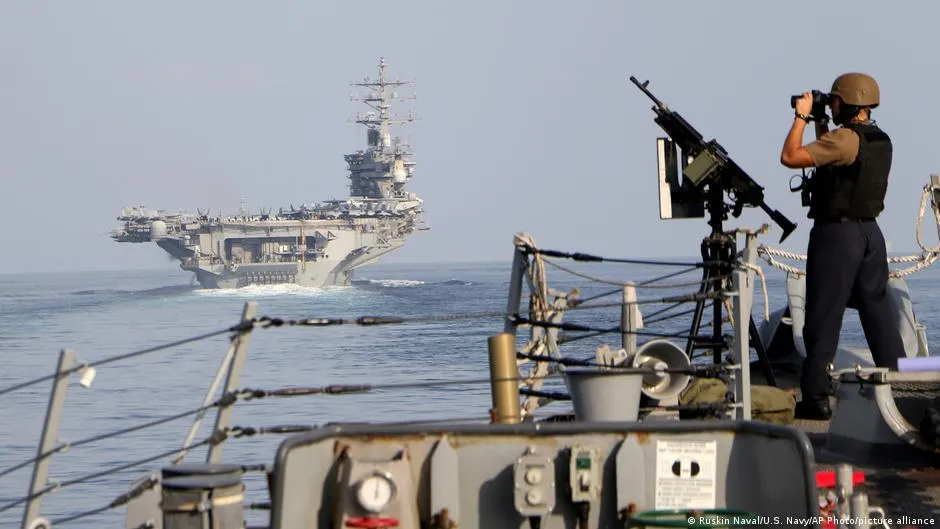
The United States has moved to restrict Iran's maritime trade in a significant escalation of economic pressure, with a naval blockade aimed at halting the bulk of Iran's oil exports, according to reporting by Deutsche Welle.
Oil revenues represent Tehran's principal source of hard currency, and the restrictions are designed to severely constrain the Iranian government's financial capacity. The move is the latest in a series of pressure tactics employed by the administration of President Donald Trump, which has pursued a strategy of maximum economic coercion against Iran.
Diplomatic stakes
The central question raised by analysts is whether the intensified pressure will push Tehran toward renewed negotiations over its nuclear program, or whether it will harden Iranian positions and risk a broader regional confrontation.
Iran has previously signaled conditional willingness to engage in talks, but Iranian officials have also warned repeatedly that economic pressure and threats will not produce concessions. The country has, in recent years, significantly advanced its uranium enrichment activities, a development that has alarmed Western governments and regional neighbors alike.
Oil exports and sanctions evasion
Iran has maintained a degree of oil export activity despite existing sanctions, largely through a so-called shadow fleet of tankers that obscure the origin of shipments, primarily selling to buyers in China and other markets willing to purchase discounted Iranian crude. A more active naval enforcement posture by the United States would represent a direct challenge to those workarounds.
The economic consequences for Iran could be severe. Inflation has already run at high levels inside the country, and the Iranian rial has faced sustained depreciation pressure. Further curtailing oil revenues would likely deepen those domestic economic strains.
Regional and global implications
The maritime restrictions also carry potential implications for broader shipping security in the Persian Gulf region, through which a substantial share of global oil supplies transits. Any confrontation at sea between US naval assets and Iranian vessels - or proxies - could rapidly affect energy markets worldwide.
As of the time of reporting by Deutsche Welle, it remained unclear how strictly the blockade would be enforced and what specific rules of engagement had been established. The situation is described as fluid, with diplomatic back-channels still reportedly active even as military positioning intensifies.
Analysts cited in the report noted that the outcome would depend heavily on whether Tehran calculates that engagement offers more favorable terms than continued defiance - a calculation that previous rounds of US sanctions pressure have not consistently produced.