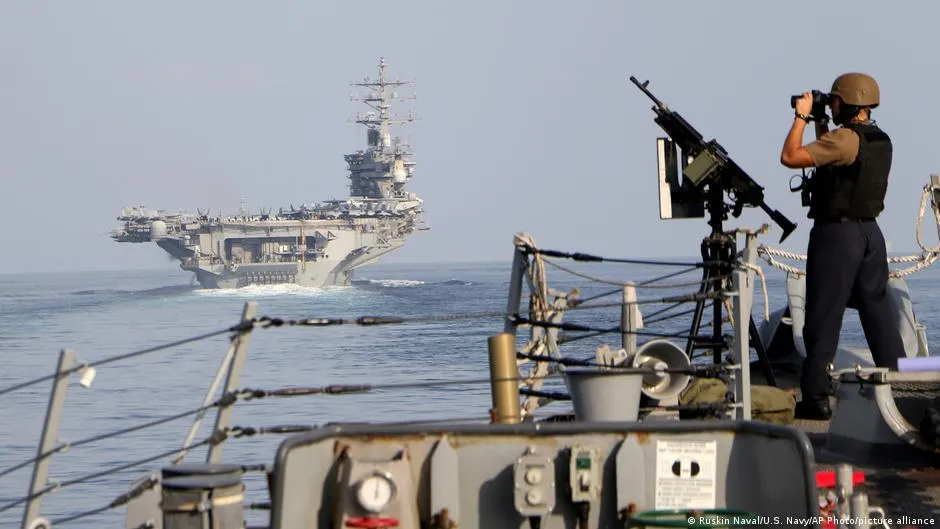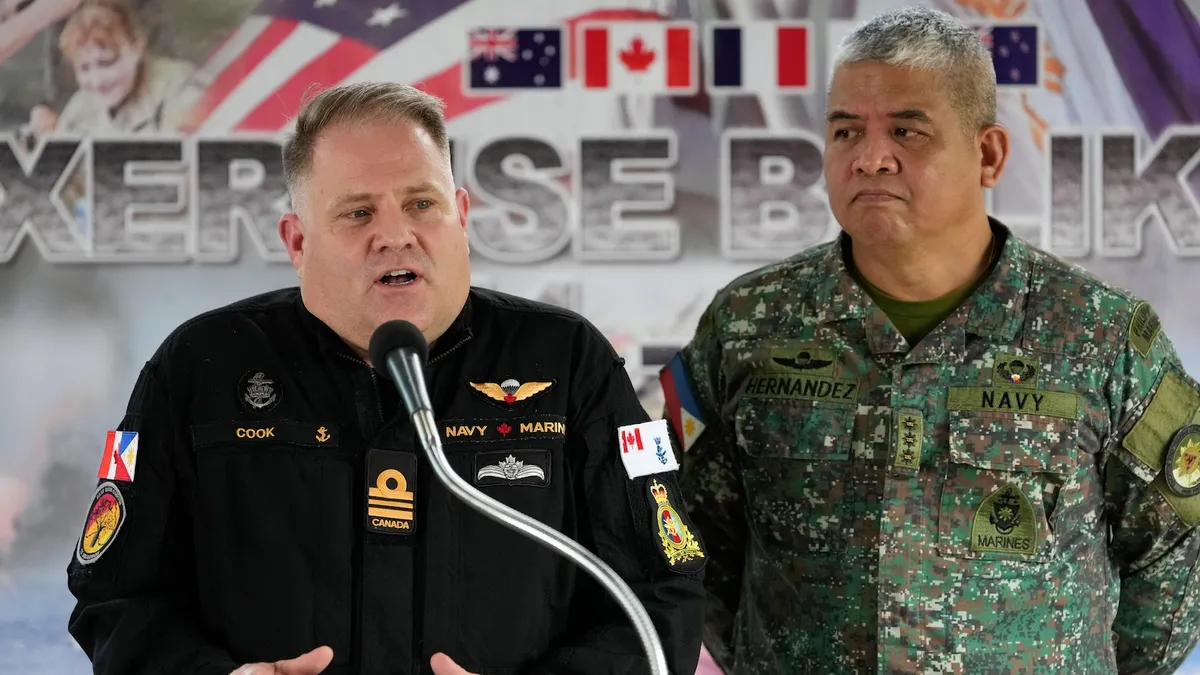
The United States and the Philippines have launched large-scale joint military exercises involving more than 17,000 personnel from both countries, according to officials cited by ABC News. The drills are designed to signal Washington's continued security commitment to the Asia-Pacific region at a time when American forces are also engaged in operations against Iran-backed groups in the Middle East.
The annual exercises, known as Balikatan - a Filipino word meaning "shoulder to shoulder" - represent one of the most significant recurring military partnerships between the two nations. Officials described this year's iteration as among the largest in the exercise's history.
Balancing Pacific and Middle East priorities
The timing of the drills draws attention to the dual demands currently facing the US military. American forces have been conducting operations targeting Iran-linked groups in the Middle East while simultaneously maintaining a robust posture in the Indo-Pacific, a region that US defense planners have identified as a top strategic priority.
Officials used the exercises to emphasize that Washington's military engagement in one region does not diminish its obligations to treaty allies in Asia. The Philippines and the United States are bound by a mutual defense treaty signed in 1951, which commits each country to support the other in the event of an armed attack.
Regional context
The exercises come against a backdrop of heightened tensions in the South China Sea, where the Philippines has faced repeated confrontations with Chinese coast guard and maritime militia vessels near disputed reefs and shoals. Manila has grown increasingly assertive in pushing back against what it describes as harassment of its vessels and personnel operating within its exclusive economic zone.
The US has repeatedly stated that its mutual defense commitments to the Philippines extend to Philippine armed forces, public vessels, and aircraft in the South China Sea.
China has consistently criticized joint US-Philippine military exercises, framing them as destabilizing to the region. Beijing claims nearly the entirety of the South China Sea, a position that an international arbitration tribunal rejected in 2016 - a ruling China does not recognize.
Scale of the exercises
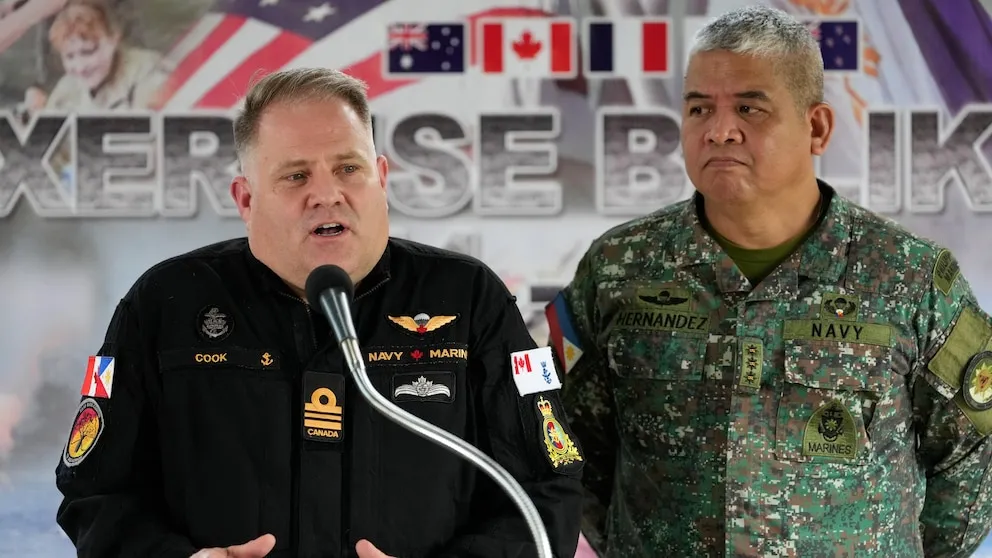
The participation of more than 17,000 troops from both militaries places this year's Balikatan among the exercise's most substantial editions. The drills typically involve live-fire training, amphibious landing simulations, humanitarian assistance scenarios, and interoperability training between the two militaries.
Philippine and American officials have framed the exercises as defensive in nature and consistent with both countries' rights under international law.