If you were hoping for a straight answer from the Trump administration on whether gas prices will drop anytime soon, buckle up - because apparently, nobody in the Cabinet got the same memo.
According to a report from The Hill, President Trump and his top officials are sending conflicting signals on gas prices at a time when Americans are already sweating over the economic ripple effects of escalating tensions with Iran. Nothing says "stable governance" quite like a game of mixed-message bingo played at the pump.
So what are they actually saying?
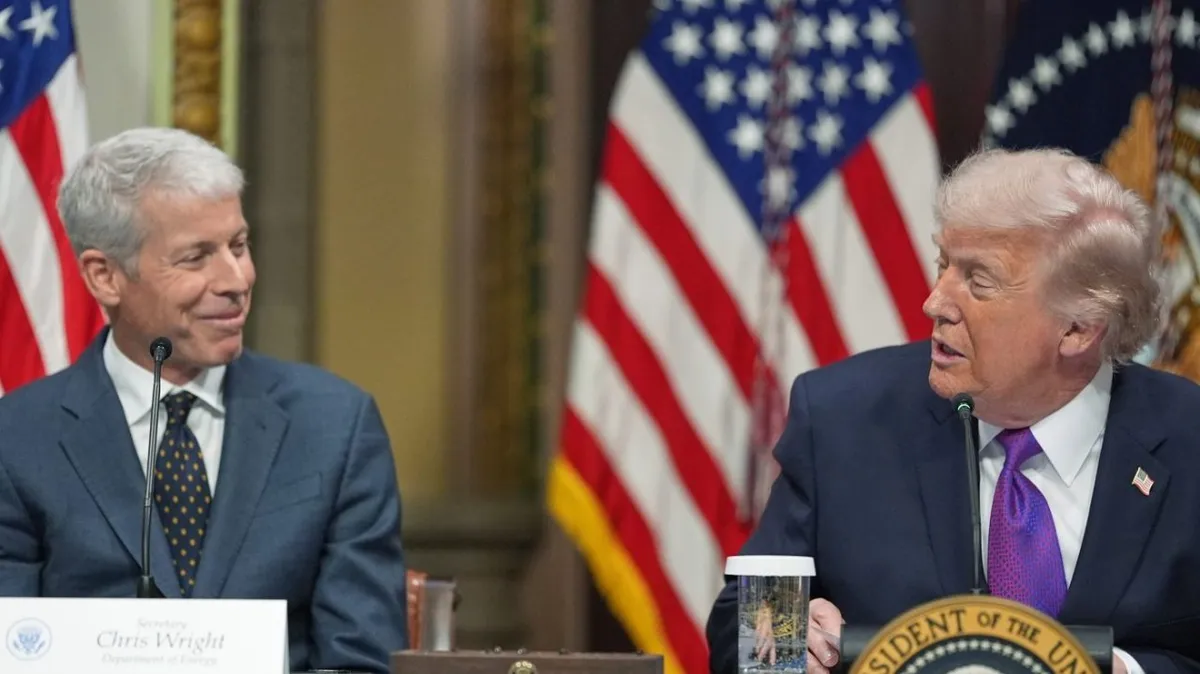
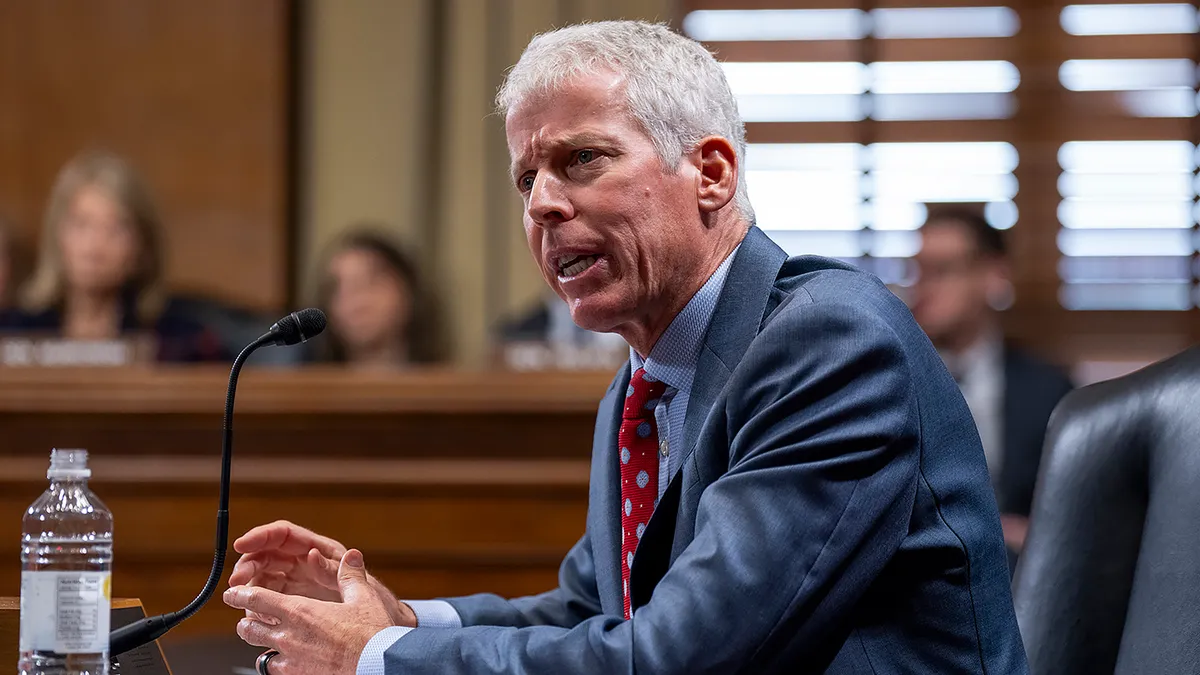
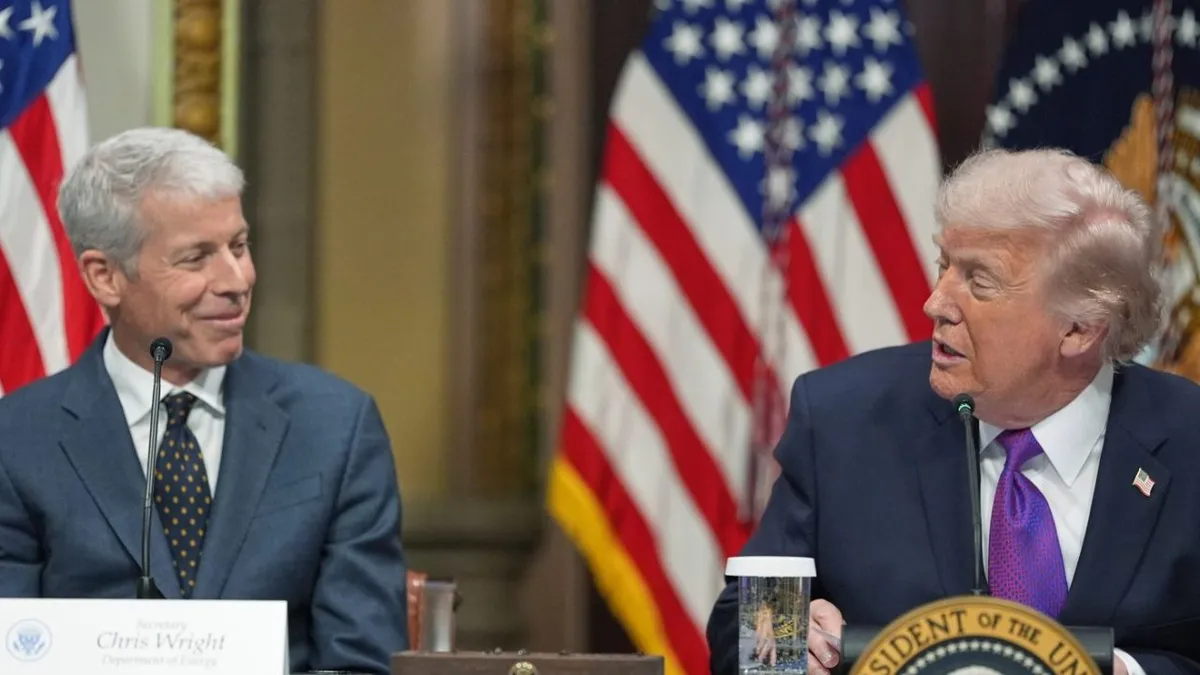
Energy Secretary Chris Wright appeared on CNN over the weekend and offered what you might generously call a "tempered outlook" - suggesting that gas prices may not actually fall in the near term. This is a notably different tune from the more optimistic notes the administration has struck in other settings, where cheaper energy has been floated as one of the crown jewels of Trump's second-term agenda.
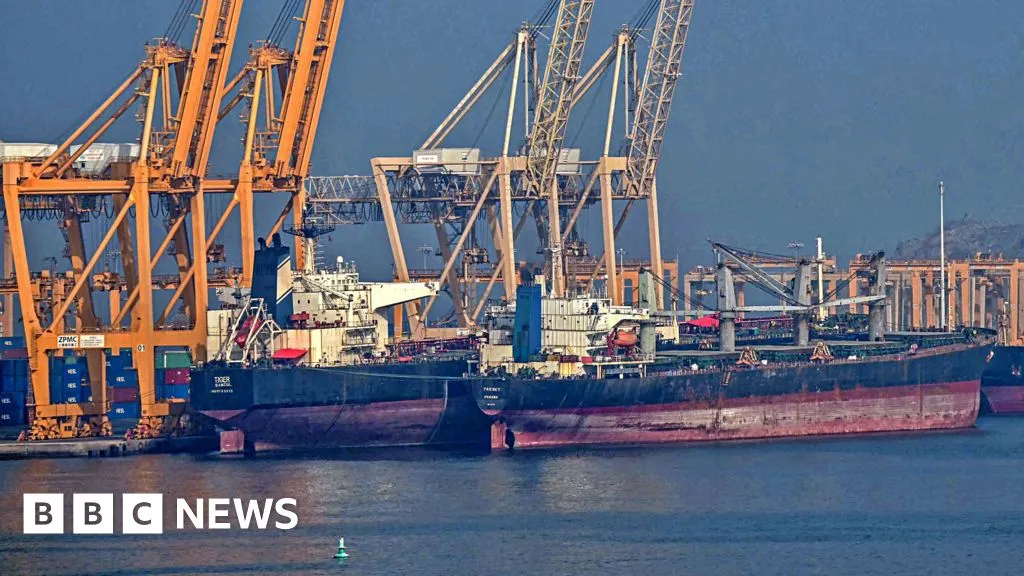
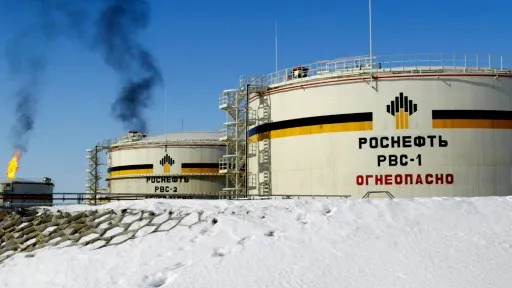
The disconnect matters because the Iran situation - whether it escalates into broader conflict or gets resolved diplomatically - has serious implications for global oil markets. Crude prices are notoriously jittery around Middle East instability, and any disruption to supply chains in the region can send prices at the pump spiking in ways that hit ordinary Americans fast and hard.
Why this is more than a PR problem
When Cabinet members start contradicting each other - or the president himself - on bread-and-butter economic issues like gas prices, it doesn't just create awkward Sunday morning TV moments. It erodes confidence. Businesses that depend on fuel costs for logistics and planning need predictability. Consumers trying to budget their summer road trips need something to go on.
Trump built a significant chunk of his electoral appeal on the promise of energy dominance and lower costs. "Drill, baby, drill" was never just a bumper sticker - it was a policy posture designed to signal that Americans would feel relief at the gas station. If key figures like the Energy Secretary are now walking that back, even subtly, that's a story worth paying attention to.
The bottom line
Nobody is claiming a crisis yet, and it would be premature to do so. But mixed messages at a moment of genuine geopolitical uncertainty are not exactly a confidence booster. Americans watching the Iran situation unfold while also watching their gas receipts tick upward deserve a coherent answer from the people in charge - not a shrug dressed up in talking points.
The Hill has been tracking this story, and given the trajectory of U.S.-Iran tensions, it likely won't be the last time energy prices land squarely in the political crossfire.