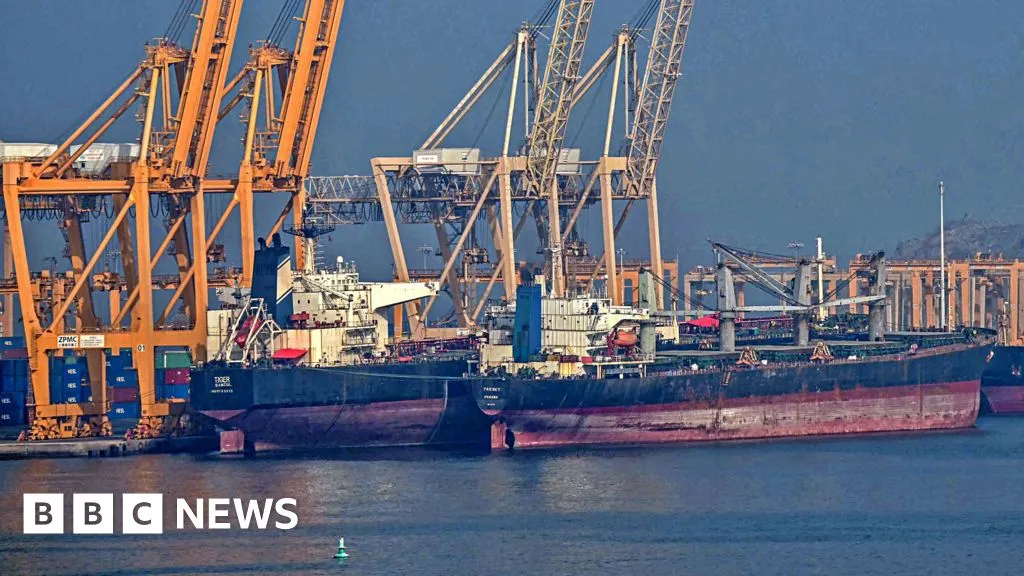
In what is being described as a seismic moment for global energy politics, the United Arab Emirates has announced its intention to leave OPEC - the Organization of the Petroleum Exporting Countries - dealing what experts are calling a potentially fatal blow to the 65-year-old oil cartel, according to a BBC report.
Why this is kind of a big deal
To put this in perspective: imagine if Bayern Munich left the Bundesliga, or if Apple decided to exit the S&P 500. The UAE is not some minor footnote in the world of oil - it is one of the most significant producers in the cartel, and its departure signals that the cracks within OPEC have finally become too wide to paper over with a few production-cut agreements and a fancy press conference in Vienna.
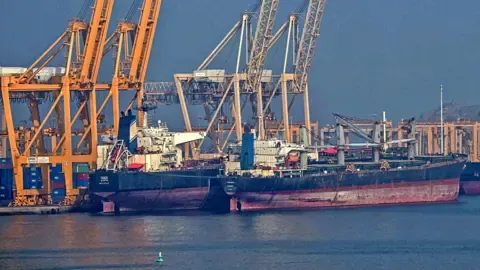
The UAE has long been the awkward teenager at the OPEC dinner table. The country has consistently pushed for higher production quotas, arguing that it has invested billions of dollars in expanding its oil infrastructure and deserves to actually use it. Saudi Arabia and others repeatedly said no. Apparently, the UAE has now decided it is done asking.
What does this mean for the rest of OPEC?
The BBC report describes the move as a "major blow" and a potential "death knell" for the cartel. That is pretty spicy language from the famously reserved BBC, which tells you something about how serious analysts are taking this.
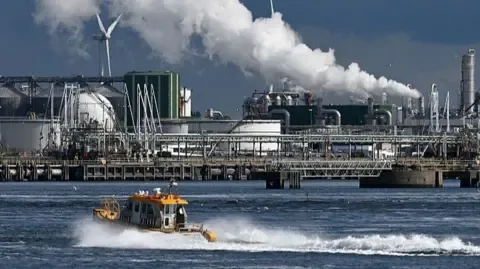
OPEC has already been struggling with internal tensions, declining influence, and the uncomfortable reality that the world is - slowly, awkwardly, but undeniably - moving away from fossil fuels. Losing the UAE chips away further at the bloc's ability to credibly coordinate production levels and, by extension, influence global oil prices.
What happens next?
With the UAE free from OPEC's production constraints, it could theoretically pump as much oil as its capacity allows - which is substantial. This could put downward pressure on global oil prices, which is great news if you own a car but considerably less great news if your entire national budget depends on crude trading above a certain price per barrel.

Whether other members follow the UAE out the door remains to be seen, but energy market watchers will be keeping a very close eye on which country is next to quietly update its LinkedIn status to "Open to opportunities."
The full details of the UAE's departure timeline and its implications for global energy markets are still emerging. Watch this space.