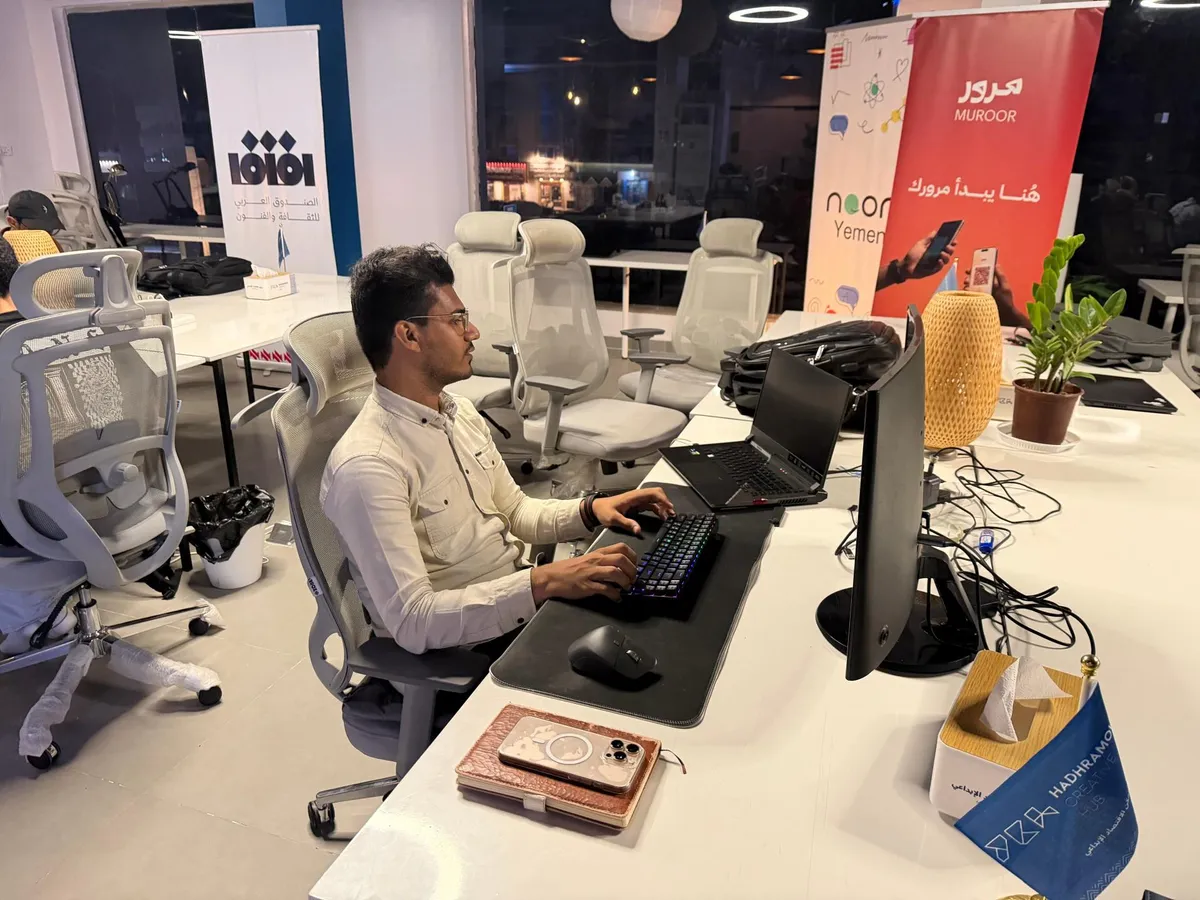
In a country where basic infrastructure has been shredded by over a decade of civil war, some Yemenis are pulling off what sounds like a tech startup fever dream: logging onto freelancing platforms, joining online classes, and building digital careers - all thanks to a satellite dish pointed at the sky and a subscription to Elon Musk's Starlink.
According to a feature published by Al Jazeera on May 3, 2026, Starlink has quietly become a lifeline for a growing slice of Yemen's population looking to participate in the global digital economy, despite the country being in the middle of one of the world's worst humanitarian crises.
The catch? It'll cost you
Before you imagine every Yemeni household streaming Netflix and day-trading crypto, pump the brakes. Affordability is a serious barrier. In a country where a significant chunk of the population depends on humanitarian aid just to eat, Starlink hardware and monthly subscription fees represent a luxury that only a fraction of the population can access. The digital divide here isn't just a metaphor - it's an economic wall with very real consequences.
Still, for those who can scrape together the funds - whether through family remittances abroad or pooling community resources - the connectivity has opened genuine pathways to income. Freelancing on platforms like Upwork and similar sites has reportedly grown among younger, tech-savvy Yemenis who now have the bandwidth to actually compete globally.
The Houthi problem
It wouldn't be a Yemen story without the Houthis. The Iran-backed armed group that controls large parts of northern Yemen, including the capital Sanaa, has not exactly rolled out the welcome mat for Western satellite internet services. Al Jazeera's reporting indicates that Houthi resistance to Starlink represents another layer of friction for would-be users in their-controlled territories, adding a political and security dimension to what is already a logistical headache.
This means the benefits of Starlink connectivity are unevenly distributed not just along economic lines, but also geographic and political ones - with users in Houthi-controlled zones facing additional risks and restrictions.

The bigger picture
What's happening in Yemen is a small but striking example of how low-earth-orbit satellite internet is reshaping access in conflict zones and underserved regions worldwide. Starlink has shown up in Ukraine, in remote parts of Africa, and now increasingly in active war zones in the Middle East.
It is not a silver bullet - nothing about Yemen is simple - but for the Yemenis who have managed to get online, the sky is quite literally the source of their opportunity. Nerdy as that sounds, it might be one of the more hopeful technology stories to come out of a region that desperately needs one.