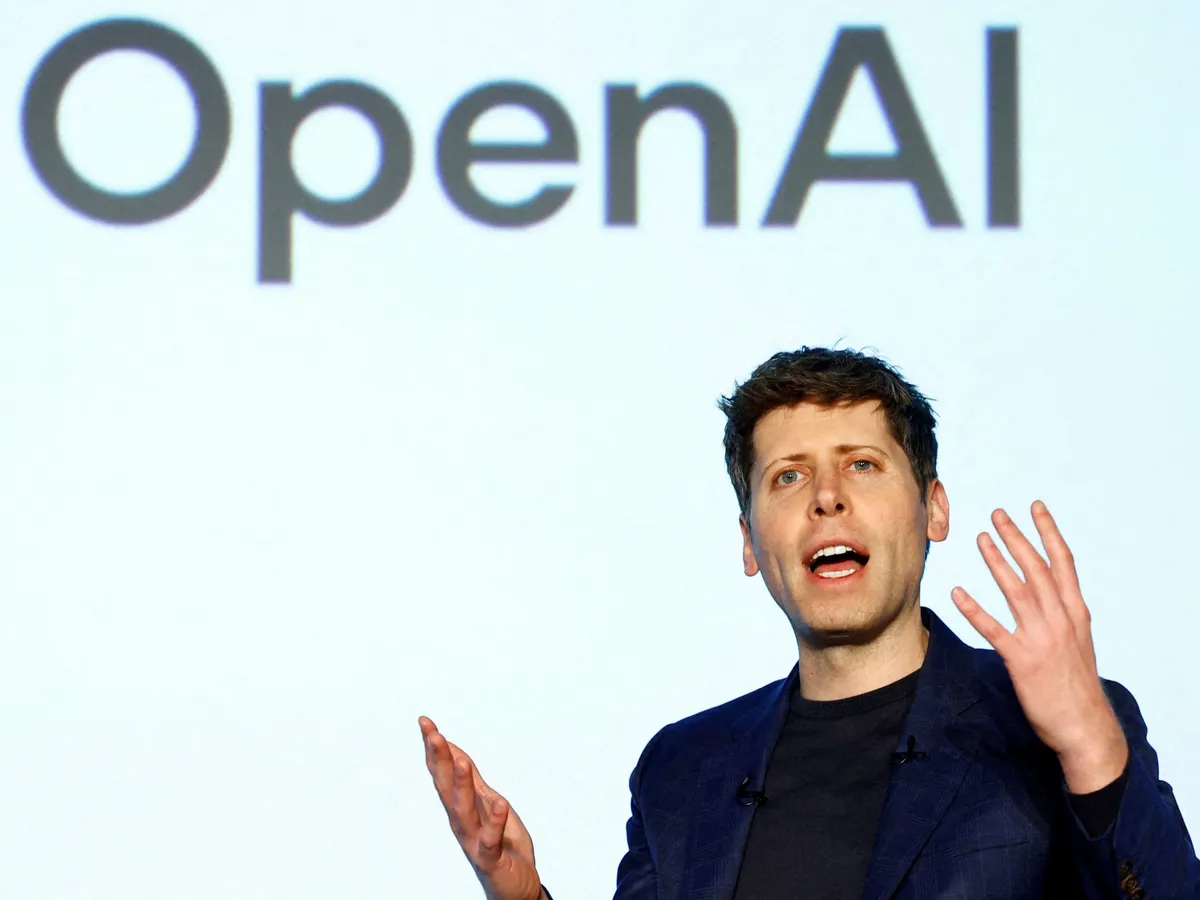
Well, it was only a matter of time. OpenAI, the company that gave us ChatGPT, existential dread about our careers, and a thousand AI-generated images of cats wearing suits, has officially filed for a US initial public offering. You can now own a tiny, tiny piece of the robot apocalypse.
According to Al Jazeera, OpenAI submitted the filing but declined to disclose the size or terms of the offering. A timeline has also not yet been determined. So essentially, they filed for an IPO the same way your friend RSVPs to a party - technically confirmed, but completely non-committal on the details.
What we actually know (spoiler: not a lot)
OpenAI's IPO filing is confirmed, but the company is keeping its cards extremely close to its chest. No pricing range, no share count, no firm date. This is what you might call a "trust us, bro" financial document. The company has not publicly revealed what valuation it is targeting, leaving analysts, investors, and extremely online tech enthusiasts to speculate wildly - which they are already doing.
OpenAI has been on a remarkable commercial trajectory, riding the generational wave of interest in large language models and generative AI tools. The company's flagship product, ChatGPT, became one of the fastest-growing consumer applications in history, and its enterprise offerings have attracted major corporate clients worldwide.
From non-profit to, uh, very-much-for-profit
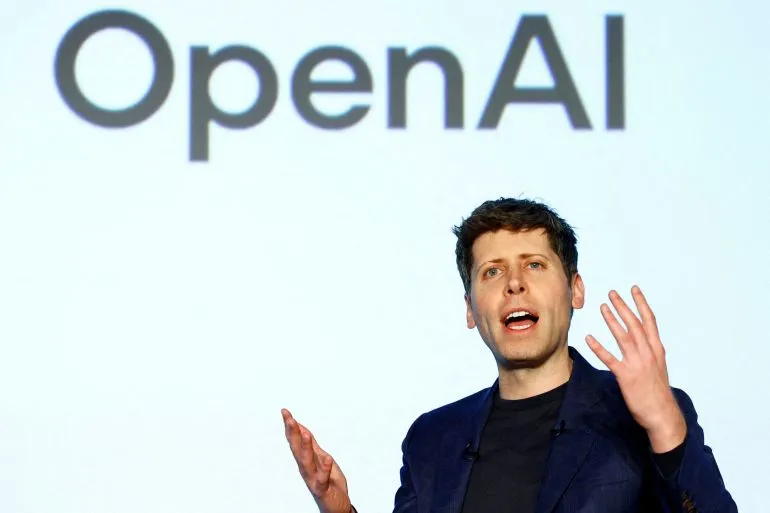
It is worth remembering that OpenAI started life as a non-profit research lab in 2015, co-founded by Sam Altman and, famously, Elon Musk - who later departed from the board and has since become one of the company's loudest critics, because nothing says Silicon Valley drama like a messy ex. The company has since restructured multiple times to accommodate outside investment, including a massive partnership with Microsoft, and going public would represent the most dramatic shift yet in its identity.
Going public will subject OpenAI to the quarterly earnings treadmill, shareholder scrutiny, and the kind of transparency that does not always sit comfortably with a company still making foundational decisions about the future of artificial general intelligence. No pressure.
What happens next
Investors will be watching closely for any updated filings that include actual financial details. Given the company's profile and the continued frenzy around AI investment, demand is expected to be significant - whenever this thing actually happens. For now, the filing is more of a formal "save the date" than an invitation with a venue, a time, or a dress code.
Stay tuned, apparently.