American businesses that paid tariffs later deemed unlawful by the Supreme Court can begin submitting refund applications Monday through a newly launched government online portal, according to reporting by Axios.
The portal marks the first phase of the Trump administration's effort to comply with court orders requiring the federal government to reimburse importers for tariffs collected under authority that courts found to be improperly applied. The repayments are expected to total billions of dollars, including accumulated interest.
What the portal does
The online system, connected to U.S. Customs and Border Protection's Automated Commercial Environment (ACE) platform, is designed to allow businesses to formally submit claims for refunds. The launch represents the government's initial step toward processing what could be a significant volume of reimbursement requests from importers across multiple industries.
The administration's rollout of the portal signals an acknowledgment that repayment must proceed, though the process is expected to unfold in stages rather than as an immediate, lump-sum settlement.
What remains unresolved
A key legal and logistical question has yet to be answered. The Supreme Court, in its ruling, did not specify the precise mechanism by which the government must issue the refunds, according to Axios. That ambiguity leaves open questions about timelines, the documentation businesses will need to provide, and how disputes over individual claims will be adjudicated.
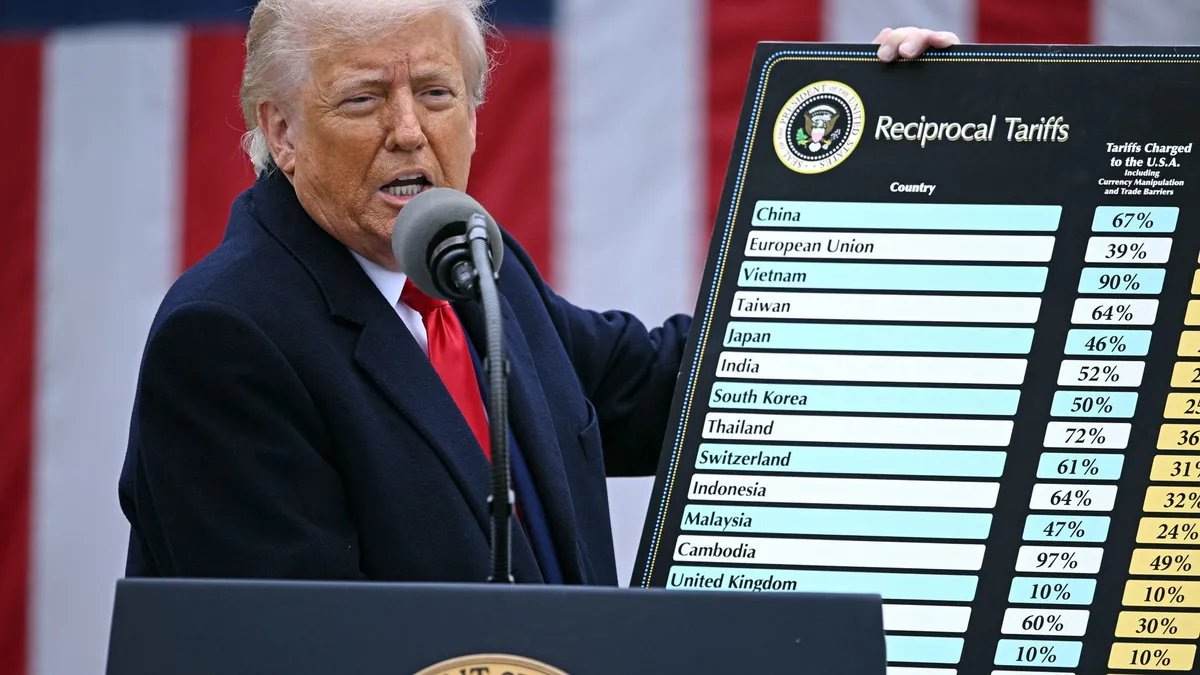
The tariffs at issue were imposed under the International Emergency Economic Powers Act, a statute the administration had used to justify broad trade measures. Courts found that the use of that authority in these instances exceeded legal boundaries.
Who is affected
Importers across a range of sectors paid tariffs under the challenged authority, and the refund process is expected to draw applications from businesses of varying sizes. Smaller importers, who may lack legal resources to navigate a complex claims process, could face additional hurdles compared to larger corporations with dedicated trade compliance teams.
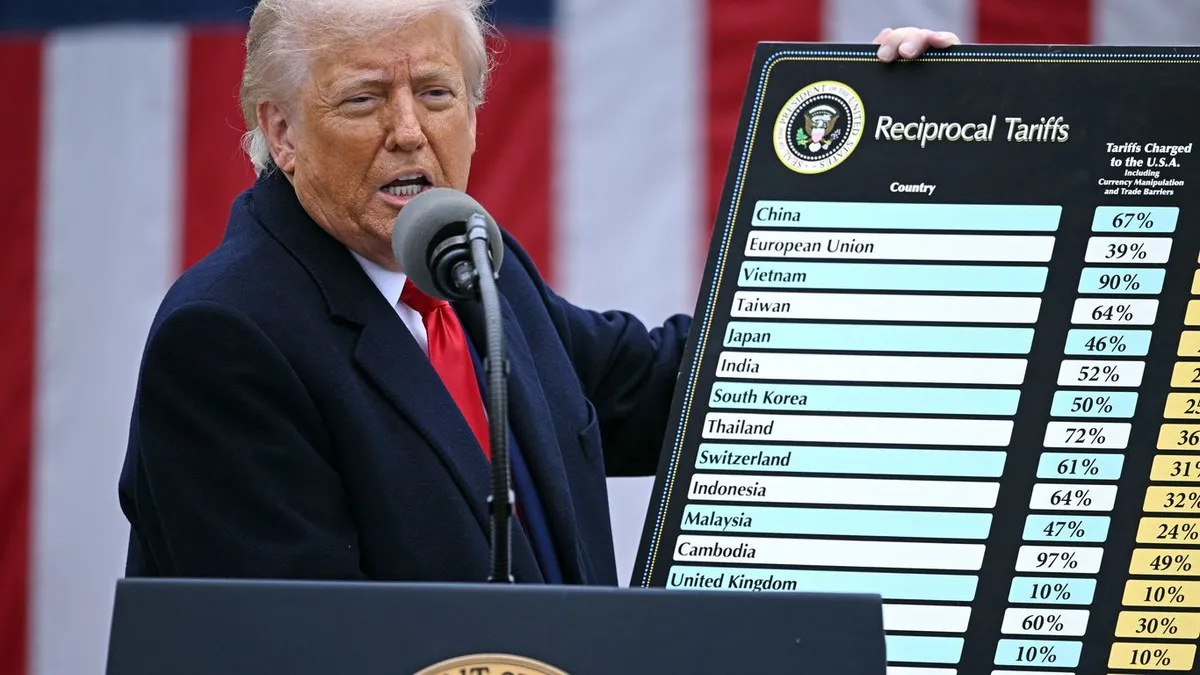
The opening of the portal comes amid ongoing broader trade tensions, with the administration simultaneously maintaining or adjusting separate tariff regimes on goods from numerous countries. Businesses filing for refunds under Monday's portal are doing so specifically for tariffs covered by the Supreme Court's ruling, not for all import duties paid in recent years.
Further details on processing timelines and eligibility requirements are expected to be clarified as the portal moves beyond its initial launch phase, Axios reported.