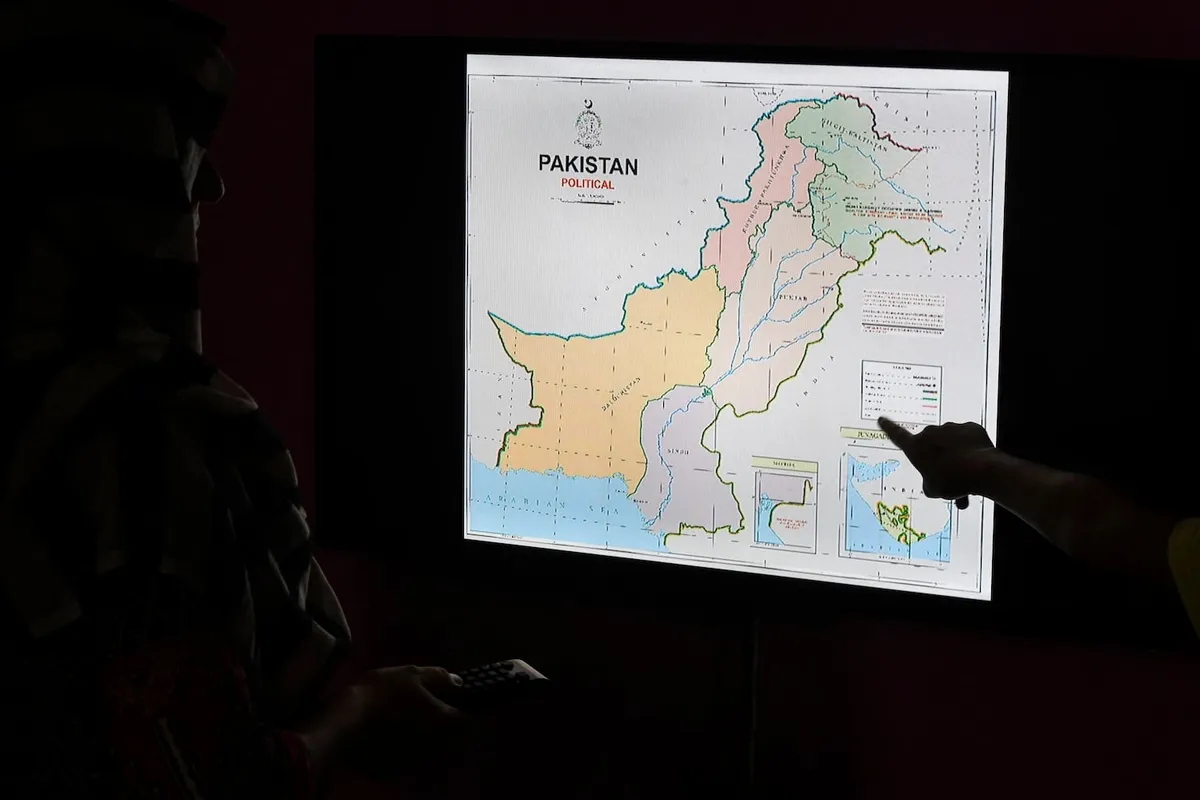
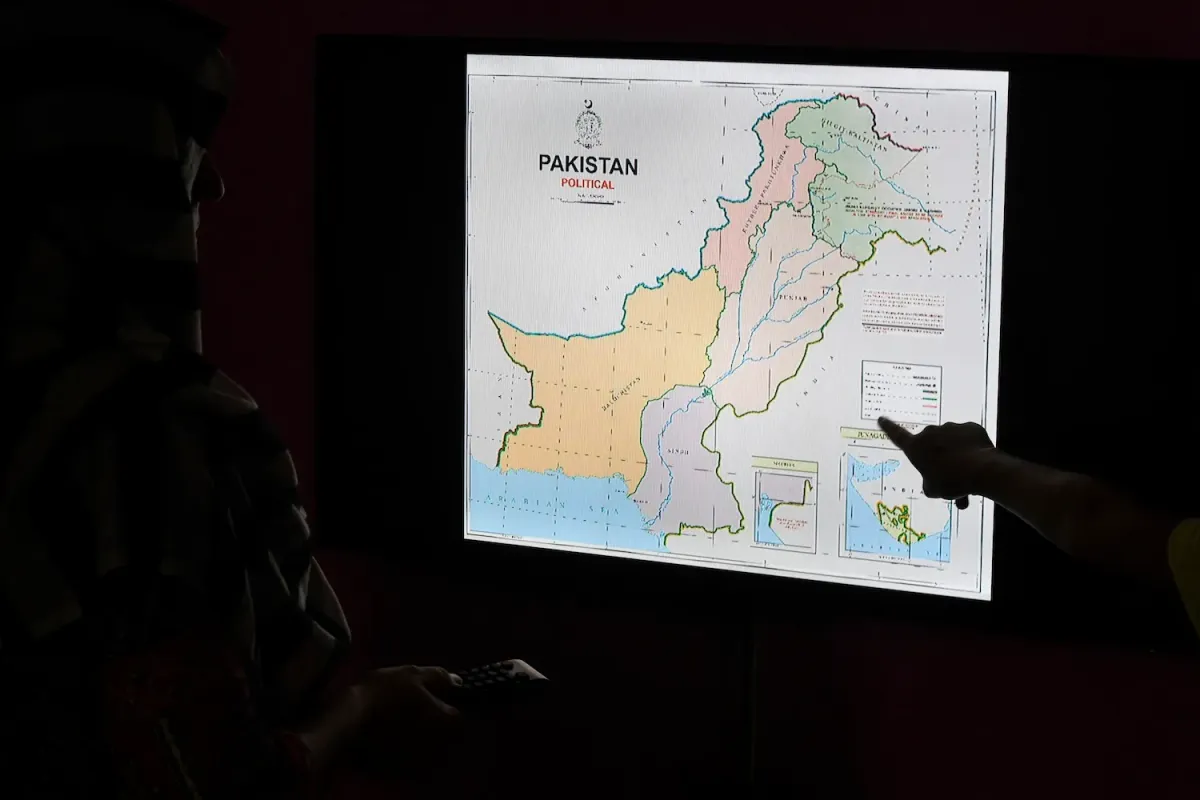
The World Bank has reclassified Pakistan, shifting the country out of its South Asia grouping and into its Middle East and North Africa category - a move that has drawn attention from analysts who see the change as reflecting deeper shifts in Pakistan's economic and political orientation.
The decision, described by Foreign Policy as a "quiet" administrative change, has been characterized as more than a simple bookkeeping adjustment. Critics and observers argue it signals a meaningful realignment in how international institutions perceive Pakistan's place in the world.
Economic ties driving the shift
Pakistan's financial relationships have increasingly tilted toward Gulf states in recent years. Saudi Arabia, the United Arab Emirates, and other Gulf Cooperation Council members have become critical sources of investment, remittances, and emergency financial support for the cash-strapped Pakistani economy.
Remittances from Pakistani workers in the Gulf represent a significant portion of foreign currency inflows. Saudi Arabia and the UAE have also provided direct financial assistance during periods of economic crisis, giving Islamabad strong incentive to cultivate those relationships.
The reclassification comes as Pakistan continues to navigate a difficult economic situation, relying on International Monetary Fund bailout programs while seeking investment from wealthy Gulf partners.
A departure from South Asian identity
Pakistan's inclusion in the South Asia bloc alongside India, Bangladesh, Sri Lanka, and others has long reflected its geographic and historical context. The two countries share a colonial history, a border, and deep cultural connections - alongside one of the world's most tense bilateral relationships.
Relations between Pakistan and India remain frozen across most diplomatic and economic channels. Trade between the two nuclear-armed neighbors is negligible, and military tensions along the Line of Control in Kashmir have periodically escalated in recent years.
That estrangement from its largest regional neighbor has arguably weakened Pakistan's practical integration into the South Asian framework, even as it remains geographically part of the subcontinent.
Institutional implications
World Bank regional groupings influence how development funding is allocated, how projects are coordinated, and how country-level data is compared and analyzed. A reclassification of this kind can affect which peer countries Pakistan is benchmarked against, and potentially how international financial institutions structure engagement with Islamabad.
The IMF, which is currently supporting Pakistan under an active lending arrangement, uses its own regional groupings that do not necessarily mirror those of the World Bank.
Foreign Policy, which first highlighted the significance of the move, noted that the reclassification is unlikely to be reversed quickly and may reflect a longer-term institutional recognition of where Pakistan's economic center of gravity now lies.
Pakistani officials have not made prominent public statements regarding the reclassification. The World Bank has not issued a detailed public explanation of the rationale behind the change.