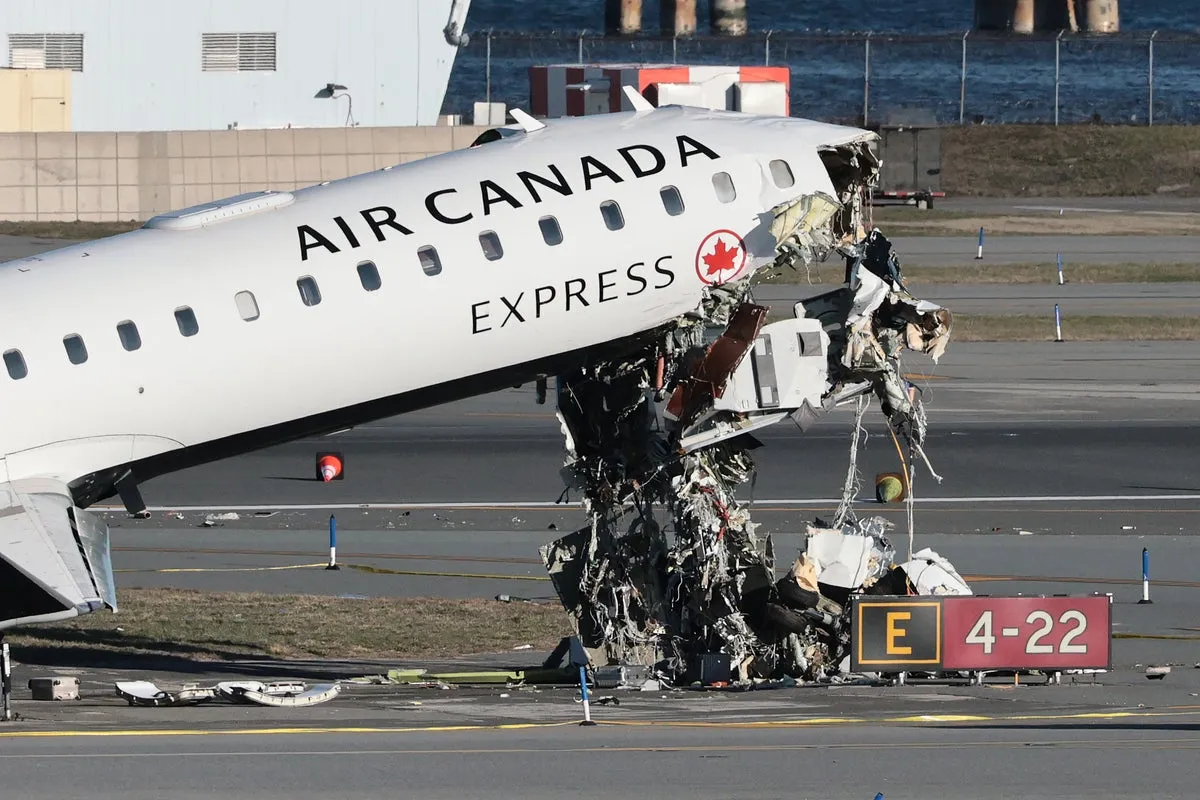
If you've been side-eyeing the departure board lately wondering whether your gate is also a game of aeronautical Russian roulette, congratulations - you're not entirely paranoid. According to a report by Bruce Golding in The Independent, deadly crashes and near misses at US airports have been piling up at an uncomfortable rate, pointing to what aviation safety experts are calling a glaring systemic 'gap.'
So what's actually happening out there?
The culprit, largely, is runway incursions - the aviation industry's polite term for 'planes nearly smashing into each other on the ground.' These incidents involve aircraft, vehicles, or personnel entering a runway without clearance, turning what should be a boring taxi to the gate into a white-knuckle thriller nobody asked for.
Experts cited in the report point to a combination of factors driving the trend, including staffing shortages at air traffic control facilities, aging infrastructure, and procedural gaps that leave too much room for human error. It's essentially a perfect storm brewed in a very expensive, very fast, very metal environment.
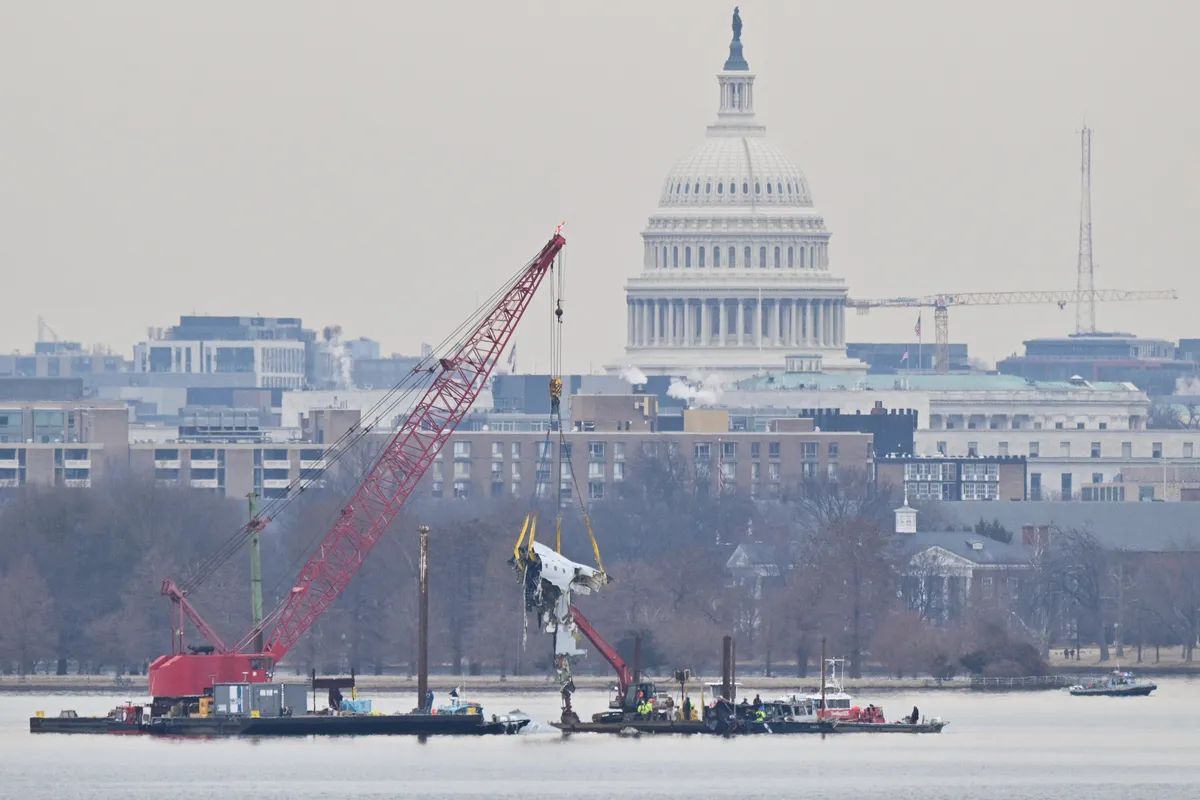
The 'gap' nobody wants to talk about
Aviation safety professionals are flagging what they describe as a disconnect between the technology available to detect and prevent runway incursions and how widely - or rather, how sparsely - that technology is actually deployed across US airports. Not every airport has the same level of runway safety systems, and that inconsistency is, to put it mildly, a problem when planes don't really care which tier of airport they're landing at.
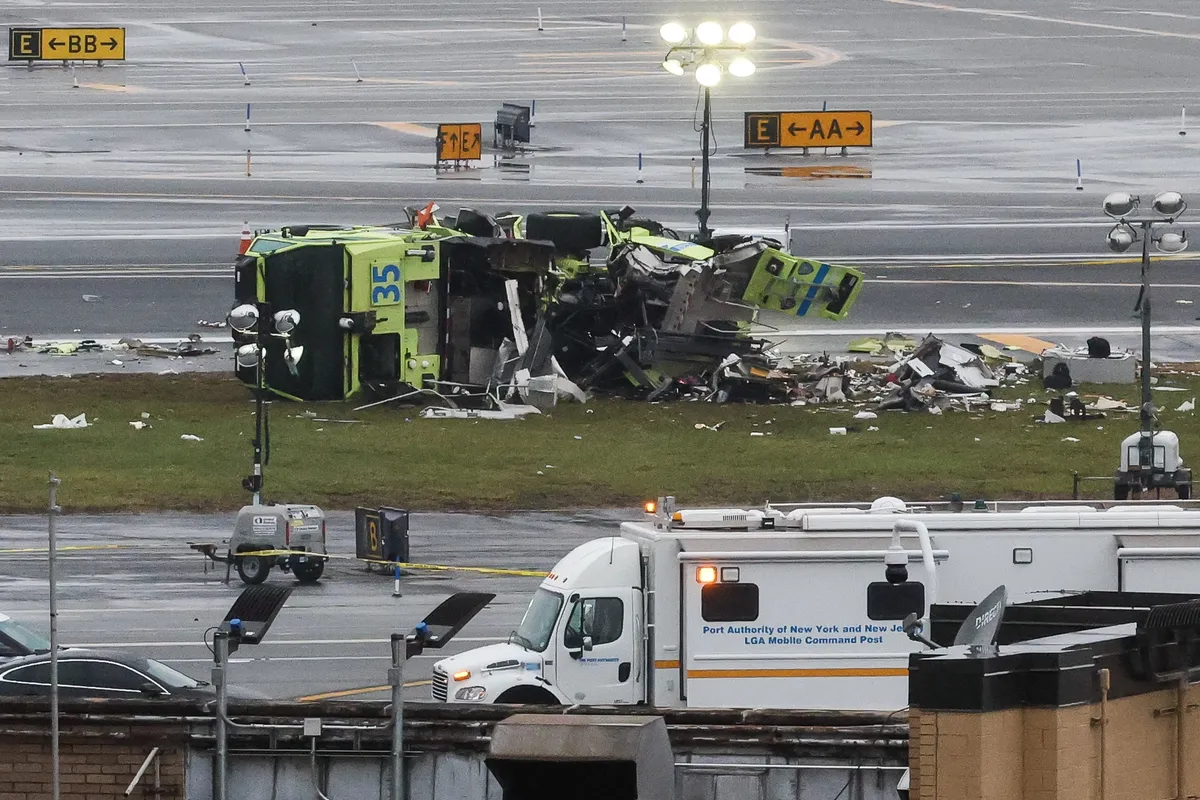
But wait, don't panic yet
Here's the part your nervous-flyer friend needs tattooed on their wrist: flying remains statistically the safest form of travel, full stop. The report is careful to note this, and it bears repeating as Memorial Day weekend - one of the busiest travel periods of the year - approaches and approximately half the country descends on airports simultaneously like a very anxious migration.
The odds of dying in a car crash on the way to the airport are, grimly, higher than anything that happens once you board. That said, 'statistically safe' and 'actively working to make it safer' are not mutually exclusive concepts, which is precisely why aviation safety advocates are pushing for urgent investment and reform rather than a collective shrug.
The bottom line
The US aviation system is under pressure, understaffed in key areas, and bumping up against infrastructure that wasn't designed for current traffic volumes. Experts aren't saying the sky is falling - they're saying the runway situation needs serious attention before it gets worse. As The Independent reports, the warning signs are there. The question is whether regulators and lawmakers will act before a close call becomes something far more catastrophic.