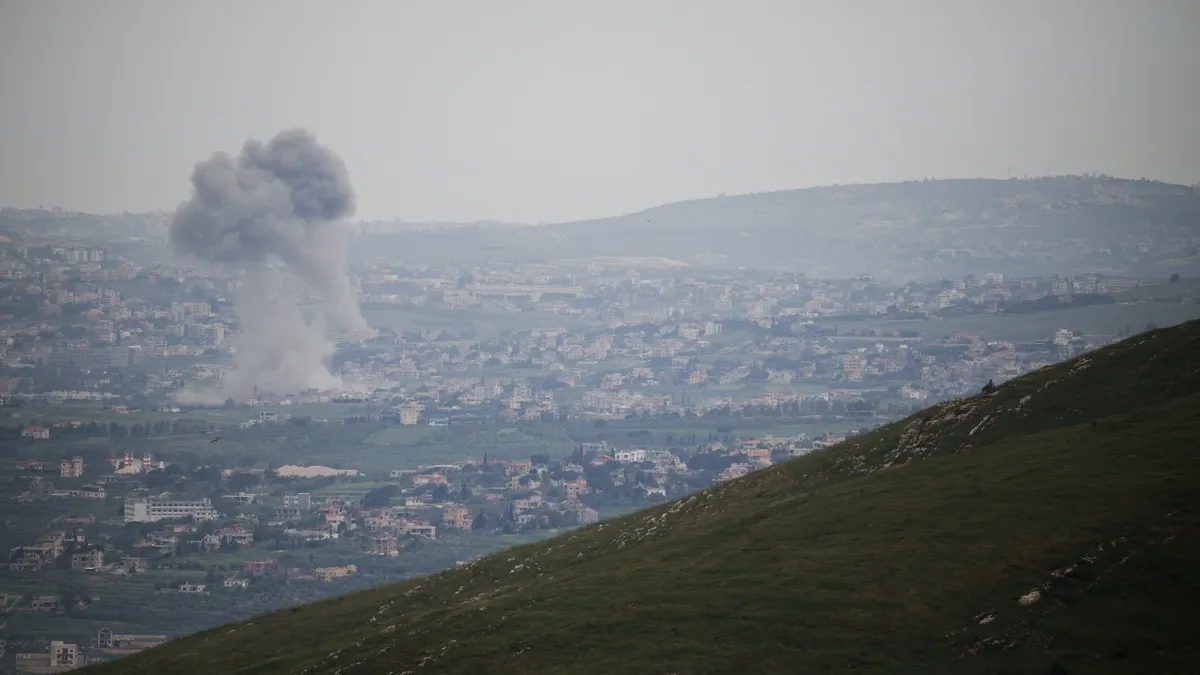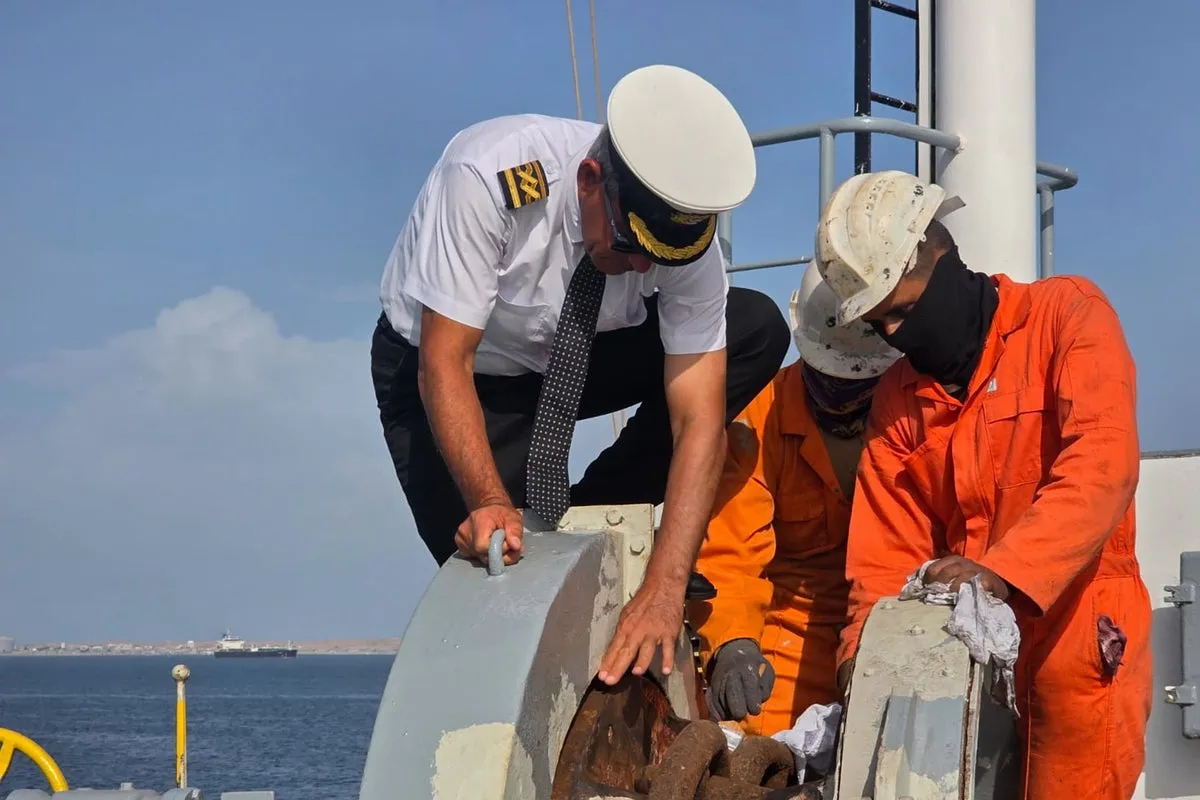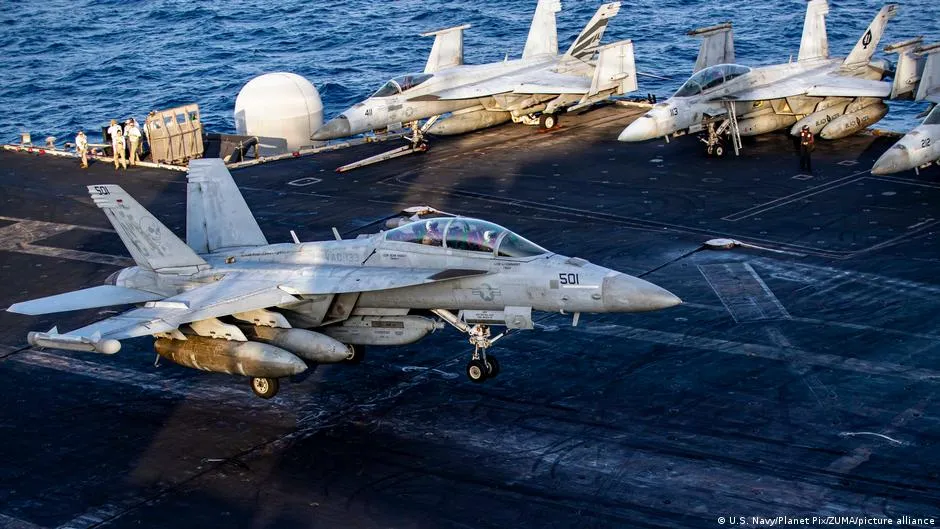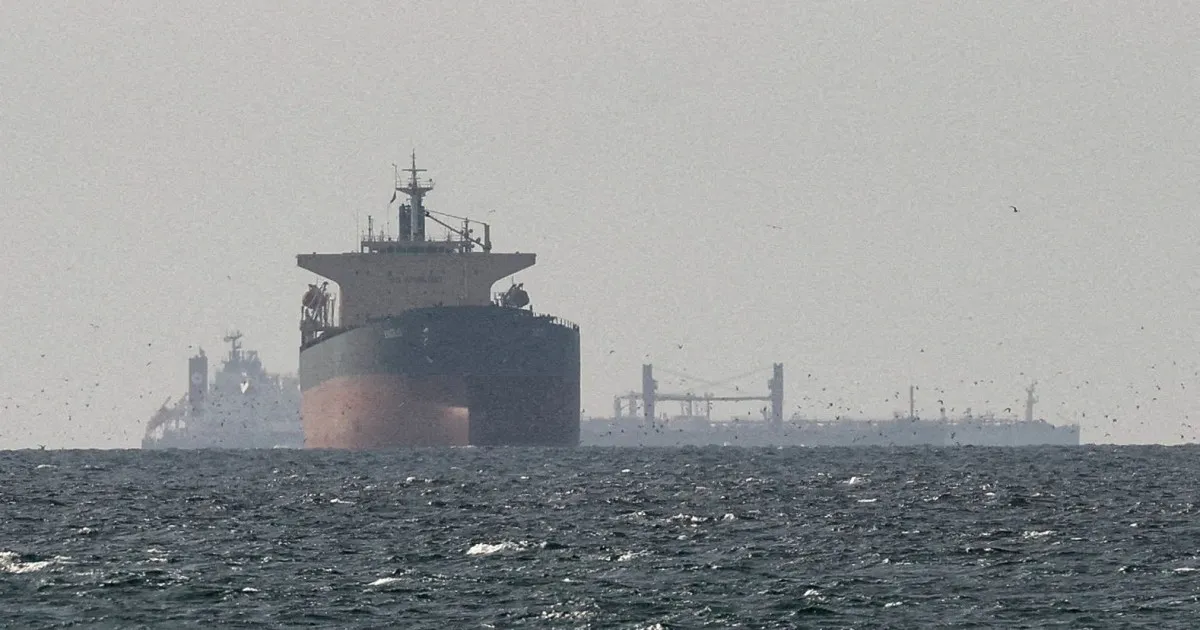
Somewhere between "global catastrophe" and "extremely bad week for your gas bill," the Strait of Hormuz - the narrow chokepoint through which roughly 20% of the world's oil supply travels - has reopened following a harrowing throttling of traffic amid the ongoing US-Iran conflict. And according to Al Jazeera, pretty much everyone from politicians to oil executives is collectively exhaling a breath they have been holding for what felt like geological ages.
Why anyone with a car, a heating bill, or a functioning economy cared
To understand why the whole planet was glued to updates about a relatively thin strip of water between Iran and Oman, you have to appreciate what the Strait of Hormuz actually does. It is, in practical terms, the jugular vein of global oil supply. When traffic through it gets disrupted, oil prices spike - and when oil prices spike, everything else gets more expensive. Groceries. Plane tickets. Plastic toys. That one luxury item you were finally going to treat yourself to. All of it.
The disruption caused by the escalating US-Iran conflict sent prices climbing in a way that made energy analysts reach for their emergency stress toys. Industry groups and governments worldwide were quick to welcome the reopening, per Al Jazeera's reporting, with politicians essentially competing to see who could sound the most relieved without admitting they had been quietly panicking.
The geopolitical equivalent of unclogging a drain
The reopening is not a resolution of the underlying US-Iran tensions - let's be extremely clear about that. It is more like a momentary pause in a very expensive and stressful argument. The conflict that led to the strait's traffic being throttled in the first place has not disappeared; it has simply stepped back from the specific tactic of turning one of the world's most critical waterways into a geopolitical bargaining chip.
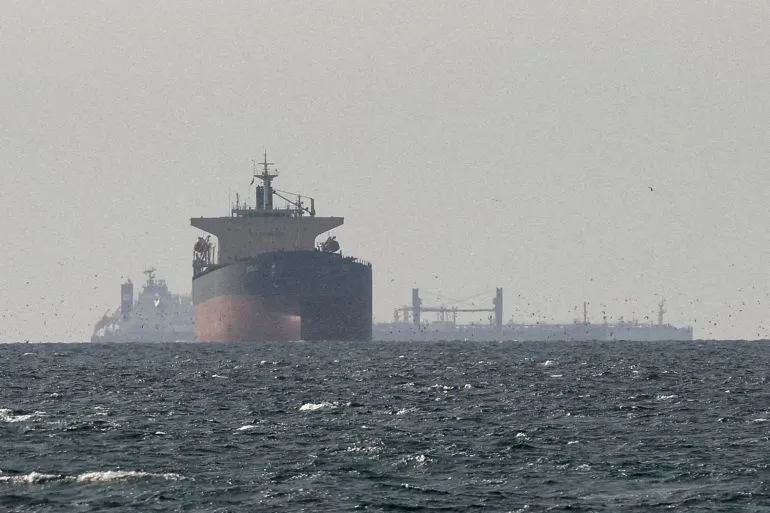
Industry representatives, according to the Al Jazeera report, welcomed the development with the kind of enthusiasm normally reserved for a surprise holiday bonus. Oil markets, which had been doing their best impression of a rollercoaster designed by someone with a grudge, began settling in response.
What happens next
The honest answer is: nobody fully knows. The US-Iran conflict remains unresolved, and the Strait of Hormuz has now been demonstrated - again - to be an extraordinarily effective pressure point for anyone willing to use it. Analysts and governments will be watching the waterway with the intensity of someone who just got their WiFi back after a three-day outage and is not ready to take it for granted ever again.
For now though, the tankers are moving. And in the grand theater of geopolitics, sometimes that is the best news available.
Source: Al Jazeera