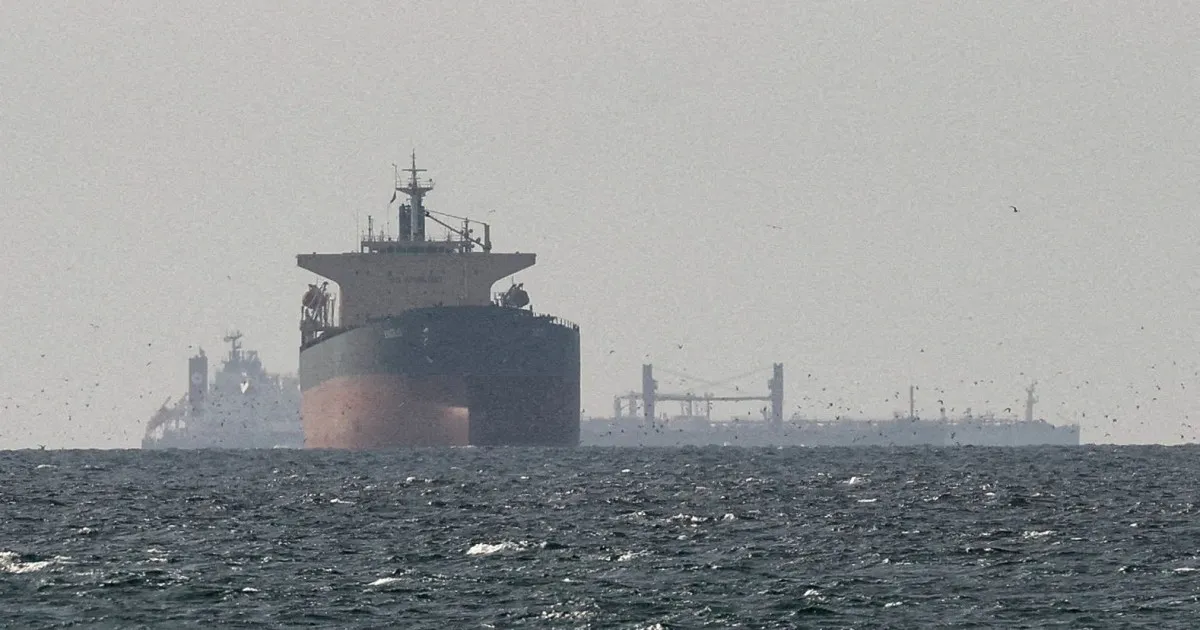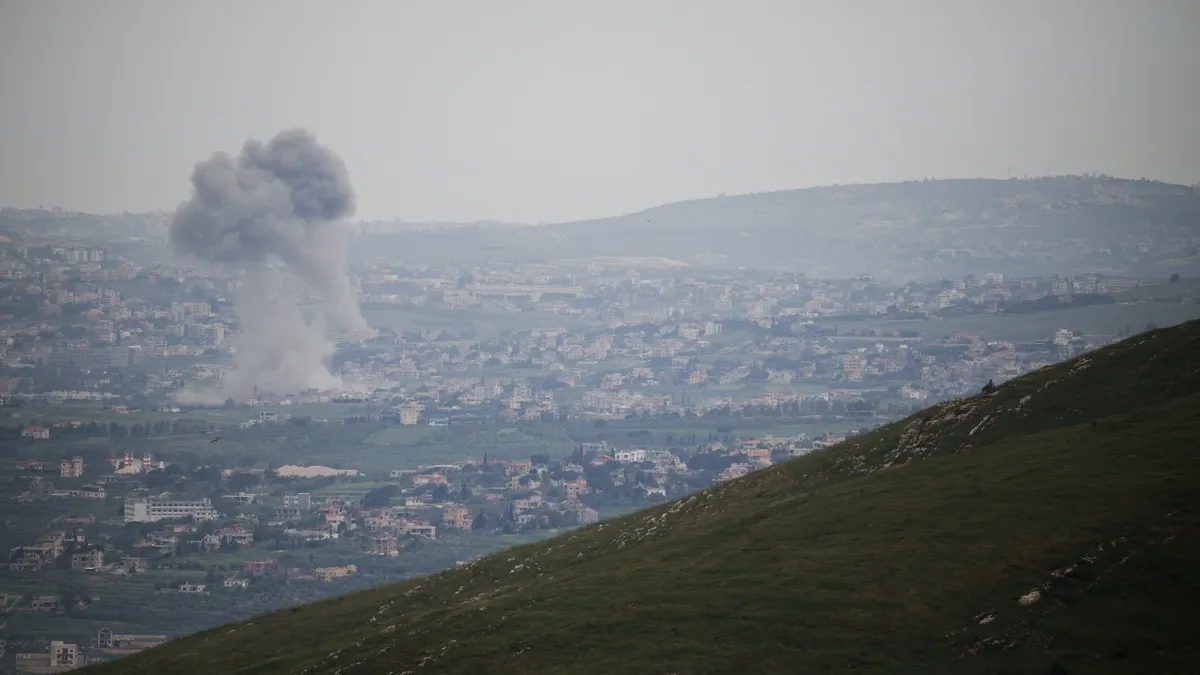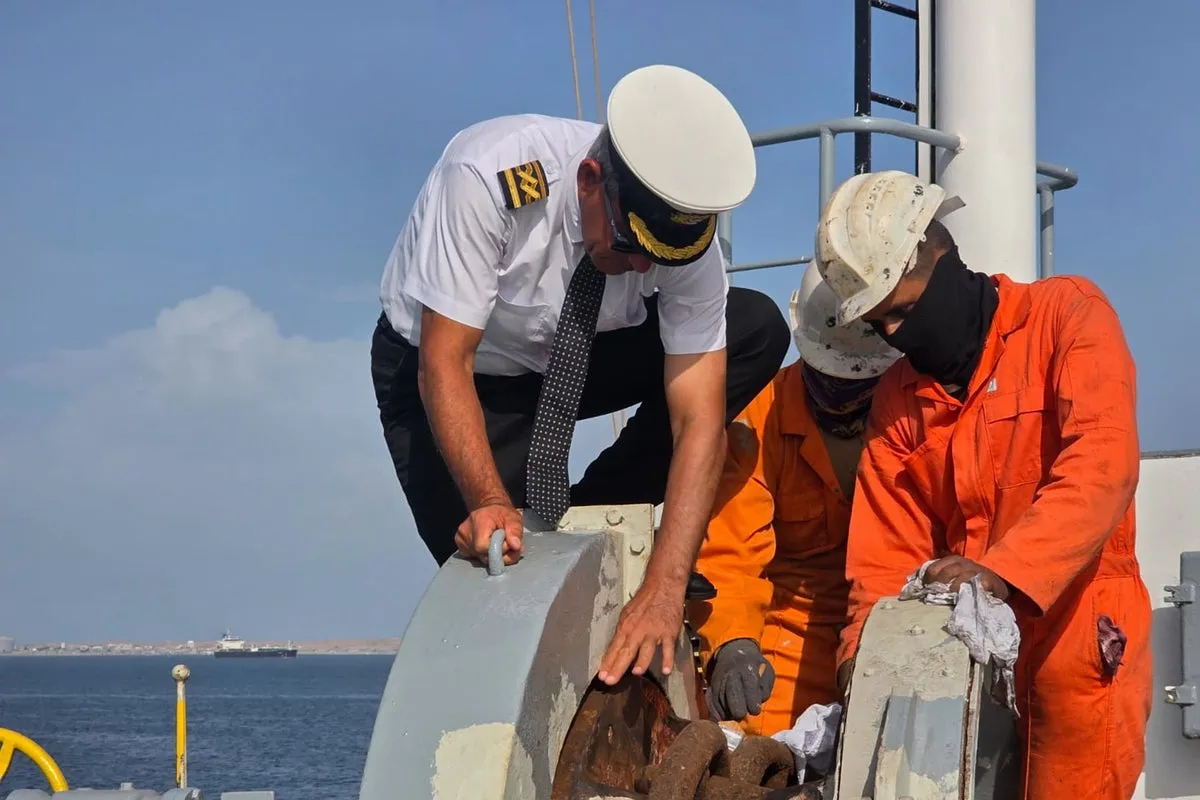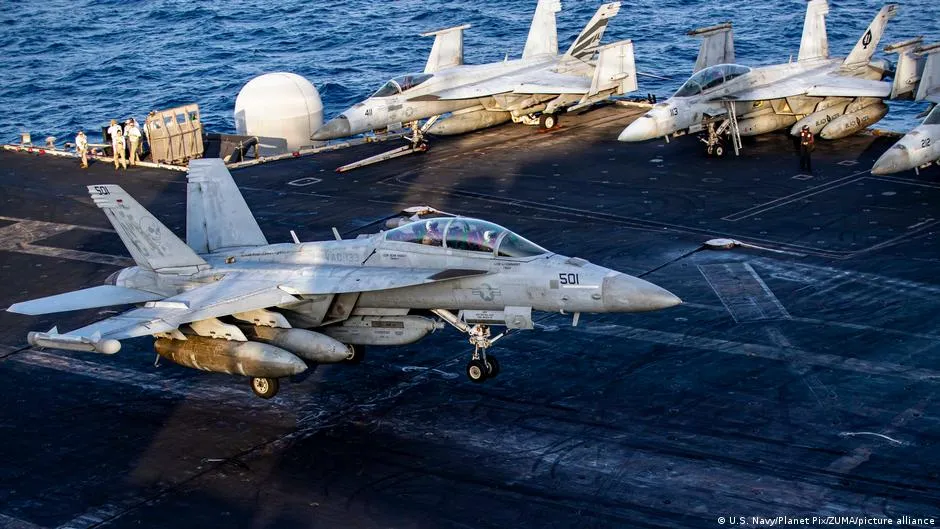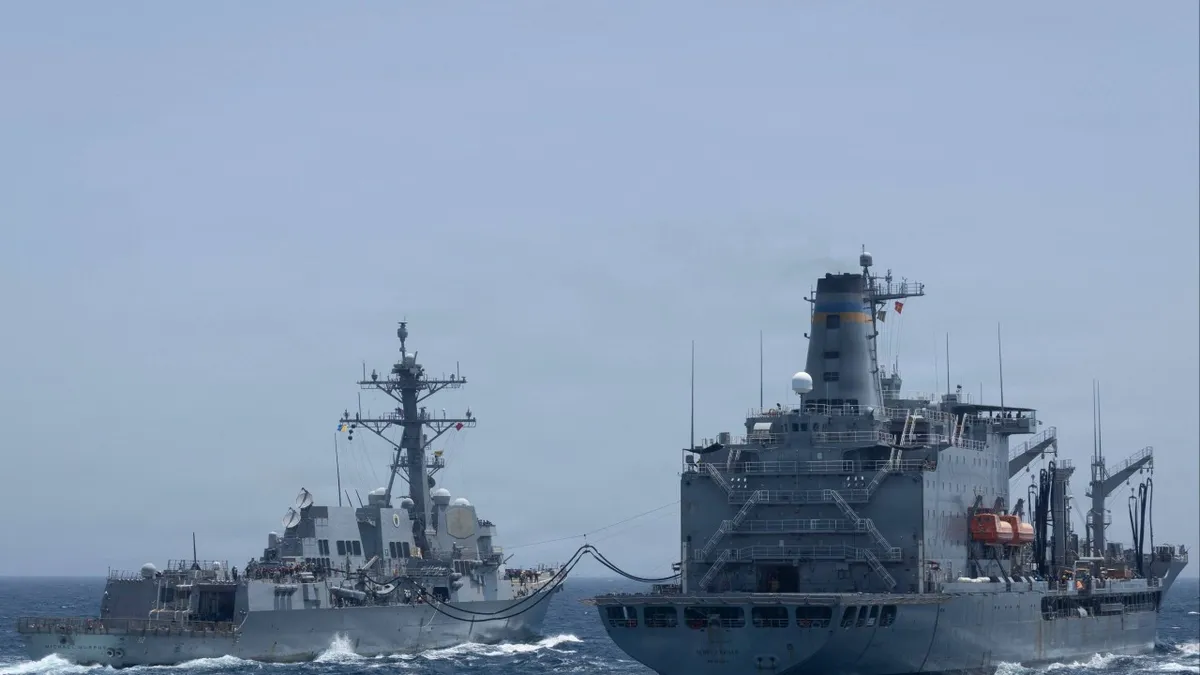
If you thought the US-Iran ceasefire from a month ago meant everyone had gone home, put the kettle on, and called it a day - well, think again. According to reporting by the South China Morning Post, the two sides are showing absolutely no signs of winding down their conflict, with fresh clashes flaring in and around the Strait of Hormuz over the past several days.
Gulf of trouble
The recent flare-ups are being described as the worst since the ceasefire supposedly took hold, which raises an important philosophical question: if a ceasefire doesn't actually stop anyone from fighting, is it really a ceasefire? The United Arab Emirates, caught in the crossfire of all this geopolitical drama, reportedly came under renewed attack on Friday - a reminder that in regional conflicts, neutrality is often more of a suggestion than a guarantee.
Tehran can take a punch, apparently
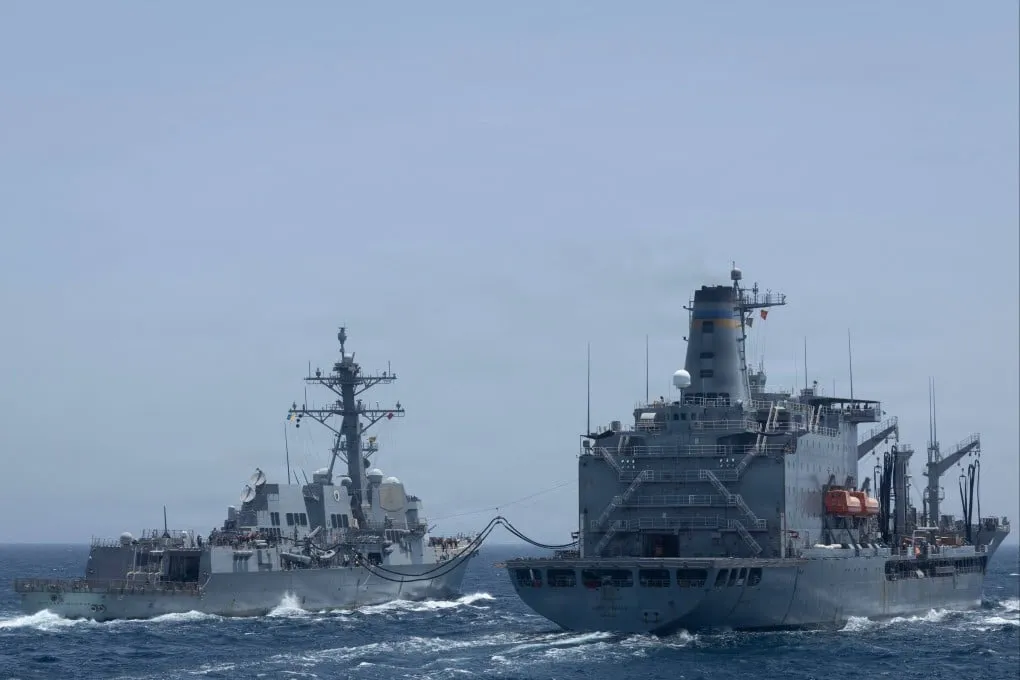
Adding a layer of strategic complexity to the whole mess, a US intelligence analysis has reportedly concluded that Iran could withstand a naval blockade for several months. That is not exactly the kind of assessment that makes Washington's negotiating position look like a royal flush. A blockade is one of the more aggressive economic pressure tools the US has in its playbook, and if Iran has already done the math and decided it can ride it out, that particular card loses a lot of its value at the table.
Still waiting on Tehran
The South China Morning Post reports that Washington has been waiting on Tehran's formal response to a US proposal, which means diplomacy is technically still alive - just apparently on the same schedule as a government IT project. Meanwhile, the Strait of Hormuz, through which roughly 20% of the world's oil supply passes, continues to be the world's most stressful shipping lane.
What happens next?
The situation remains genuinely fluid and, frankly, concerning. The combination of ongoing military exchanges, a blockade strategy that may not actually work, a ceasefire that is ceasing very little, and a critical global shipping corridor in the middle of it all is the kind of geopolitical cocktail nobody ordered but everyone is going to have to drink. Analysts and diplomats will be watching carefully to see whether Tehran's response, when it eventually arrives, opens any real pathway toward de-escalation - or simply adds another chapter to what is already a very long story.