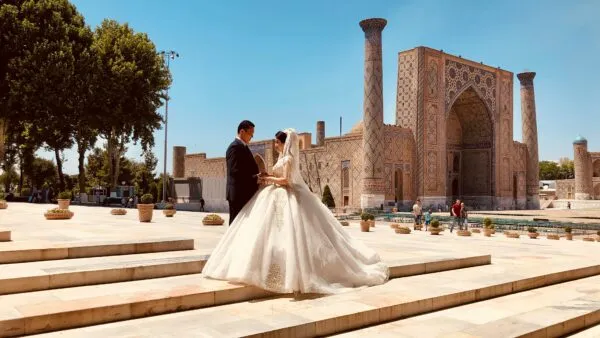
On paper, Uzbekistan looks like a demographer's dream. The population keeps growing, birth rates stay healthy, and the country projects the image of a society where family values are basically baked into the culture. But scratch the surface, and a very different story is emerging - one that The Diplomat reports involves a younger generation quietly pumping the brakes on the whole marriage-as-default thing.
Not your grandparents' nikoh
According to reporting by The Diplomat, shifting expectations and rising domestic tensions are reshaping family life in Uzbekistan in ways that official statistics don't quite capture. Young Uzbeks - particularly women - are increasingly questioning whether the traditional model of early marriage and large households actually works for them. Spoiler: a lot of them are concluding it does not.
The pressures driving this rethink aren't just abstract or philosophical. Reports point to rising domestic strain within households, with family conflict becoming a more visible and discussed issue. Meanwhile, greater access to education and urban employment is giving younger women in particular a clearer picture of what alternatives might look like.
The tension between tradition and expectation
This is where it gets genuinely complicated. Uzbek society still carries enormous social weight around marriage - it's not just a personal choice, it's a family event, a community event, sometimes practically a neighborhood event. Opting out or delaying isn't a low-stakes decision. The Diplomat's reporting suggests this generational tension is creating real friction between what younger people want and what their families and communities expect of them.
Divorce rates are also part of the picture. While Uzbekistan's government has historically been concerned enough about family breakdown to involve state institutions in reconciliation efforts, the underlying issues driving couples apart haven't gone away by official decree.
Growth numbers don't tell the whole story
What makes this especially interesting from a geopolitical and social angle is the gap between macro-level indicators and lived reality. Central Asian nations often get flattened into broad demographic talking points - young populations, growth potential, workforce projections. But the generational rethink happening inside Uzbek households suggests that the social infrastructure underpinning those numbers is under real pressure.
Whether this ends up looking like a slow-burn cultural shift or something more disruptive probably depends on how institutions - government, religious, and educational - respond to a generation that is, for the first time in a while, asking some genuinely awkward questions about what family is supposed to mean.
Full reporting is available at The Diplomat.