The United States is currently experiencing one of the most dramatic wealth divides in living memory, according to a report from The Independent. In what economists might diplomatically call a "bifurcating economy" and what the rest of us might call something significantly less printable, the gap between America's wealthiest citizens and everyday working people has ballooned to generational highs.
Two Americas, one very unequal piggy bank
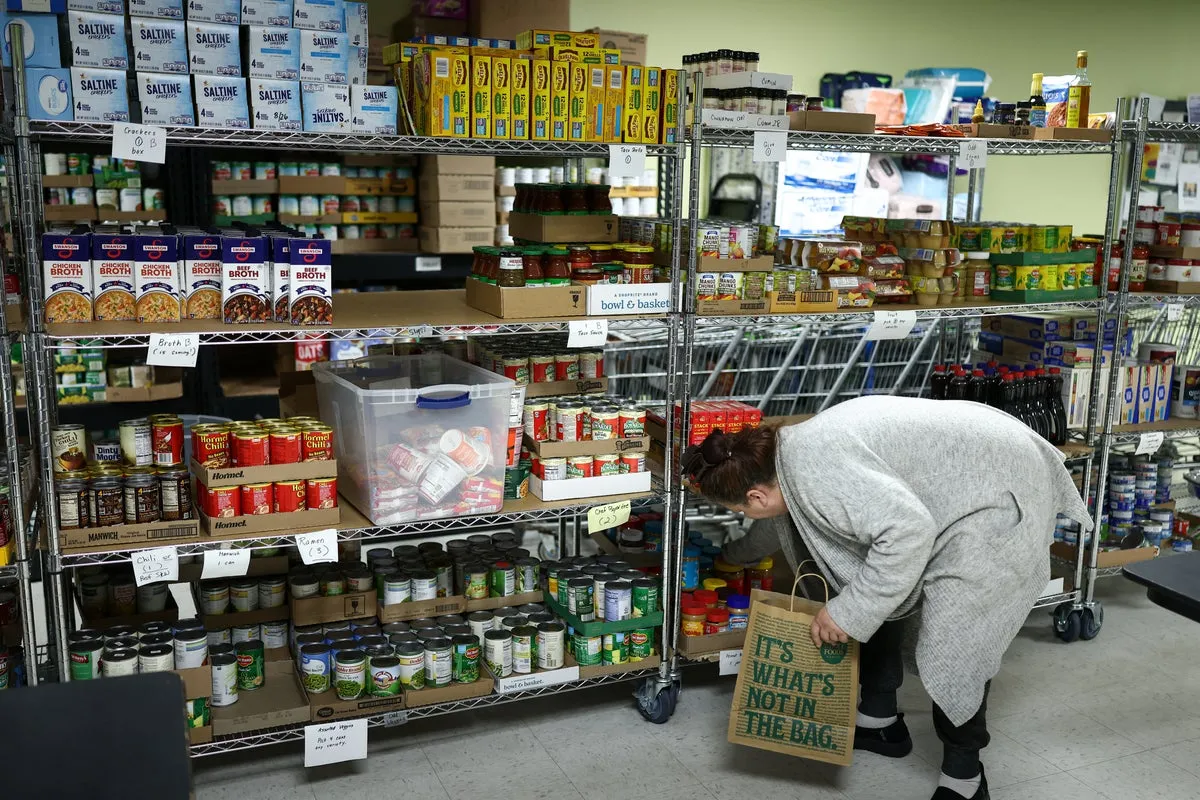
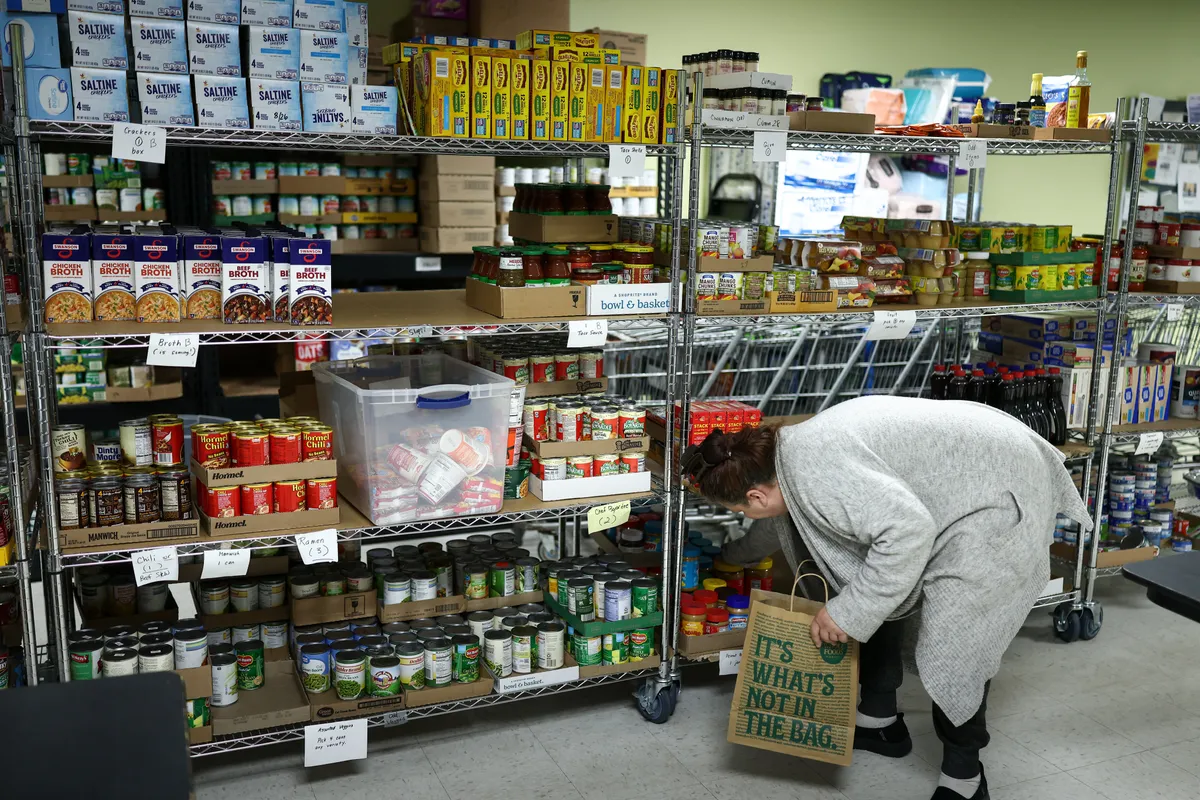
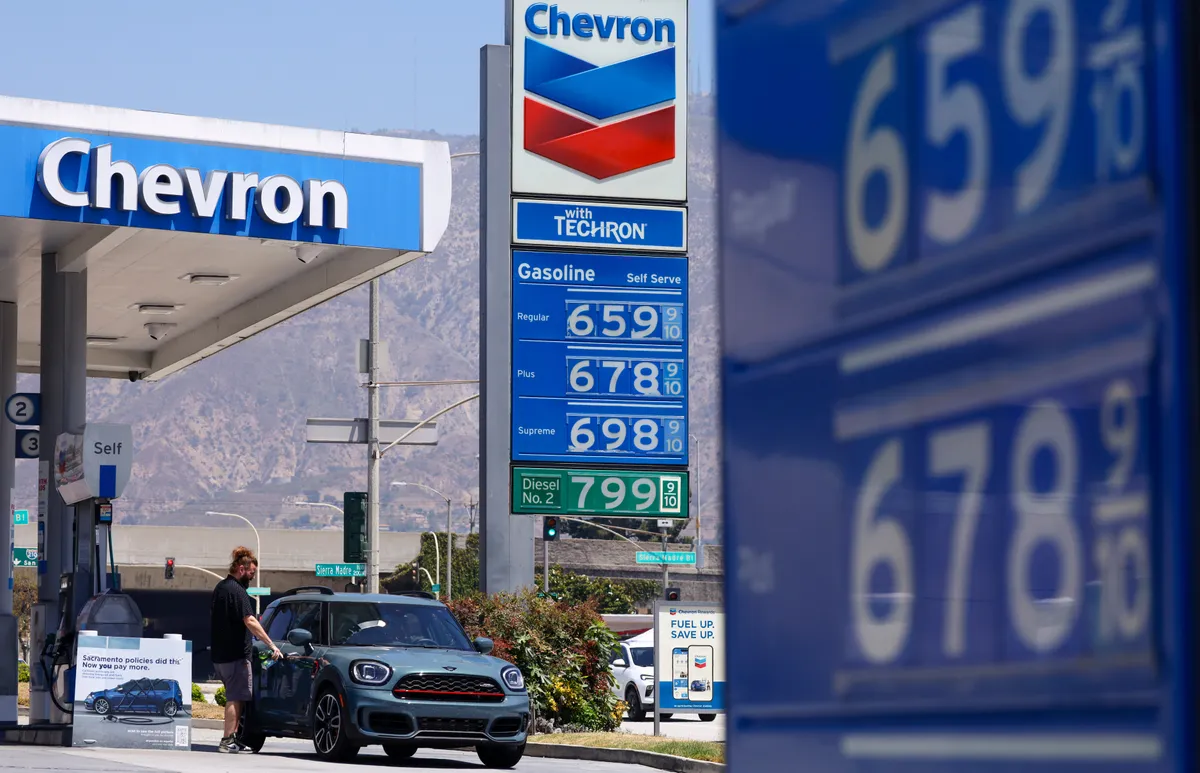
On one side of this ever-widening chasm, lower-income households are getting absolutely walloped by high gas prices and persistent employment challenges. Filling up the tank has become a genuine budget decision for millions of American families, not a mild inconvenience to briefly complain about before driving to brunch.
On the other side? The wealthiest Americans are riding a soaring stock market like it owes them money - which, increasingly, it kind of does. Add in the effects of recent tax cuts that disproportionately benefit top earners, and you have a recipe for the kind of wealth concentration that historically makes political scientists very nervous and French historians start muttering about bread and guillotines.
The numbers don't lie, even when politicians try to spin them
The report from The Independent highlights how the economic divergence isn't some abstract policy debate happening in think tanks and graduate seminars. It's a lived, daily reality for tens of millions of Americans who are watching their purchasing power erode while headlines celebrate record stock market performance - a metric that, it bears repeating, primarily reflects the financial health of people who already own significant assets.
Tax policy has played no small role in this drama. Cuts structured to benefit higher earners have compounded existing advantages, allowing wealth to accumulate further at the top while the bottom rungs of the economic ladder get increasingly slippery.
So what happens next?
The honest answer is: nobody is entirely sure, and anyone who tells you otherwise is probably trying to sell you something. What history does suggest is that sustained, extreme wealth inequality tends to generate political instability, erode social trust, and eventually force some kind of correction - either through policy reform or considerably messier means.
For now, the U.S. appears content to let the gap keep widening, stock tickers keep climbing, and gas prices keep making road trips feel like a financial planning exercise. The American Dream, it seems, has a new fine print - and it requires a brokerage account to read it.