U.S. allies are responding with a favorable attitude to the American blockade of the Strait of Hormuz, according to MSNBC NOW co-host Joe Scarborough, who made the remarks on Wednesday.
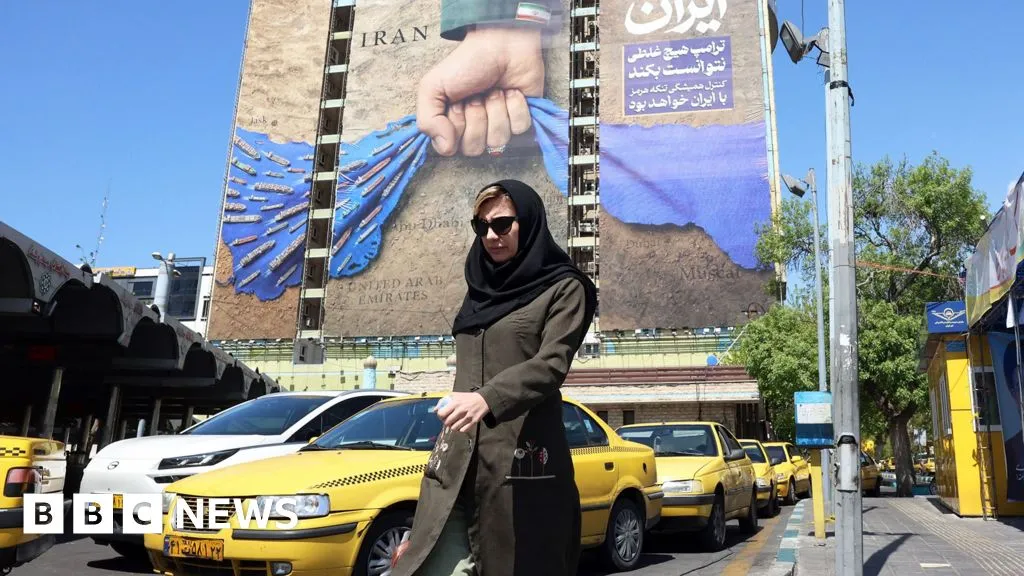
The Trump administration effectively closed the strait this week, preventing Iran from determining which ships are permitted to pass through the strategically vital waterway. The strait, located between the Arabian Peninsula and Iran, is one of the world's most critical chokepoints for global oil transport.
Scarborough, citing what he described as a "very positive" reaction from U.S. allies, suggested that there had been "a growing unease" among those partners leading up to the move, according to reporting by The Hill.
Strategic significance of the strait
The Strait of Hormuz carries an estimated 20 percent of the world's oil supply, making any disruption to shipping there a matter of significant concern for global energy markets and international trade. Iran has historically threatened to close the strait during periods of heightened tension with Western nations, viewing it as a potential lever in geopolitical standoffs.
The U.S. blockade represents a direct challenge to Iranian influence over the waterway, effectively reversing the dynamic by restricting Tehran's ability to dictate the terms of passage for commercial vessels.
Broader context
The move comes amid ongoing tensions between the United States and Iran over nuclear negotiations and regional security. The Trump administration has pursued a policy of maximum pressure on Tehran, and this latest action represents one of the most direct interventions in Iranian maritime affairs in recent years.
The reaction from U.S. allies, as characterized by Scarborough, stands in contrast to the skepticism that sometimes accompanies unilateral American actions in the region. However, independent confirmation of ally sentiment has not been provided in the available reporting, and Scarborough's characterization reflects his own assessment rather than official statements from foreign governments.
The long-term implications of the blockade for global oil prices, regional stability, and U.S.-Iran relations remain unclear. Analysts have long warned that any sustained disruption to Strait of Hormuz shipping could trigger significant volatility in energy markets worldwide.