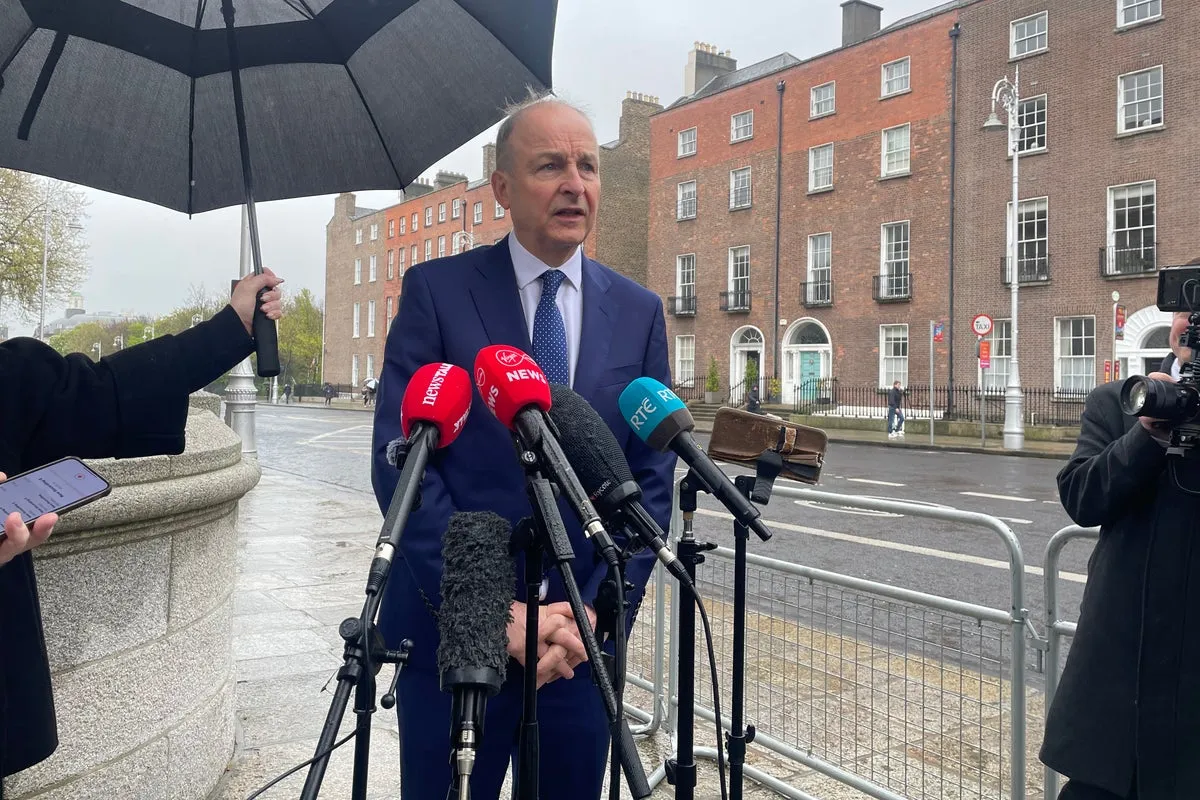
The Irish government has survived a vote of no confidence triggered by the main opposition party Sinn Fein, which challenged the coalition's handling of recent fuel protests, according to reporting by The Independent.
The motion brought by Sinn Fein forced a parliamentary vote that tested the stability of the ruling coalition. Opposition lawmakers argued the government had mishandled the protests, which centred on fuel costs and broader economic pressures facing Irish households and businesses.

The coalition ultimately held together enough support to defeat the motion, preserving its position in government. The vote reflects ongoing political tensions in Ireland over the cost of living, energy pricing, and the government's response to public demonstrations on those issues.
Background to the motion
Sinn Fein, which serves as the largest opposition force in the Dail, used the confidence mechanism as a tool to highlight what it described as an inadequate government response to the fuel protests. Such votes are among the sharpest instruments available to opposition parties in parliamentary democracies, as a successful motion would trigger the collapse of the government.

The fuel protests themselves reflect wider anxieties across Europe about energy costs, which have remained elevated in the aftermath of supply disruptions linked to the war in Ukraine and shifts in global energy markets.
Coalition holds
Despite the political pressure, the government secured enough votes to continue in office. The outcome demonstrates the coalition's ability to maintain internal discipline and sufficient parliamentary support, even amid public discontent over fuel prices and the cost of living more broadly.

Ireland's current coalition government is made up of Fianna Fail, Fine Gael, and the Green Party - three parties that have governed together since 2020. Their alliance has faced recurring challenges, including debates over housing, immigration, and now energy costs.
Sinn Fein has positioned itself as a leading critic of the coalition on economic issues, particularly those affecting working and middle-class households. The party has consistently polled strongly in recent years and is widely considered the main challenger in any future general election.
The failed confidence motion is unlikely to end the political debate over fuel costs and the government's policy approach, with opposition parties expected to continue pressing the issue in the months ahead.