For decades, the dream of a home robot that could actually help humans with real, meaningful tasks has been roughly as achievable as a flying car - promised constantly, delivered never. But according to a report from The Independent, a new generation of caregiving robots is quietly doing something remarkable: giving dementia patients a slice of independence back, while giving their burned-out caregivers a desperately needed breather.
Enter the robot with the most charming face in healthcare
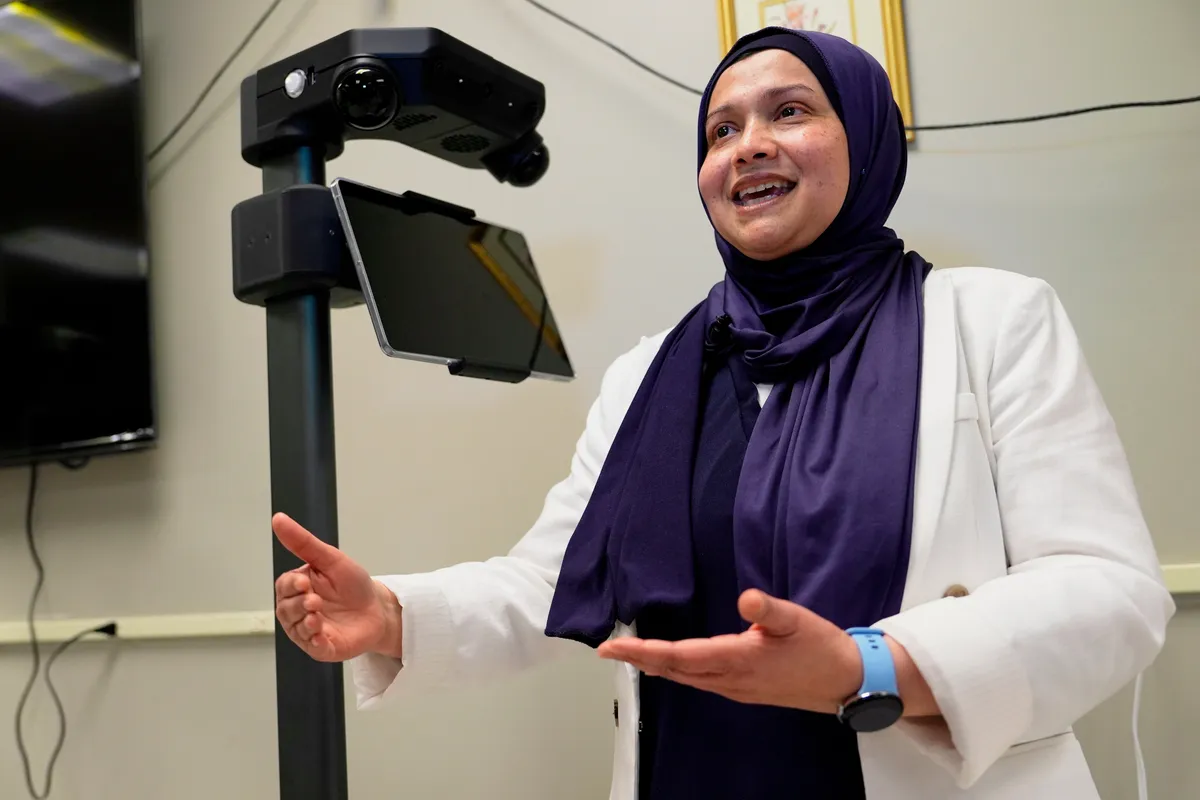
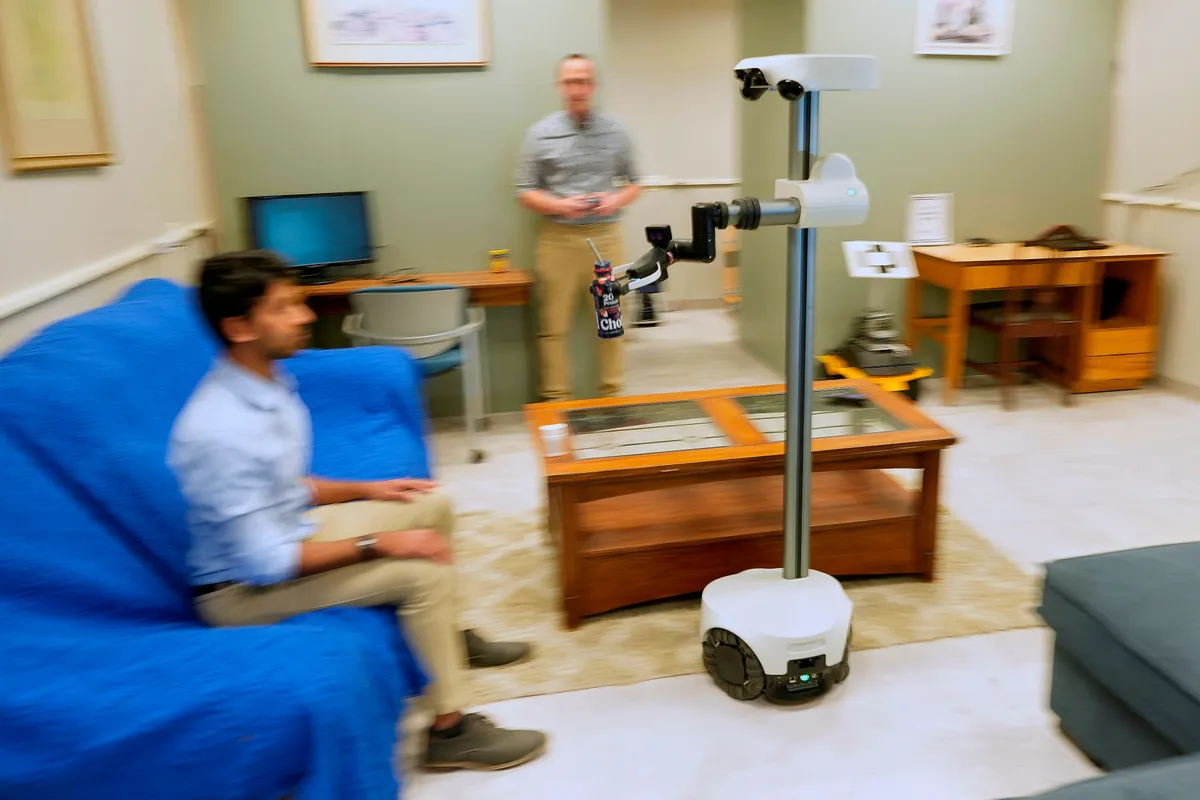
Researchers at the University of New Hampshire have been testing a robot caregiver that, yes, has googly eyes - and those eyes might actually be doing important work. The friendly, non-threatening aesthetic is deliberate. For patients with dementia, an intimidating humanoid machine could be alarming or confusing. Something that looks a little goofy and approachable? Much less so.
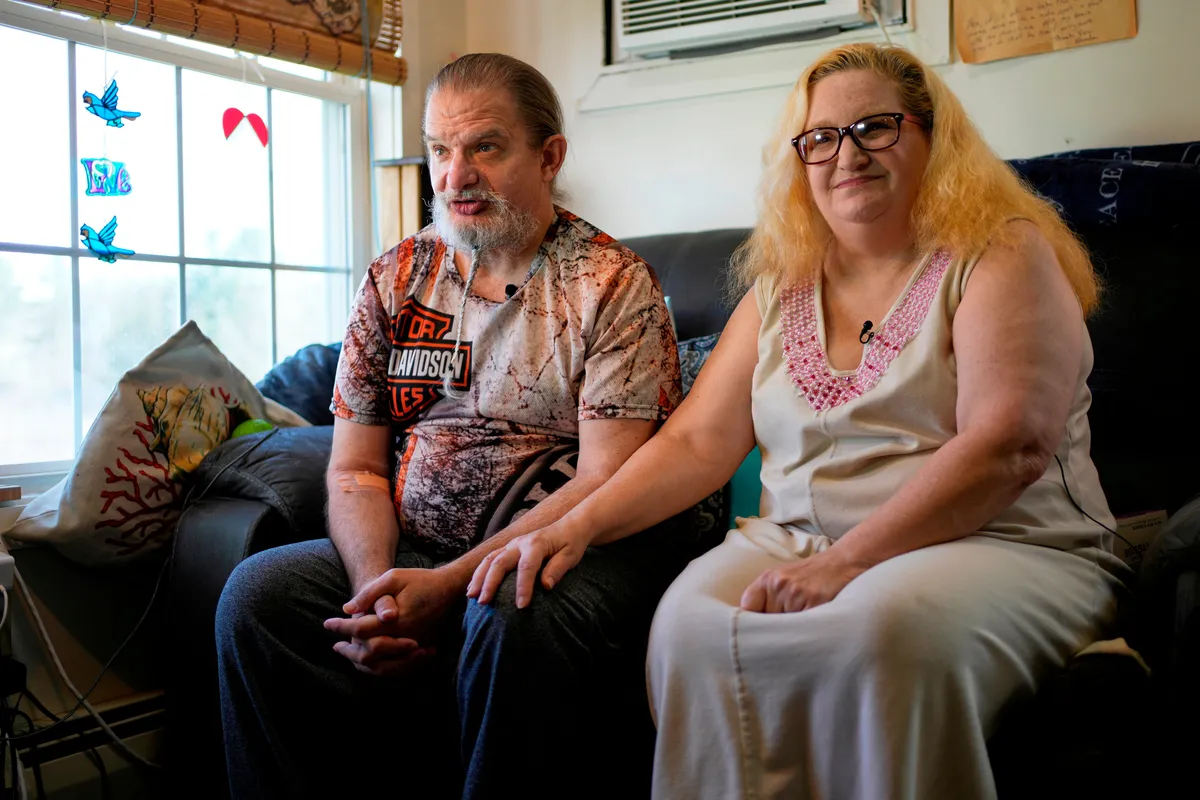
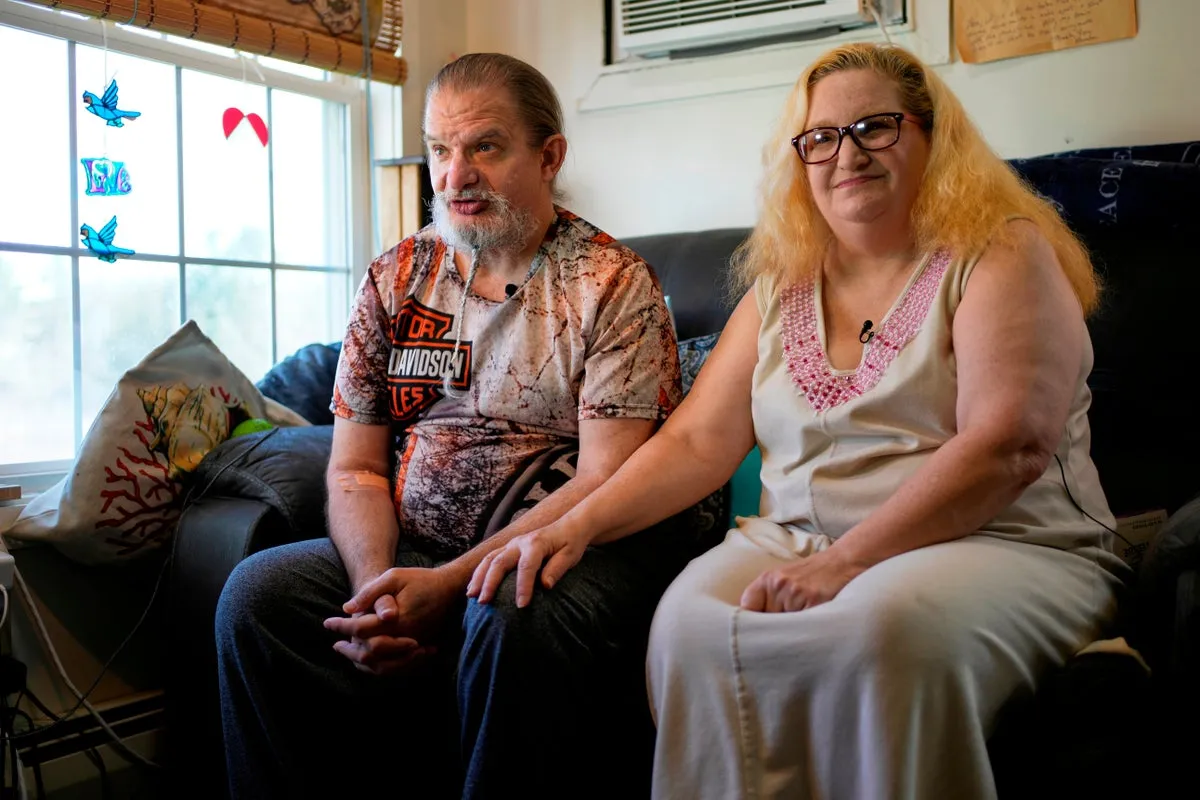
The robot, designed to assist with daily tasks and provide companionship-style monitoring, has reportedly allowed one dementia-stricken husband to move around his home more freely - something his wife, who serves as his primary caregiver, could not always safely enable on her own. The result: he gets dignity and mobility, she gets a moment to exhale. In caregiver terms, that is basically a miracle.
Why this matters way more than it sounds
Dementia caregiving is one of the most physically and emotionally grueling jobs a human being can take on - and most people doing it are unpaid family members running on fumes. Caregiver burnout is a genuine public health crisis. If a slightly goofy-looking robot with articulated arms can even partially offset that burden, the implications are enormous.
The broader race to build genuinely useful home robots - inspired by pop-culture fantasies like Rosie, the cheerful humanoid maid from The Jetsons - has historically produced more hype than results. But developers appear to be shifting strategy, targeting specific high-need use cases like elder care rather than trying to build an all-purpose domestic helper from scratch.
Not science fiction, not quite science fact - but getting warmer
To be clear, this is still early-stage research, not a product you can order online. The robot is not making complex medical decisions or replacing professional care. But as a proof-of-concept that robots can deliver real quality-of-life improvements for vulnerable people right now, it is genuinely exciting.
The dream of Rosie remains a dream. But a googly-eyed caregiving robot that lets a tired spouse sleep? That is starting to look a lot like progress.