European nations are examining whether they could help secure the Strait of Hormuz if a conflict between the United States and Iran were to disrupt one of the world's most critical shipping lanes, according to reporting by Foreign Policy. The discussion reflects growing anxiety in European capitals about energy security and the reliability of American commitments under the Trump administration.
The Strait of Hormuz, a narrow waterway between Iran and the Arabian Peninsula, serves as the transit point for roughly 20 percent of global oil supplies. Any sustained closure or disruption would send energy prices sharply higher and ripple through economies worldwide, including those of European nations still navigating post-pandemic and post-Ukraine economic pressures.
What Europe can offer militarily
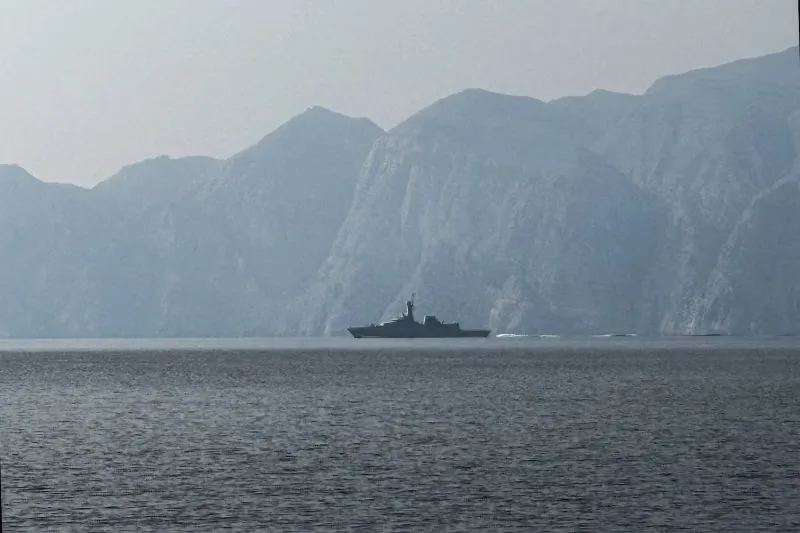
European countries, particularly France, possess meaningful naval assets that could theoretically contribute to a maritime security operation in the Gulf region. France maintains a permanent naval presence in the broader Middle East and has the logistical infrastructure to project force at a distance. Germany, despite its traditionally restrained defense posture, has also expanded its military commitments in recent years under pressure from allies.
However, Foreign Policy notes that European governments have shown little appetite for direct military confrontation, particularly in a theater so close to Iran's coastline and so far from European territorial waters. The political costs of being drawn into a U.S.-Iran conflict are seen as significant, especially given the divergence between European and American diplomatic approaches to Tehran.
The political obstacles
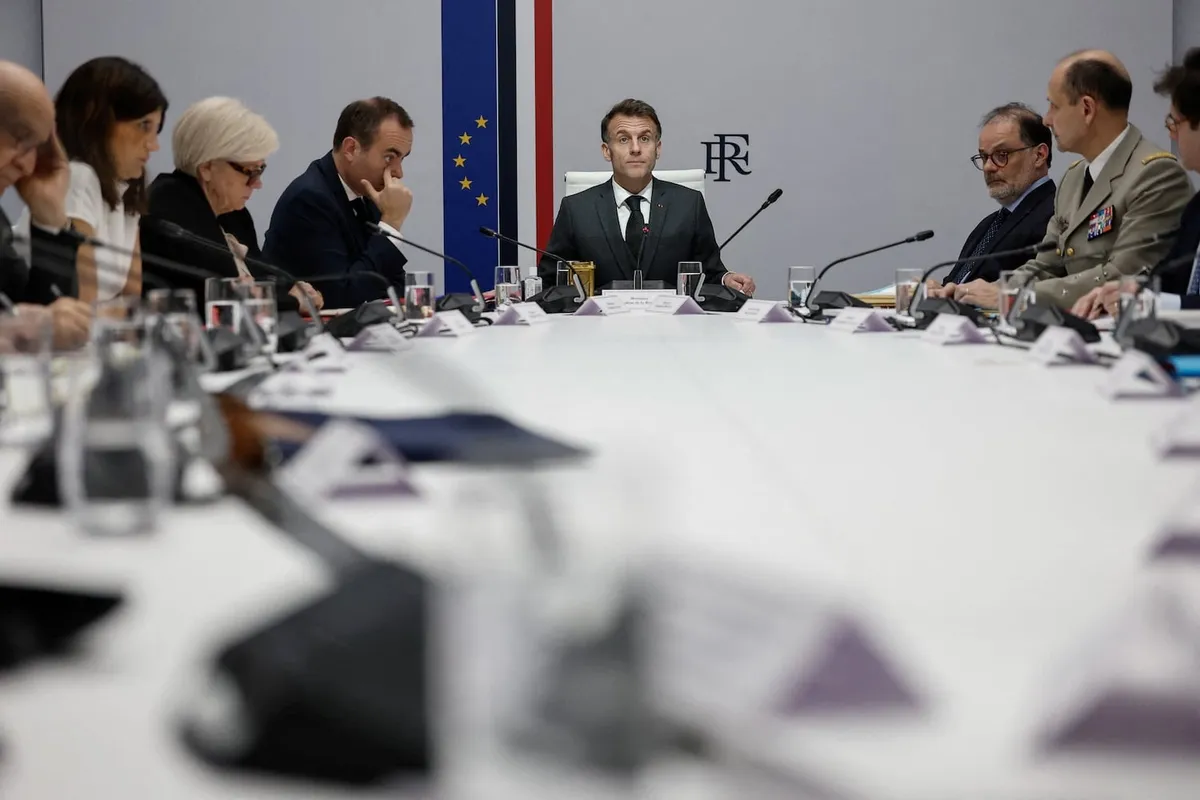
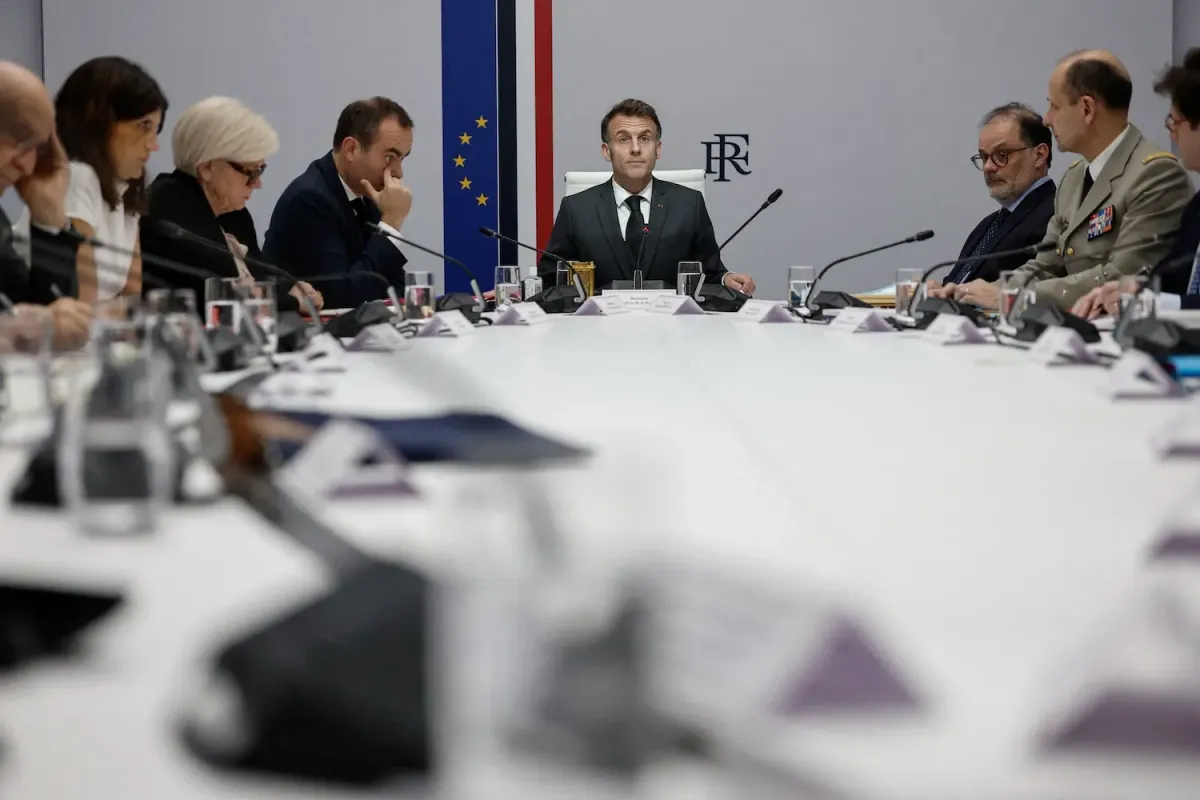
European leaders, including French President Emmanuel Macron, have historically sought to preserve diplomatic channels with Iran, viewing engagement as preferable to isolation. A military deployment in support of American operations could undermine those efforts and inflame domestic opposition in several member states.
The question also touches on the broader issue of European strategic autonomy - a concept Macron has championed but which has yet to be fully realized in terms of independent military capacity and political consensus. Acting in lockstep with Washington carries its own complications, given strained transatlantic relations under the current U.S. administration.
Energy stakes are high
Europe's vulnerability to a Hormuz disruption is not hypothetical. The continent has worked to diversify its energy sources since Russia's invasion of Ukraine, turning increasingly to liquefied natural gas, including supplies that transit through Gulf shipping routes. A prolonged closure of the strait would test those new supply chains under severe pressure.
Foreign Policy's analysis suggests that while Europe has the tools to play a stabilizing role in the region, the political will to use them remains the central obstacle. Bridging that gap between capability and commitment is likely to define European security debates in the months ahead.