If you thought Japan had enough going on with its aging population and geopolitical headaches, nature has decided to throw in a curveball: giant invasive toads that are, somehow, getting even more giant - and doing it way faster than anyone thought possible.
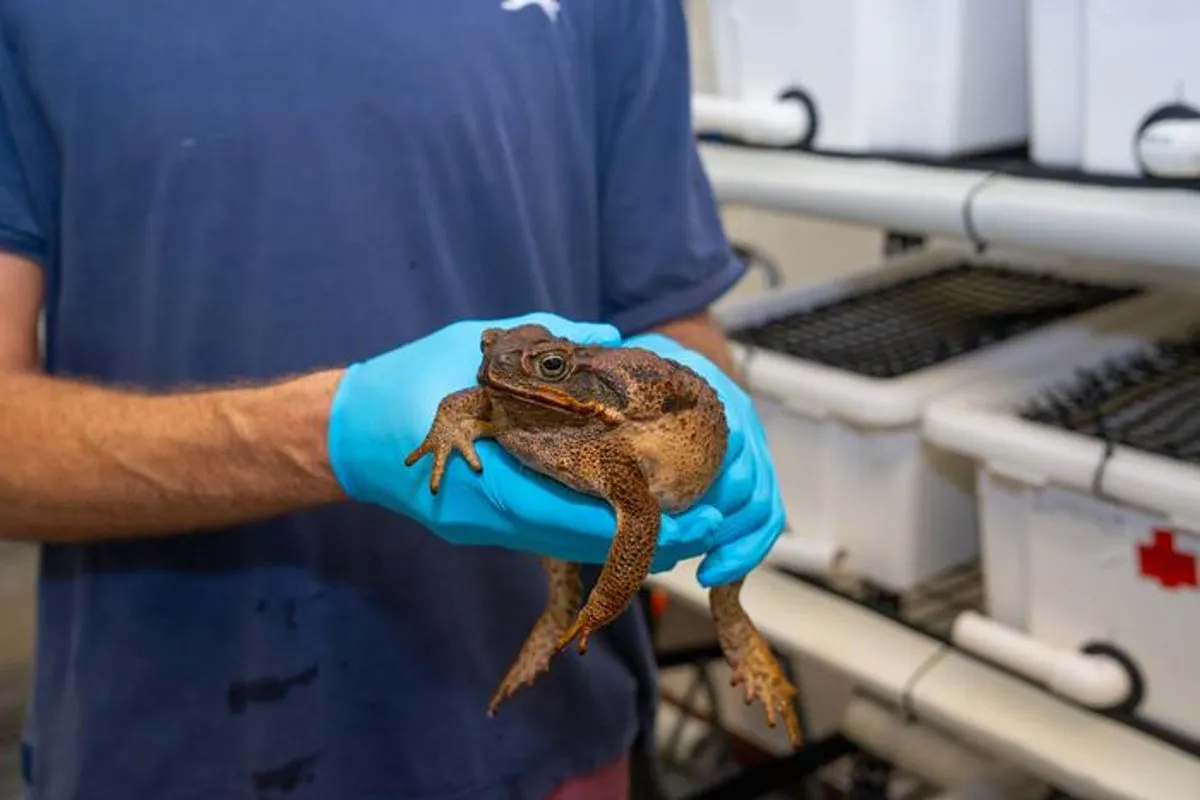
According to a report by The Independent, cane toads (the notorious Rhinella marina, originally from the Americas) that have colonized parts of Japan are rapidly increasing in body size. The kicker? Scientists have no solid explanation for why this is happening so quickly.

Wait, cane toads again?
If the name rings a bell, it's probably because cane toads are one of the most infamous invasive species disasters in history. Australia accidentally unleashed them in the 1930s to control sugarcane beetles, and they proceeded to absolutely wreck the local ecosystem - poisoning native predators, outcompeting local species, and generally being the ecological equivalent of that one guy who shows up uninvited to a party and eats all the food.
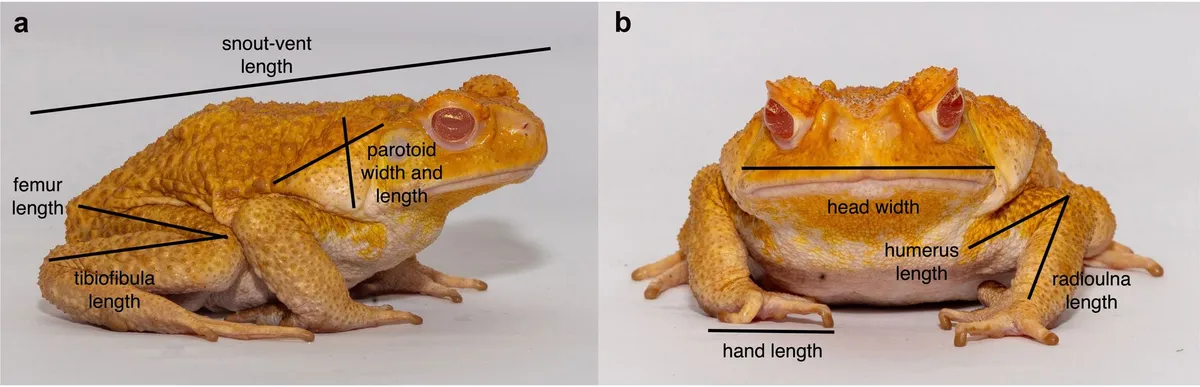
Japan's cane toad problem is more recent, and researchers studying the population are now observing something that is genuinely puzzling the scientific community: the toads are evolving larger body sizes at a pace that, according to the researchers cited by The Independent, challenges the conventional wisdom that meaningful evolutionary change is a glacially slow process spanning thousands of generations.
Evolution in the fast lane
The findings are significant beyond just being nightmare fuel for toad-phobes. The scientific consensus has long held that observable evolutionary shifts - especially morphological ones like body size - take enormous spans of time to manifest. These toads are apparently not reading the textbooks.
Researchers say this could point to rapid adaptive evolution at work, where strong environmental pressures are selecting for larger individuals at a speed that classical evolutionary theory didn't predict was possible in such a short timeframe. Whether it's food availability, predation dynamics, or something else entirely remains unclear - and that uncertainty is exactly what has scientists scratching their heads.
Why should you care?
Beyond the obvious "giant poisonous toads" headline material, this discovery has real implications for how we model invasive species threats. If invasive animals can evolve faster than we assumed, our predictions about how dangerous they'll become - and how hard they'll be to manage - could be fundamentally off. A bigger cane toad means more toxin, more appetite, and more ecological damage.
So next time someone tells you evolution takes millions of years, you can politely point them toward Japan's increasingly swole toad population. Nature, as always, didn't get the memo.