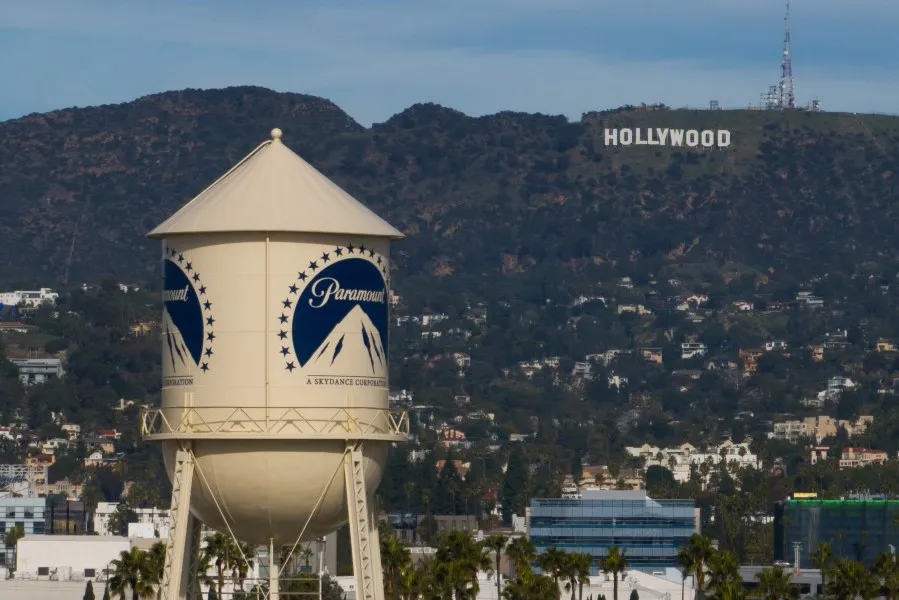
In a move that would make even the most jaded Hollywood executive drop their overpriced green juice, the board of Warner Bros. Discovery voted on Thursday to sell the company to Paramount - officially setting the stage for one of the biggest media mergers in recent memory, according to The Hill.
The vote, which came roughly two months after merger talks became public knowledge, clears a critical hurdle toward creating a media titan that would control a jaw-dropping slice of the world's entertainment, live sports, and news content. Think Batman, Looney Tunes, CNN, HBO, MTV, Nickelodeon, and the NFL all sitting awkwardly at the same Thanksgiving dinner table.
Why this is kind of a big deal
If this deal goes through, the combined company would become one of the largest entertainment providers on the planet. That means a single corporate entity would have its fingers in everything from prestige HBO dramas to SpongeBob SquarePants reruns - a range so vast it practically defies human comprehension.
For context, Warner Bros. Discovery already owns HBO, DC Studios, CNN, and the Warner Bros. film library. Paramount, meanwhile, brings CBS, MTV, Nickelodeon, BET, the Paramount+ streaming service, and one of the oldest film studios in Hollywood to the table. Combined, this isn't just a media company - it's basically a small cultural government.
The streaming wars just got weirder
This merger is happening against a backdrop of brutal pressure on legacy media companies. Streaming giants like Netflix and Disney+ have been eating traditional broadcasters alive, and both Warner Bros. Discovery and Paramount have struggled to find their footing in the new landscape. Paramount+ has had a rocky road, and Max (formerly HBO Max, formerly just HBO) has gone through more rebranding than a startup trying to find itself.
A combined entity could theoretically pool their content libraries, share infrastructure costs, and finally present a serious challenge to Netflix's dominance - or, alternatively, create a bureaucratic nightmare so tangled it collapses under its own weight. Hollywood history suggests both outcomes are equally plausible.
What happens next
The board vote is a significant milestone, but it is not the finish line. Regulatory approvals, shareholder votes, and the general chaos of merging two enormous corporate structures still lie ahead. Antitrust scrutiny, in particular, could throw a wrench into proceedings, given the sheer scale of combined market power involved.
For now, media watchers, investors, and anyone who has ever argued about whether DC or Paramount Pictures makes better movies should stay tuned. This one is going to be a very long episode.